

)
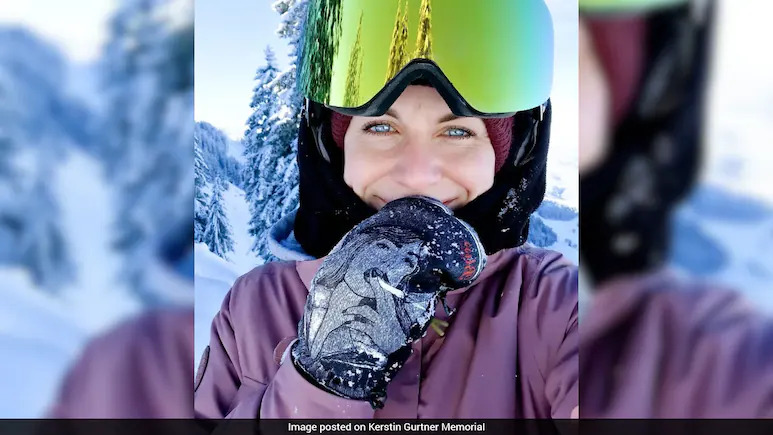
In a heartbreaking winter climbing tragedy, 33-year-old Kerstin Gurtner froze to death just below the summit of Grossglockner, Austria's highest peak, after allegedly being left "unprotected, exhausted and hypothermic" by her partner during a brutal climb in sub-zero conditions. Her death serves as a dire reminder that in extreme cold, the silent killer isn't a fall. It's the body's inability to hold on to heat. Hypothermia, when the body's core temperature drops dangerously low, impairs vital functions, often stealthily, making survival a race against time. Globally recognised medical and public-health organisations highlight that such cold-induced exposure injuries can develop even in less extreme conditions, if the body loses heat faster than it can generate it.
As winter grips the world and adventure tourism grows, understanding hypothermia, its causes, progression, and prevention, is crucial.
What Is Hypothermia And How Cold Kills
Hypothermia occurs when the body loses heat more quickly than it can produce it, leading the core temperature to fall below the normal range. Typically, medical definition flags hypothermia when core body temperature drops below 35 degrees C (95 degrees F).
As temperature falls, the body's protective mechanisms, shivering, constricting blood vessels near the skin, attempt to conserve heat. But if cold exposure continues, these defenses fail. At more severe levels, weakened cardiac output, slowed breathing, mental confusion or unconsciousness may follow, and death becomes a real risk.
When, Where, Who Is At Risk
Although often associated with freezing alpine climbs or icy water immersion, hypothermia can happen in far less extreme conditions too. Extended exposure to cold air, wet clothing, wind chill, or hanging around in inadequate shelter in cool temperatures are enough to trigger it.
Risk factors include:
- Exhaustion (which reduces body heat production)
- Dehydration
- Wet clothes
- Inadequate clothing or gear
- Being in a windy, cold, icy environment
In mountaineering or high-altitude climbing, like the fatal Grossglockner attempt, the combination of sub-zero temperatures, strong winds, delayed rescue, and inadequate insulation can prove lethal.
How Hypothermia Affects The Body: From Shivers To Shutdown
When exposed to cold environments for too long, the body progressively deteriorates:
- Initial response: Shivering begins, which is the body's effort to produce heat via muscle activity.
- Heat loss mechanisms accelerate: This happens through radiation, conduction (cold surfaces), convection (wind), and evaporation (if clothes are wet), especially dangerous in wind-chill and high-altitude scenarios.
- Core temperature decline: As heat is lost continuously, body's thermoregulation fails. When core temperature drops below 35 degrees C (95 degrees F), hypothermia sets in.
- Moderate to severe hypothermia: Shivering may stop, mental function becomes impaired, heart rate and breathing slow, coordination and consciousness decline.
- Critical danger stage: If core temperature falls further (especially below 32 degrees C), risk of arrhythmias, organ failure, coma and death rises sharply.
Because the decline can be gradual and disorienting, victims may not realize how dangerously cold they are, losing the ability to make rational choices, seek shelter or call for help. This silent progression makes hypothermia particularly insidious, especially during long climbs or in remote, windy and cold environments.
Prevention And What to Do: Cold Safety Essentials
Medical guidelines and survival experts stress that prevention and early response are key. Some essential steps:
- Dress appropriately in layers, use insulated, wind- and water-proof clothing; avoid damp or wet clothes.
- Carry emergency gear on hikes like insulated sleeping bags or bivouac sacks, blankets, wind-proof shelters. In high-altitude or cold treks, never rely only on light or recreational gear. The Grossglockner tragedy underlines how fatal it can be when such gear is ignored despite availability.
- Be alert to early signs like shivering, confusion, slurred speech, drowsiness, slowed breathing. These indicate the need for immediate warming and medical help.
- If someone becomes hypothermic, move them to a warm shelter, remove wet clothing, dry and cover them with warm blankets, and warm the core (chest, neck, head, groin) first. Provide warm (non-alcoholic) fluids if responsive, avoid rough handling, and seek professional medical help, even if the person seems asleep or unresponsive.
- Never underestimate cold, even on seemingly mild days. Cold wind, dampness, wet clothes or exhaustion can tip the balance toward hypothermia even when temperatures are not extreme.
The death of Kerstin Gurtner on Grossglockner is a tragic illustration of how hypothermia, the body's failure to retain core heat, can become lethal within hours. Her story is not just a cautionary tale for mountaineers and adventure travellers but a reminder for anyone exposed to harsh cold or wind: without proper protection, clothing, and timely action, the cold can kill silently.
Hypothermia remains one of the most preventable yet deadly cold-weather risks. Awareness of how the body reacts to cold, prompt recognition of early symptoms, and carrying appropriate gear can make the difference between survival and tragedy. As winter grips many regions, from alpine slopes to cold-wet plains, knowing cold safety, and acting on it, is vital for all.
Disclaimer: This content including advice provides generic information only. It is in no way a substitute for a qualified medical opinion. Always consult a specialist or your own doctor for more information. NDTV does not claim responsibility for this information.