

)
Rice is a staple food for millions of people, especially across Asia, but few realise that the way it is cooked and consumed can dramatically change how it affects the body. According to health experts, a simple shift in rice preparation can influence blood sugar levels, calorie intake, and overall metabolic health – turning the same grain into either a sugar-spiking food or a fibre-like one. A simple change in how rice is cooked can significantly alter its impact on blood sugar levels and overall health, according to health professionals, highlighting the science behind starch transformation. Although rice is a dietary staple for millions of people, particularly in Asia, how it is prepared determines whether it behaves more like a food high in fibre or sugar.
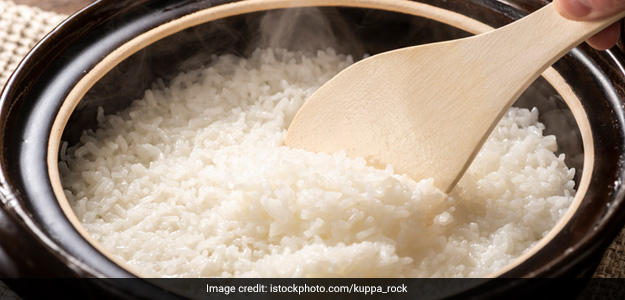
Rice is naturally high in starch, a carbohydrate that breaks down into glucose during digestion. The starch in freshly boiled rice remains in its most digestible form when consumed hot, meaning the body absorbs it rapidly, causing blood sugar levels to rise sharply.
In a recent Instagram video, nutritionist Deepsikha Jain explained a simple yet often overlooked concept: a plate of rice can act like sugar or like fibre, depending entirely on how it is served.
According to Jain, frequently consuming freshly cooked rice may lead to insulin spikes, increased caloric intake and long-term metabolic issues – particularly for individuals trying to manage their weight or those with diabetes or prediabetes.
“When you're freshly boiling and eating the rice it is very rich in starch that can actually create a very big sugar spike and also is heavier in calories that is not good for you,” she says in the video.
“How you cook the rice can make it sugar or fibre,” she writes in the caption, adding that rice has several health benefits, but only if it is consumed properly – that is, by cooling it first. “Don't eat fresh rice.”
However, Jain emphasises that rice itself is not harmful. The key lies in a simple technique: cooking and cooling the rice. According to her, the starch in rice undergoes a transformation after being cooked and cooled for 8 to 10 hours. During this cooling period, the digestible starch converts into what is known as resistant starch.
Resistant starch functions in the body similarly to dietary fibre. It is harder for the small intestine to break down compared to regular starch. As a result, it contains fewer calories than freshly cooked rice and does not cause a sudden spike in blood sugar levels.
“The starch gets converted into resistant starch which is a type of fibre that is good for your will not give you a sugar spike and has much lesser calories as compared to this,” Jain notes, adding that it supports better blood sugar control and promotes satiety.
“Now you decide if you want to eat sugar or fibre,” Jain says at the end of her video, urging rice consumers to rethink their cooking habits. She also encourages followers to share this advice, especially with those who believe that eating healthy means completely avoiding rice.
Disclaimer: This content including advice provides generic information only. It is in no way a substitute for a qualified medical opinion. Always consult a specialist or your doctor for more information. NDTV does not claim responsibility for this information.