

)
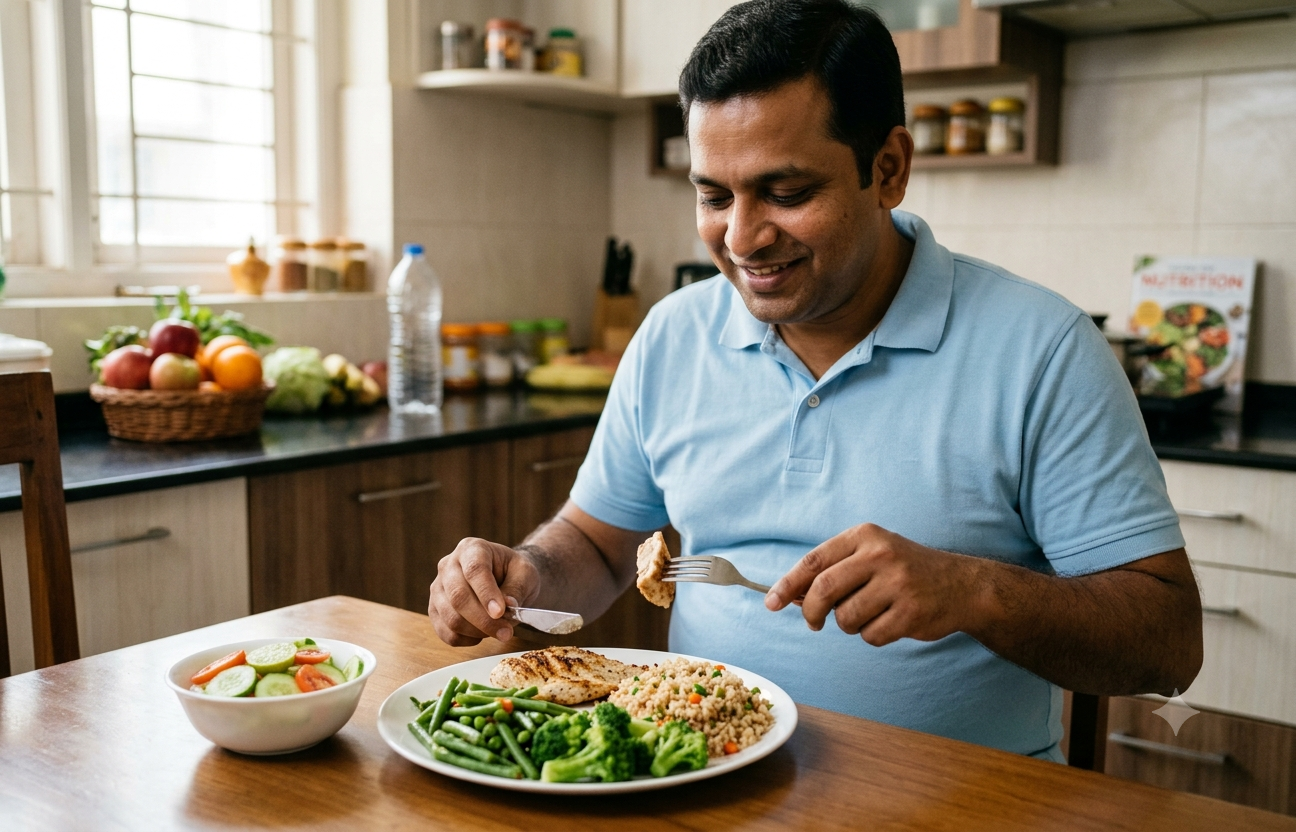
Many Indians suffer from losing upper belly fat, which is a kind of abdominal obesity that is linked to a higher risk of developing type 2 diabetes. The Indian Council of Medical Research (ICMR) study has found that obesity is common in India, and an estimated 150 million Indians suffer from it. This is why focusing on a daily diet is essential, as it is a leading contributor to obesity and increases the risk of chronic lifestyle diseases. Upper belly fat is a visible health concern that can be found in both urban and rural Indian populations and poses a major public health challenge, as it is linked to a high risk of diabetes, hypertension, and heart disease. The data from the National Family Health Survey 2019-2020 has flagged an obesity prevalence rate of 57.7%, posing a growing epidemic of obesity in the country.
What Causes Upper Belly Fat?
Upper belly fat is common among individuals who practise unhealthy dietary habits that can ruin their nutritional balance. ICMR has flagged the causes of upper belly fat that need to be changed if the public health concern about obesity is to be addressed.
Eating Too Many Ultra-Processed Foods
The intake of ultra-processed foods can change the gut microbiota and affect how the food is metabolised by the body. Gut health is impacted, along with nutritional absorption, which affects the overall nutritional balance in the body. Furthermore, fat storage in the upper belly area can happen due to visceral fat accumulation around the muscles of the stomach.
Excess Sugar And Refined Carbohydrates
The intake of excess amounts of sugar can spike blood sugar levels, and when this effect on health is combined with the intake of carbohydrates, then the accumulation of visceral fat happens too quickly. It deposits in the upper belly area, which is why your belly starts to become round.
Stress and Elevated Cortisol Levels
The Psychosom Medical Journal has pointed to the ability of high stress levels contributing to visceral fat deposition, and excess amounts of the stress hormone cortisol can also contribute to it.
Poor Sleep Habits
Research published in the JAMA network suggests that poor sleep health is linked to upper belly fat, as the hormones that influence appetite, regulate glucose metabolism, and maintain energy balance are affected.
Age-Related Changes in Metabolism
Research published in the International Journal of Body Composition Research suggests that as people age, fat tends to deposit away from the arms, legs, and hips and shift toward the belly area.
Can You Reduce Upper Belly Fat Through Diet Alone?
Yes, there are limitations to dietary changes that can reduce belly fat, but the effect is limited. Exercise needs to support dietary changes for sustainable reduction in belly fat. The maintenance of a calorie deficit that is dependent on your daily physical activity and dietary intake influences how much fat you can lose within a timeframe.
Diet Changes Doctors Recommend To Reduce Upper Belly Fat
The dietary changes that could reduce belly fat, as recommended by Dr Ananya Sharma, Clinical Nutritionist and Preventive Health Specialist, Apollo Hospital, and Dr Ritika Samaddar, Dietitian, Max Hospital, New Delhi, contain striking a nutritional balance for fat loss.
Increase Protein Intake
The daily protein intake needs to be increased by consuming a balanced portion size of these foods:
- Eggs
- Lentils
- Fish
- Greek yoghurt
The exact dose of protein needed for weight loss depends on the foods that you include in your diet on a daily basis to reduce belly fat.
Eat More Fibre-Rich Foods
Balancing the intake of soluble and insoluble fibre is necessary to lose upper belly fat, as it ensures proper digestive function. This fibre intake can be enhanced by increasing the intake of:
- Fruits
- Vegetables
- Whole grains
- Legumes
Cut Back On Added Sugar
The consumption of added sugars in your diet can ruin the blood glucose response after a food is eaten. These added sugars can be far greater than the body's requirements if you consume:
- Soft drinks
- Packaged juices
- Desserts
Choose Smart Carbohydrates
The intake of smart carbohydrates is necessary to achieve fullness and satisfaction from the meal that you consume, and you can do so by including these foods in your diet:
- Oats
- Millets
- Brown rice
- Quinoa
Include Healthy Fats
The diet for fat loss, which could reduce your upper belly fat, needs to include healthy fats that are present in such foods, whose quality and quantity need to be balanced. These healthy, fat-rich foods are as follows:
- Nuts
- Seeds
- Avocados
- Olive oil
Foods Doctors Suggest Limiting
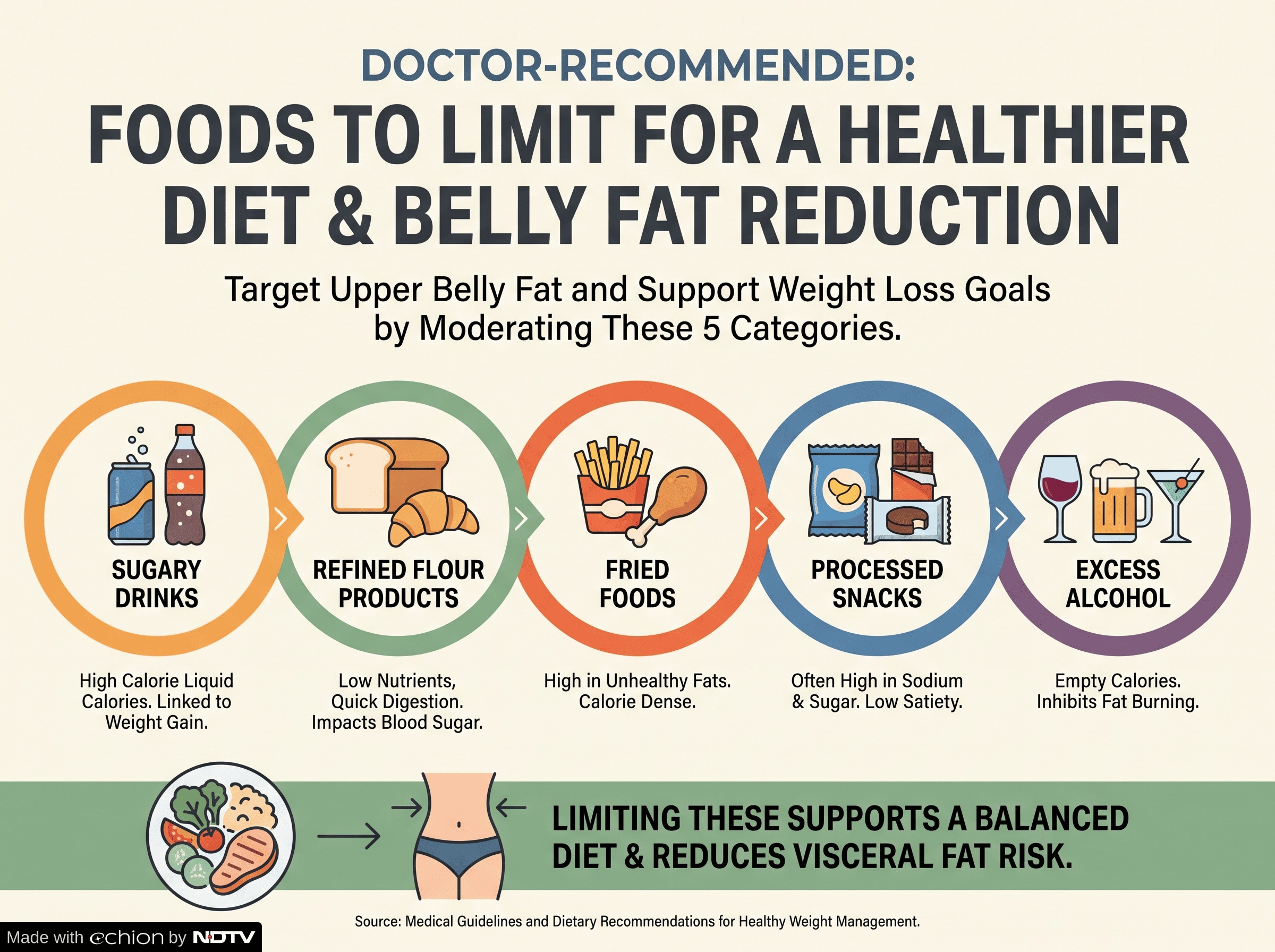
The intake of certain foods needs to be limited as part of a healthy diet that could reduce fat loss and aid in reducing upper belly fat.
- Sugary drinks
- Refined flour products
- Fried foods
- Processed snacks
- Excess alcohol
Eating Habits That May Help Shrink Belly Fat
In order to reduce upper belly fat, you need to follow these eating habits that can help in reducing the amount of visceral fat. These habits should include:
- Avoid late-night overeating
- Control portion sizes
- Stay hydrated
- Eat mindfully
- Don't skip protein at breakfast
When Should You See A Doctor?
To reduce upper belly fat if the visible fat deposition is too much, then you need to seek a doctor for medical guidance to lose weight. If you experience these signs, then you need to seek a doctor's consultation:
- Sudden weight gain
- Hormonal issues
- PMOS
- Thyroid disorders
- Menopause-related changes
The causes of belly fat can be many, but to reduce your upper belly fat, you need to practise healthy habits that could reduce your visceral fat deposition.
Disclaimer: This content including advice provides generic information only. It is in no way a substitute for a qualified medical opinion. Always consult a specialist or your own doctor for more information. NDTV does not claim responsibility for this information.