

The Food Safety and Standards Authority of India (FSSAI) has proposed to prohibit the addition of sucrose and fructose to foods for infants up to six months of age. This proposed restriction aims to control early exposure to added sugars, which is linked to childhood obesity and related health problems. You must have come across the terms sucrose, glucose and fructose. While they are all sugars, your body absorbs them differently. Whether they occur naturally in foods or are added to them also makes a big difference in how they affect your health.
Sucrose vs Glucose vs Fructose
If you're trying to cut back on sugar, it is important to know the different types of sugar. Sucrose, glucose, and fructose have slightly different effects on the body.
Sucrose, glucose, and fructose are three varieties of sugar that have the same calorie content when measured by weight. They can naturally be found in fruits, vegetables, dairy products, and grains, but are also commonly included in many processed foods. They differ in their chemical structures, the way your body digests and metabolises them, and how they affect your health.
Sucrose
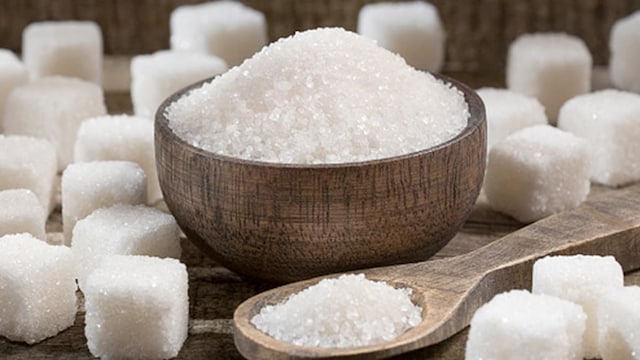
Sucrose, or table sugar, is a disaccharide made up of one glucose and one fructose molecule. It is found naturally in many fruits, vegetables, and grains, and is also added to processed foods like candy, ice cream, breakfast cereals, canned foods, soda, and other sweetened beverages. Sucrose is typically extracted from sugar cane or sugar beets and has a sweetness level that is less than fructose but sweeter than glucose.
Glucose
Glucose is a monosaccharide and the body's preferred source of carbohydrate-based energy. It consists of a single unit of sugar, making it indivisible into simpler compounds, and serves as a building block for carbohydrates. In foods, glucose is commonly found bound to other sugars, forming polysaccharides or disaccharides like starches, sucrose, and lactose. It is often added to processed foods as dextrose, derived from corn or wheat, and is less sweet than fructose and sucrose.
Fructose
Fructose, known as "fruit sugar," is a monosaccharide found in fruits, honey, agave, and root vegetables. It is often added to processed foods as high fructose corn syrup, which is derived from cornstarch and contains more fructose than glucose. Among sugars, fructose is the sweetest but has the least effect on blood sugar levels.
READ | Does Eating Sugar Cause Diabetes? Gastroenterologist Separates Fact From Fiction
Sources
- Glucose is found in various foods, especially in carbohydrates like bread, rice, and vegetables. It can also be produced by the body through gluconeogenesis.
- Fructose is naturally present in fruits, honey, and root vegetables. It is commonly added to processed foods in the form of high-fructose corn syrup.
- Sucrose is found in many plants, especially in sugar cane, sugar beets, and some fruits.
READ | Double Diabetes: Is It More Dangerous? Early Warning Signs, Risk Factors And How To Reduce Your Risk
Health implications:
Glucose is essential for energy, but excessive intake can lead to elevated blood sugar levels, insulin resistance and eventually type-2 diabetes. When you eat glucose, it is absorbed directly through the lining of the small intestine into the bloodstream. This immediately raises blood glucose levels, triggering the pancreas to release insulin.
Fructose is safe in moderation, but excessive consumption can cause fatty liver disease and metabolic disorders. Unlike glucose, fructose cannot be used by cells for immediate energy. While fructose from whole fruits is healthy due to its fibre content, refined fructose (like High-Fructose Corn Syrup) can overwhelm the liver, leading to fat production. This excess can result in Non-Alcoholic Fatty Liver Disease (NAFLD), elevated triglycerides, increased belly fat, and cardiovascular problems.
Sucrose, while tasty, can contribute to obesity, tooth decay, and increased risk of chronic diseases if consumed in high amounts. Before your body can use sucrose, an enzyme in the small intestine must split it apart into individual glucose and fructose molecules. Once split, the glucose spikes blood sugar and triggers insulin, while the fructose goes directly to the liver to be processed. This dual action delivers a simultaneous dose of both sugars from excess sucrose consumption.
Overall, to ensure a healthy diet, eat whole foods whenever possible and save added sugars for the occasional special treat.
Disclaimer: This content including advice provides generic information only. It is in no way a substitute for a qualified medical opinion. Always consult a specialist or your own doctor for more information. NDTV does not claim responsibility for this information.