

Ultra-processed foods (UPFs) pose severe dangers to human health, significantly increasing the risk of chronic conditions like obesity, heart disease, type 2 diabetes, and all-cause mortality. These foods undergo extensive processing to make them hyper-palatable. During this process, they are stripped of natural nutrients, becoming calorie-dense and structurally unstable. Despite these negative effects on health, dependence on ultra-processed foods has significantly spiked over the past few years.
A growing body of evidence, including studies published in The BMJ and Frontiers in Nutrition, demonstrates a direct link between high UPF consumption and an increased risk of colorectal cancer (CRC). Research shows that for every 10% increase in the proportion of UPFs in a person's diet, the risk of colorectal cancer rises by 4%.
Dr. Vartika Vishwani, an oncologist, has also mentioned in an Instagram post that "eating more ultra-processed foods may be associated with a higher risk of colorectal cancer."
Ultra-processed foods to avoid
In an Instagram post, Dr. Vishwani has listed 7 ultra-processed foods you should avoid.
"Ultra-processed foods linked to colorectal cancer. So, what foods should you avoid?" she wrote in the post.
"Many of these foods are high in added sugar, salt, unhealthy fats, and refined ingredients, while being low in fibre. A low-fibre diet can affect bowel function and gut health over time," she wrote.
1. Cheese slices or spreads
They are often high in sodium, preservatives, and unhealthy fats. Unlike natural, minimally processed cheese, industrial cheese slices and spreads rely heavily on food additive emulsifiers to remain smooth and meltable.
Healthy swap: Plain paneer
2. Flavoured instant oats
Instant oats typically contain added sugars and preservatives. The rapid processing can lead to a higher glycemic index, causing quicker spikes in blood sugar.
Healthy swap: Plain oats- steel-cut or rolled oats
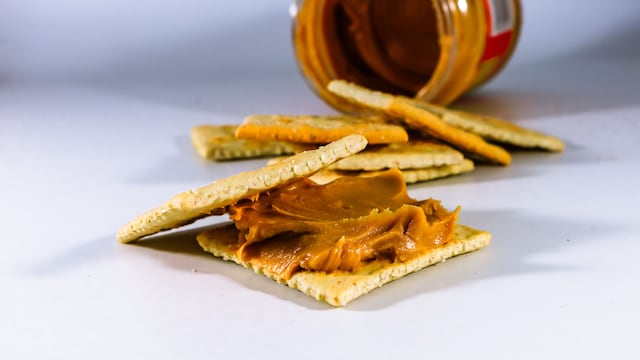
3. Commercial flavoured peanut butter
These often have added sugars and oils that can undermine health benefits. Regular intake can lead to weight gain, elevated systemic inflammation, and increased sugar consumption.
Healthy swap: 100% peanut butter
4. Flavoured yogurt
It typically contains sugars and artificial flavours that can contribute to excess calorie intake and may lead to weight gain. High sugar intake contributes to insulin spikes, systemic low-grade inflammation, and a displaced appetite for whole, nutrient-dense foods.
Healthy swap: Dahi
5. 3-in-1 premix coffee
A typical 3-in-1 packet is predominantly made of refined sugar and non-dairy creamer, which relies on hydrogenated oils, corn syrup solids, and chemical stabilisers rather than pure coffee.
Healthy swap: 100% coffee
6. Flavoured milk
Similar to flavoured yogurt, the primary issue is the sheer volume of added sugars and industrial stabilisers used to keep flavours suspended. Regular consumption can lead to gastrointestinal distress, bloating, and elevated blood glucose levels.
Healthy swap: Plain milk
7. Packaged, ready-to-eat parathas and veggies
To achieve a long shelf life, these products are treated with heavy preservatives, chemical texturizers, and cheap industrial oils. In ready-to-eat veggies, the industrial processing often strips away the natural cellular structure of the fibre.
Healthy swap: Fresh vegetables or plain frozen vegetables
"This does not mean you need to avoid every packaged food," Dr. Vishwani adds.
She recommends adding these to your diet:
- Vegetables and fruits
- Whole grains
- Beans and lentils
- Nuts and seeds
- Minimally processed foods
"Your overall eating pattern matters more than one food," she concludes.
In general, opting for less processed foods can lead to a healthier diet and help maintain overall well-being. Prioritising whole, natural foods tends to provide better nutrition and supports long-term health goals.
Disclaimer: This content including advice provides generic information only. It is in no way a substitute for a qualified medical opinion. Always consult a specialist or your own doctor for more information. NDTV does not claim responsibility for this information.