

Indian consumers are becoming increasingly conscious of nutrition, but a new study reveals a significant gap between what people know about protein and fibre and what they actually consume. Titled 'The State of Protein & Fibre in Urban India', the study by PepsiCo India, in association with Euromonitor International and the Indian Institute of Millets Research (IIMR), explores how urban Indian consumers understand and consume protein and fibre, their breakfast and lifestyle habits, and the barriers that influence everyday food choices. The study surveyed 1,250 consumers aged 18-50 across Delhi, Mumbai, Bengaluru, Kolkata, and Kochi.
70% of respondents consume less than 41g of protein. 61% consume less than recommended daily fibre levels. While 74% say they are aware of their daily protein requirement, 56% are misinformed about how much they actually need.
What do Indians want?
Nearly 9 in 10 consumers want adding protein to their diets to feel easier and more natural. 89% want protein to be available in familiar, everyday food formats.
Nutrition Ignorance
The findings highlight a clear nutrition knowledge gap. While nearly three-quarters of consumers say they know their daily protein requirement, more than half are unable to accurately identify it. The gap is even more pronounced for fibre: although 59% claim to know their daily fibre requirement, only 11% can accurately identify the recommended intake.
This suggests that simply increasing awareness may not be enough. Consumers also need clear, credible, and practical information that can help them translate nutrition knowledge into everyday food choices. The study points to a growing preference for nutrition solutions that fit seamlessly into familiar meals and routines, bringing industry, nutrition, and public health together.
READ | Fibre Or Protein: Which Should You Prioritise For Satiety And Fat Loss?
But what are the reasons why protein-rich foods remain a key barrier?
Cost, says the survey. 60% cite the high cost of protein-rich foods as a key barrier. Many also cite a lack of convenient and credible protein-focused food options.
"The real opportunity is to democratise protein and fibre by making it more accessible & affordable. The study shows that while awareness around protein and fibre is high, cost, convenience and the availability of familiar formats continue to be barriers for consumers. At PepsiCo India, our focus is on understanding these evolving needs and bring innovations to consumers that can bridge this gap between awareness & adoption," says Saakshi Verma Menon, Chief Marketing Officer - Foods, PepsiCo India.
"We are obsessing about protein. Protein consumption has become like a trend and that is where it goes grey. Human body works in a certain system. The important thing is to fuel the human body with the right nutrients and not isolated protein. The major problem with the protein story is that it has gotten down to just products," says Dr. Manjari Chandra, Functional Nutritionist, Everhope Cancer Centre.
READ | The Indian Diabetes Challenge: Why You Need To Look Beyond Sugar And Oils
Protein supplements are not necessary. To say they are for everyone is an exercise in perception building for brands selling them, says Dr. Chandra.
"25 years ago, the only people who needed protein supplements were really sick people..." adds Dr. Chandra.
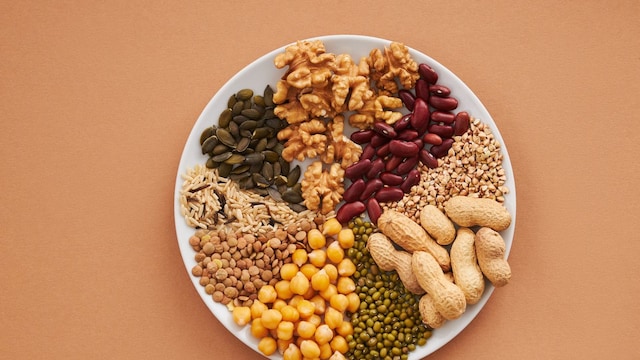
Protein can be found in the foods we eat. The problem, she adds, is the way the thali is structured. For vegetarians, protein sources can range from lentils to tofu and paneer, not just dal. "Beans, nuts, seeds, and drumsticks, a whole lot of stuff has to be added to the diet," she says.
Fibre: Ignorance Is Not Bliss
For fibre, the knowledge gap is even wider: 89% are misinformed about their daily requirement.
69% say a lack of convenient, credible fibre-focused options makes it harder to consume enough fibre. For fibre, access to the right options is an even bigger barrier.
Another problem is that it has to be eaten in large quantities to gain maximum benefits, says Dr. Manjari Chandra. "Eating two slices of cucumber won't give you your fibre," she says. "But adding rich sources of fibre into your daily diet will help."
Psyllium Husk (Isabgol) isn't for everyone, she adds, while reiterating that those prone to constipation can have it. "It has got other benefits as well, like controlling your weight... In that sense, it's a good addition to your diet," she says.
Disclaimer: This content including advice provides generic information only. It is in no way a substitute for a qualified medical opinion. Always consult a specialist or your own doctor for more information. NDTV does not claim responsibility for this information.