

)
Diabetes has become increasingly common. It has transitioned from a relatively rare condition to a global epidemic over the years due to various factors, including rising obesity rates, sedentary lifestyles, and an ageing population. As more individuals adopt unhealthy eating patterns and exhibit less physical activity, the prevalence of Type 2 diabetes specifically has escalated. Additionally, genetic predisposition and environmental factors, such as diet and activity levels, contribute to this trend.
Symptoms of diabetes can include increased thirst, frequent urination, extreme fatigue, blurred vision, slow healing of wounds, unexpected weight loss, and tingling in the hands and feet. If you are experiencing any of these symptoms, it is important to get tested for timely treatment.
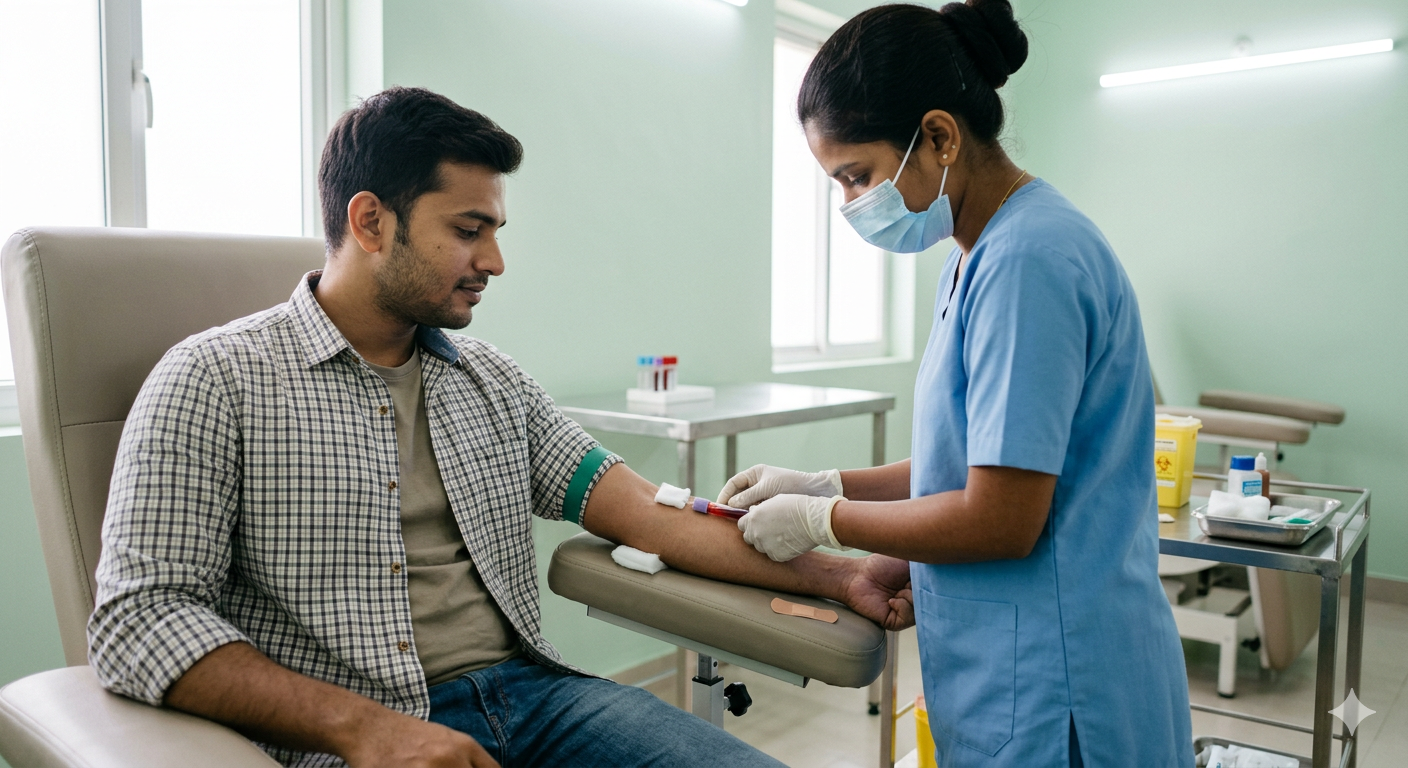
Diabetes is typically diagnosed through tests that measure blood sugar levels, with HbA1c and fasting plasma glucose (FPG) being the most common. There has been ongoing discussion regarding the best test for diabetes diagnosis. NDTV spoke to Dr. Rajeev Bansal, Senior Director - Internal Medicine, Max Super Speciality Hospital, Patparganj, to clarify the major differences between HbA1c and FPG and to determine which one is better for accurate diagnosis.
HbA1c Vs fasting plasma glucose
"Both HbA1c and fasting plasma glucose (FPG) are valid diagnostic tools for diabetes. HbA1c provides a 2-3 month average of blood sugar levels and is unaffected by acute stress, while FPG measures immediate blood sugar levels. HbA1c is preferred for convenience since it does not require fasting and is useful for monitoring, while FPG may be better for detecting early-stage diabetes lasting less than three months," explains Dr. Bansal.
Both the HbA1c and FPG tests are effective for diagnosing diabetes. Doctors often use them together to get a complete picture of your health.
Dr. Bansal further explained the pros and cons of both tests:
HbA1c (Glycated Hemoglobin)
- Pros: Measures average blood glucose over 3 months. No fasting required, making it more convenient. Unaffected by short-term lifestyle changes like diet and levels of physical activity.
- Cons: Less sensitive than FPG in early diabetes detection, particularly if diabetes is less than 3 months old. It can give inaccurate results in people with specific blood disorders like anemia.
- Diagnostic threshold: 6.5% or higher.
Fasting Plasma Glucose (FPG)
- Pros: It is highly accurate for current, immediate blood sugar levels. More sensitive to the early detection of Type 2 Diabetes.
- Cons: Requires an 8-hour fast. Several factors can affect the result, including acute stress or illness.
- Diagnostic threshold: 126 mg/dL or higher.
Key considerations
The choice of test often depends on individual needs and medical history. "For the best assessment, a doctor should use both tests together," Dr. Bansal advises.
- HbA1c is preferred for convenience and long-term insight. It is highly stable. However, it may be less accurate in people with anemia, kidney disease, or certain hemoglobin variants.
- FPG is often more sensitive for initial diagnosis. Some studies suggest FPG may be better at correctly identifying individuals who actually have diabetes (higher specificity), while the American Diabetes Association (ADA) notes it is more affordable for routine screening.
- A combined approach is the most reliable, as the two tests measure different aspects of blood sugar regulation.
According to ADA guidelines, if a person meets the criteria for one test but not the other, the diagnosis is made based on the positive result from either test.
(Dr Rajeev Bansal, Senior Director - Internal Medicine, Max Super Speciality Hospital, Patparganj)
Disclaimer: This content including advice provides generic information only. It is in no way a substitute for a qualified medical opinion. Always consult a specialist or your own doctor for more information. NDTV does not claim responsibility for this information.