

)
Health authorities in Ghaziabad have issued a fresh alert after confirming three new cases of scrub typhus in the district. The cases were detected in rural Patla (Muradnagar), Anil Vihar, and Khoda Colony, marking the re-emergence of the vector-borne bacterial disease in the region. With monsoon-related stagnant water and dense vegetation creating ideal breeding conditions for vector pests, public health units across Uttar Pradesh have deployed rapid response teams and initiated door-to-door surveillance through Accredited Social Health Activists (ASHA) and Auxiliary Nurse Midwives (ANM) to help prevent a wider outbreak. Here is everything you need to know about what scrub typhus is, how it spreads, and the steps you can take to keep your family safe.
What Is Scrub Typhus?
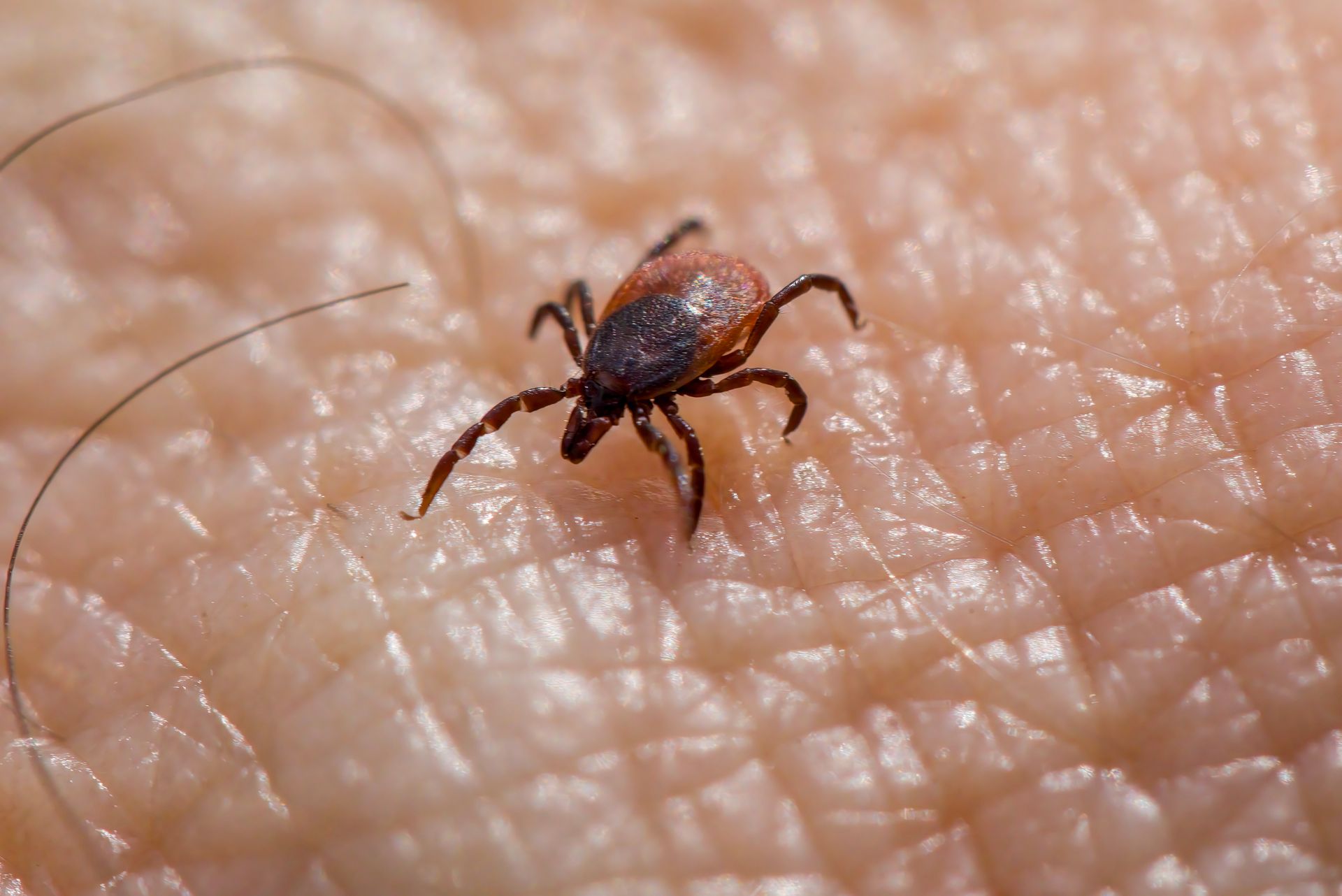
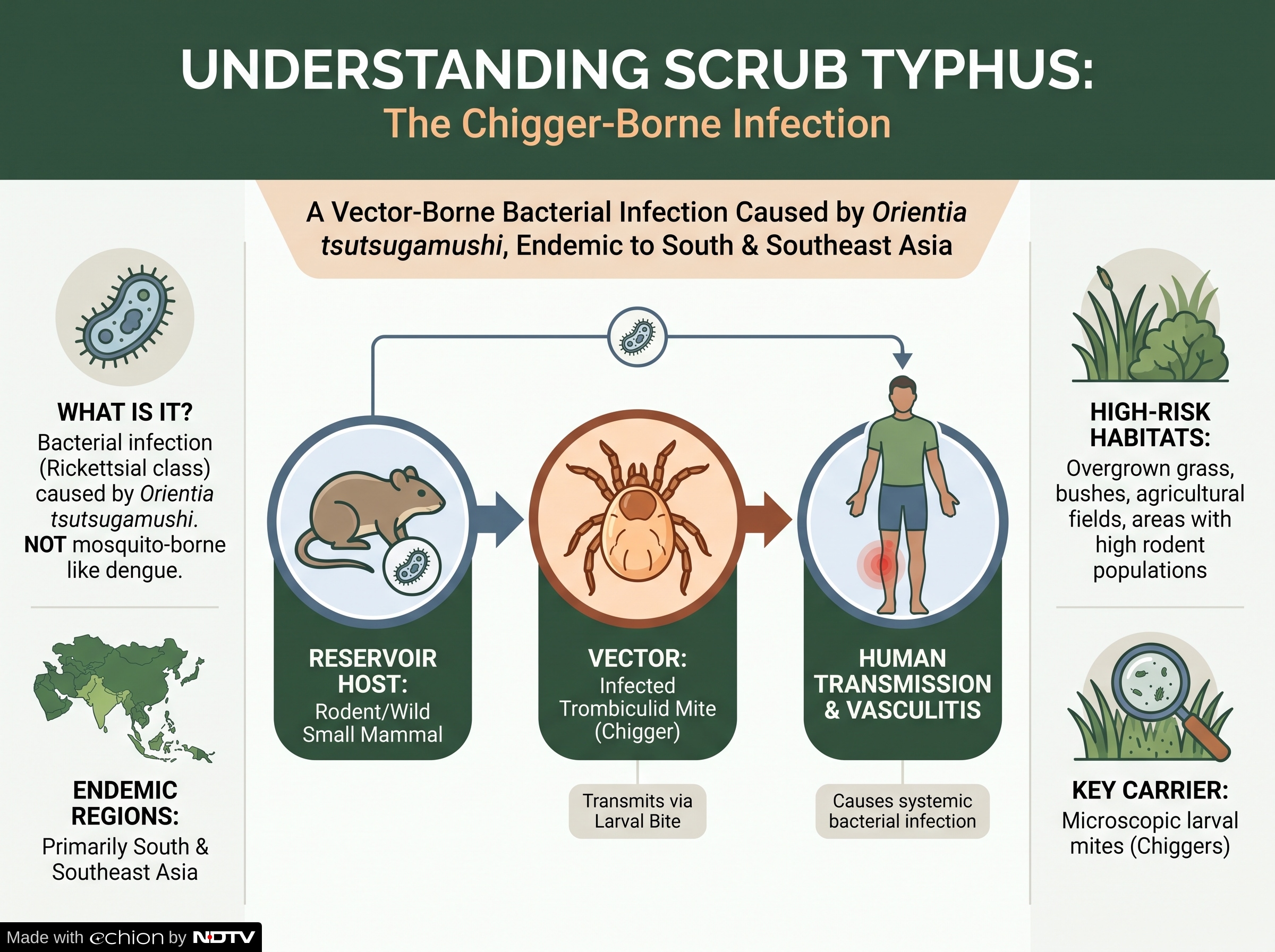
Scrub typhus is a vector-borne bacterial infection caused by Orientia tsutsugamushi. It belongs to the rickettsial class of diseases and is commonly found in regions across South and Southeast Asia. Unlike mosquito-borne diseases like dengue or malaria, scrub typhus is transmitted to humans through the bite of microscopic larval trombiculid mites, commonly known as chiggers. These mites typically thrive in overgrown grass, bushes, agricultural fields, and areas with high rodent populations, which act as primary reservoir hosts.
Symptoms To Watch Out For
Dr Neha Gupta, Fortis Healthcare, Senior Consultant, Infectious Diseases, Fortis Memorial Research Institute (Gurgaon) and a part of the Clinical Infectious Diseases Society of India (CIDS), shares this about the early clinical signs and the dark "eschar" mark:
"Scrub typhus is often underdiagnosed because its initial symptoms mirror common monsoon fevers like dengue or malaria. The hallmark sign clinicians look for is the 'eschar,' which is a black, necrotic scab at the site of the mite bite.”
Symptoms typically appear within 6 to 21 days following an exposure. Early detection is critical, as untreated cases can progress to severe multi-organ complications.
- The "Eschar" Mark: A signature indicator present in many patients is an eschar, which is a small, painless, dark, scab-like ulcer with a cigarette-burn appearance at the bite site. It is frequently found in dark or warm skin folds such as the armpits, groin, waistline, or neck.
- High-Grade Fever and Chills: Sudden onset of severe, spiking fever accompanied by body rigours.
- Severe Headaches and Muscle Aches: Intense myalgia (muscle pain), joint stiffness, and persistent frontal headache.
- Maculopapular Rash: A red, non-itchy rash that often starts on the trunk and spreads outward to the limbs.
- Gastrointestinal and Systemic Distress: Nausea, vomiting, abdominal pain, enlarged lymph nodes, and generalised weakness.
In advanced or untreated cases, the bacteria induce widespread blood vessel inflammation (vasculitis), which can lead to acute respiratory distress syndrome (ARDS), meningoencephalitis, kidney injury, or multi-organ dysfunction.
Diagnosis and Treatment
Scrub typhus responds well to medical intervention when caught early. Here is the current diagnosis and treatment facility available for the infection. Dr Neha Gupta adds, "Because it is painless, patients rarely notice it, making a thorough physical examination critical. Treatment with doxycycline should be initiated based on strong clinical suspicion without waiting for laboratory confirmation, as early empirical treatment prevents progression to multi-organ failure."
- First-Line Therapy: The World Health Organization (WHO) and standard medical guidelines recommend oral doxycycline as the primary antibiotic treatment for patients of all ages.
- Alternatives like azithromycin are frequently prescribed for pregnant individuals.
- Testing: Molecular tests such as Polymerase Chain Reaction (PCR) are used to confirm diagnosis.
However, clinicians strongly advise starting empirical antibiotic treatment immediately upon suspecting the infection based on clinical symptoms and an eschar, rather than waiting for laboratory verification.
Preventive Measures to Avoid the Infection
Because there is currently no commercially available vaccine for scrub typhus, prevention relies on avoiding vector exposure:
1. Cover Exposed Skin: Wear full-sleeved shirts, long trousers, and closed footwear when visiting parks, farms, or overgrown grassy environments.
2. Use Insect Repellents: Apply repellents containing DEET or picaridin to exposed skin and clothing to deter chiggers.
3. Clear Vegetation: Keep domestic lawns mowed and trim dense bushes or weeds around residential properties to minimise vector habitats.
4. Control Rodent Populations: Store food securely and maintain clean surroundings to keep rodents away from living areas.
5. Hygiene Post-Outdoor Activity: Wash clothes in hot water and bathe thoroughly after working or walking in bushy or forested terrains.
The current cases of scrub typhus are a reminder that paying attention to what your body is trying to tell you is important. You need to notice the signs and seek timely medical help for diagnosis and treatment, as it could prove to be dangerous.
Also Read: What Is Necrotising Fasciitis? The Rare 'Flesh-Eating' Disease That Put A Man In A 4-Day Coma
Disclaimer: This content including advice provides generic information only. It is in no way a substitute for a qualified medical opinion. Always consult a specialist or your own doctor for more information. NDTV does not claim responsibility for this information.