

)
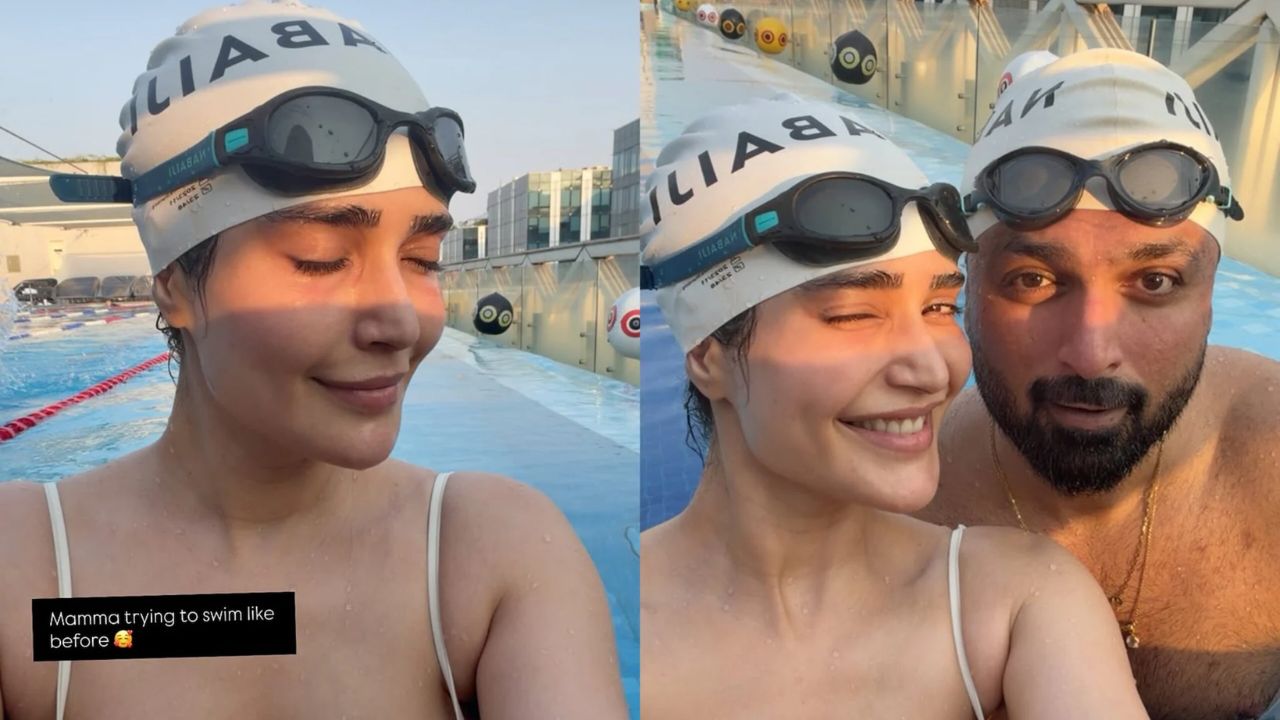
Karishma Tanna has added swimming to her postpartum recovery routine. The 42-year-old actor shared a glimpse of herself in the pool as she gradually gets back to physical activity after giving birth to her son. She has been documenting her fitness journey and is taking a measured approach. Recently, Tanna had shared a video showing her workout session at the gym. Her routine included a spin bike for cardio, followed by ring rows, dumbbell exercises, weighted wall sit and rowing.
Swimming can be a gentle way for new mothers to work their bodies because water supports much of the body's weight. For women recovering after childbirth, returning to exercise is not about immediately getting back to pre-pregnancy fitness levels. The body needs time to heal, and the right activity depends on the type of delivery, recovery and any complications. The American College of Obstetricians and Gynecologists (ACOG) recommends gradually returning to exercise when medically safe. Read on to know how swimming helps in postpartum recovery.
How Swimming Can Help During Postpartum Recovery
1. Provides A Low-Impact Workout
One of the biggest advantages of swimming is that the water supports the body and reduces the load on joints. This can make movement feel more comfortable than high-impact activities such as running. For new mothers, this may be useful as the body is still recovering from pregnancy and childbirth. Swimming can be a good way to stay active without putting the same amount of pressure on the joints.
2. Works Several Muscle Groups
Swimming is a full-body activity. Different strokes work the arms, shoulders, back, abdomen and legs. This allows several muscle groups to work during one session. Pregnancy and childbirth can change posture and muscle strength. Once a woman is medically cleared to exercise, swimming can be one way to gradually rebuild muscle endurance.
3. Supports Cardiovascular Fitness
Swimming can also work as an aerobic workout. It increases the heart rate and makes the heart and lungs work harder, depending on the pace and duration. Regular aerobic activity can help improve cardiovascular fitness. ACOG says that exercise after pregnancy can provide several health benefits, including improved energy, better sleep and stress relief.
4. Can Help Improve Stamina
Caring for a newborn can be physically demanding, especially with interrupted sleep and frequent lifting, carrying and feeding. Building stamina gradually can help a new mother manage everyday activities in a better way. Swimming allows the intensity to be adjusted. A woman can begin with shorter, easier sessions and gradually increase the duration as her recovery progresses.
5. May Support Weight Management
Pregnancy naturally leads to weight gain, and losing this weight does not need to happen immediately after childbirth. However, once exercise is medically safe, regular physical activity can help in gradual weight loss. Swimming burns calories while also working multiple muscle groups. It can therefore become part of a postpartum fitness routine.
6. Can Be Easier On The Pelvic Floor
The buoyancy of water reduces the amount of body weight that has to be supported. This can make swimming feel gentler than exercises. However, this does not mean swimming is suitable immediately after delivery. The pelvic floor and other tissues need time to recover, and women should follow their healthcare provider's advice about when they can start swimming.
7. May Help With Stress And Mood
The postpartum period can bring major physical and emotional changes. Exercise can be one part of a broader approach to mental health. ACOG says physical activity can help relieve stress, improve sleep and may help prevent postpartum depression. Swimming may also offer a period of personal time, which can be valuable for a new mother.
When Should New Mothers Start Swimming?
Swimming should not be treated as an immediate postpartum exercise. The timing depends on the person's recovery, delivery method and whether there were complications.
ACOG says that new mothers should gradually return to physical activity when it is medically safe. Women who had a caesarean delivery or experienced complications should ask their obstetrician when they can resume exercise. It is also important to avoid exercising through pain, excessive tiredness, dizziness, breathing difficulty or other concerning symptoms.
Disclaimer: This content including advice provides generic information only. It is in no way a substitute for a qualified medical opinion. Always consult a specialist or your own doctor for more information. NDTV does not claim responsibility for this information.