

)
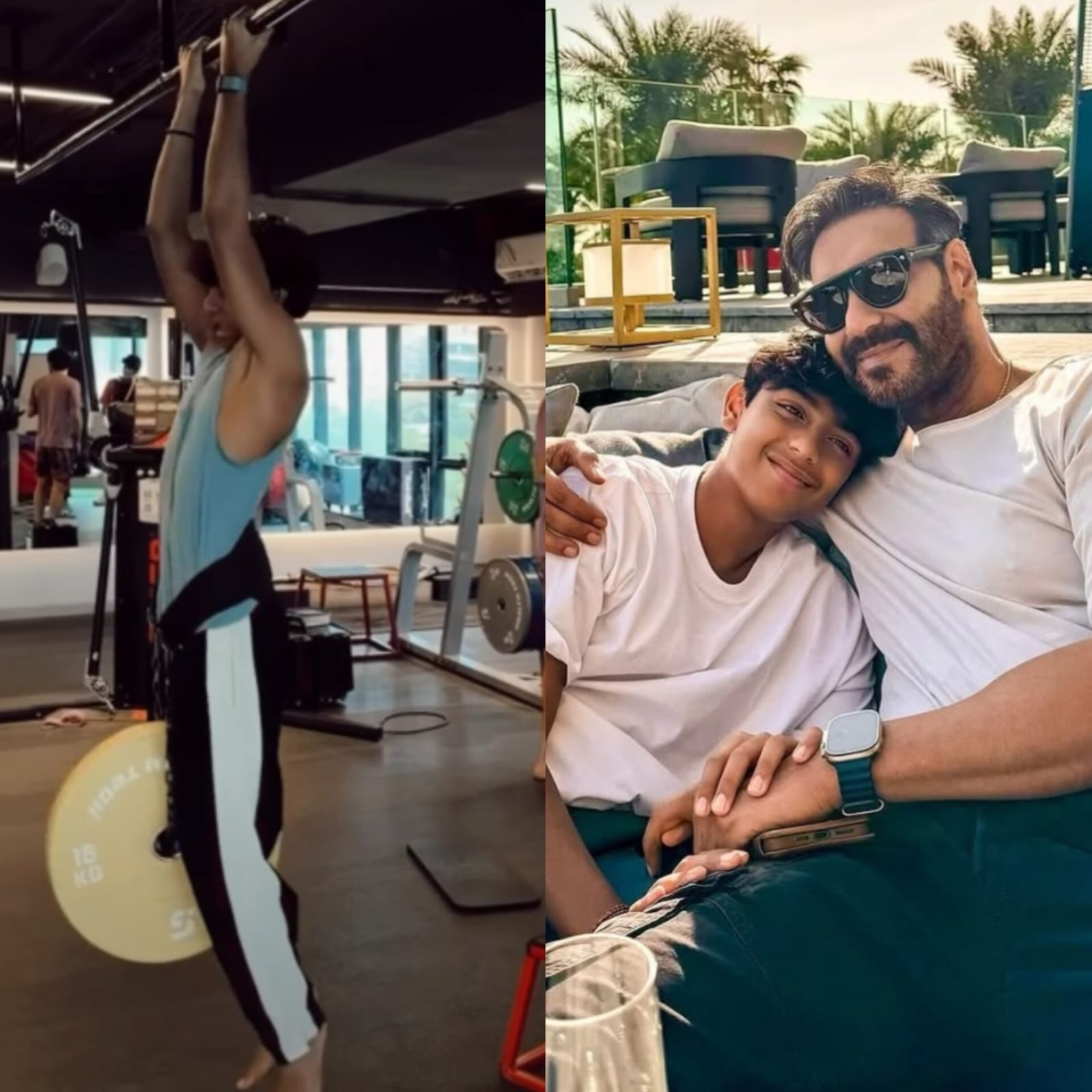
Actor Ajay Devgn recently gave fans a glimpse into his 16-year-old son Yug Devgn's workout routine. In a video shared on Instagram Stories, Yug can be seen performing pull-ups on a gym bar while wearing a weightlifting belt around his waist. Ajay Devgn appears to be recording the session through the gym mirror. The video has put the spotlight on an increasingly common question among parents and teenagers: Can teenagers safely work out at a gym? As strength training becomes increasingly popular among young people, experts say that teenagers can exercise and build strength, but their workouts need to be age-appropriate and properly supervised. At 15 or 16, the objective should not be to lift the heaviest possible weight or replicate an adult bodybuilder's physique. Instead, the focus should be on learning proper techniques, improving strength and coordination, and developing healthy exercise habits.
"Yes, teenagers age 15 or 16 can hit the gym. But always remember, it has to be done correctly and under proper supervision. At 15, a gym can be a great place to build strength, coordination, and good exercise habits. The goal, however, should not be to lift the heaviest weight, or look like a mature bodybuilder. Start with age-appropriate exercises, always," fitness expert Kaushik told Moneycontrol.
Can Teenagers Go To The Gym?
Teenagers can participate in strength training when the programme is appropriate for their age, ability and stage of physical development. Going to the gym does not necessarily mean lifting heavy weights. Teenagers can begin with bodyweight movements such as squats, push-ups and assisted pull-ups before progressing to resistance bands, machines or free weights. The most important factor is proper technique. A teenager should learn how to perform an exercise correctly before increasing the resistance or intensity.
Pull-Ups: Which Muscles Does The Exercise Work?
Pull-ups are a challenging bodyweight exercise that works several muscles across the upper body. The latissimus dorsi, or lats, are the primary muscles involved in pulling the body upwards. The biceps, forearms, shoulders and muscles of the upper back also contribute to the movement. The abdominal and other core muscles help stabilise the body throughout the exercise. Because a pull-up requires a person to move their own body weight, it can be demanding even for adults. Adding external weight makes the movement more challenging and should not be attempted simply to make the exercise look more intense.
How To Do A Pull-Up Correctly
Good form is more important than the number of repetitions. Start by gripping the bar firmly with your hands slightly wider than shoulder-width apart. Keep your body controlled and engage your core rather than swinging or using momentum to get over the bar. Pull yourself upwards by driving your elbows down and keeping the movement controlled. Once you reach the appropriate top position, slowly lower your body back to the starting position. If a teenager cannot perform a full pull-up yet, there is no need to force the movement. Assisted pull-ups, resistance-band variations and other back-strengthening exercises can help build the required strength gradually.
What Does A Weightlifting Belt Do?
In the video, Yug can be seen wearing a weightlifting belt around his waist. Such belts are sometimes used during certain strength exercises, particularly when people are lifting substantial loads. However, a belt does not replace proper technique or supervision. Teenagers should not assume that wearing a belt makes lifting heavier weights safe. Whether additional equipment is appropriate depends on the exercise, training experience and individual circumstances. For adolescents, it is particularly important that resistance and exercise selection are determined with appropriate professional guidance.
Benefits Of Strength Training For Teenagers
When performed correctly, strength training can be a useful component of physical activity during adolescence. It can help improve muscular strength, coordination, balance and movement control. Regular physical activity also supports overall fitness and helps young people develop healthy exercise habits. Strength training can also complement participation in sports by helping young athletes develop the physical capacity required for running, jumping, changing direction and other movements.
But gym-based strength training should not replace other forms of physical activity. Teenagers also benefit from cardiovascular exercise, recreational activities, sports and mobility work.
Why Teenagers Shouldn't Chase An Adult Physique
Social media has made muscular physiques highly visible, and teenagers may increasingly feel pressure to look a certain way. But adolescence is a period of significant physical growth, and there can be substantial differences in height, body composition, muscle development and biological maturity between teenagers of the same age. Therefore, a 16-year-old should not use an adult celebrity or fitness influencer as a benchmark for how their body should look. The more appropriate goal is to become stronger, learn good movement patterns and build a sustainable relationship with exercise.
Recovery Matters As Much As Training
A teenager's fitness routine should include adequate recovery. Exercise places stress on the body, and rest allows it to adapt. Sleep, nutrition, hydration and rest days are important parts of a young person's training routine. Teenagers who participate in multiple sports or other physical activities may also need to account for their total training load rather than looking only at their gym sessions.
Persistent pain, unusual fatigue or difficulty recovering between workouts should not simply be ignored. Such symptoms should be discussed with a parent, coach or healthcare professional.
How Often Should A Teenager Work Out?
There is no single gym schedule that is appropriate for every 16-year-old. Training frequency should depend on the teenager's experience, overall physical activity, goals and individual development.
Someone new to strength training should start gradually and learn the basic movements before progressing to more demanding exercises. A qualified trainer with experience working with adolescents can help ensure that exercises, resistance, repetitions and technique are appropriate.
Yug Devgn's workout video offers a glimpse into a teenager's strength-training routine, but it should not be treated as a fitness template for every adolescent. Teenagers can safely participate in strength training when exercises are age-appropriate, technique is prioritised and proper supervision is available. At this stage, fitness is less about lifting the heaviest weight or achieving a highly muscular physique and more about building strength, coordination, confidence and healthy exercise habits that can last into adulthood.
Disclaimer: This content including advice provides generic information only. It is in no way a substitute for a qualified medical opinion. Always consult a specialist or your own doctor for more information. NDTV does not claim responsibility for this information.