

)
Cardiovascular prevention has largely been built around a small group of measurable risk factors, particularly cholesterol, blood pressure, blood sugar, smoking and weight. These measures have shaped clinical practice for decades because they give doctors something concrete to track and, in many cases, something they can treat.
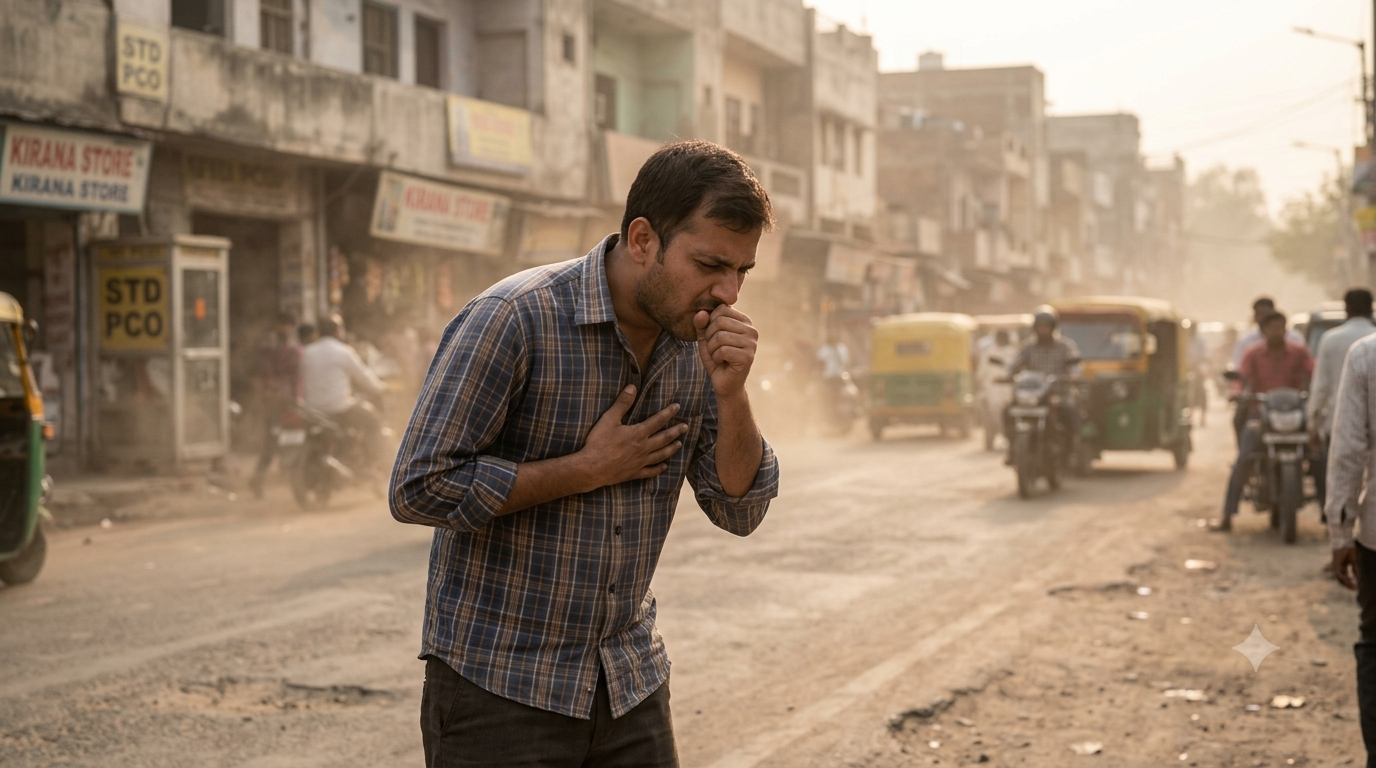
The difficulty is that a patient's cardiovascular risk is also being shaped outside the consultation room. The air they breathe, the water flowing through old pipes, the noise around their home and repeated exposure to extreme heat can all influence cardiovascular health. Yet most routine assessments still say little about these exposures.
A patient may have controlled LDL cholesterol and a normal blood pressure reading while spending years living beside a congested highway or in an area affected by industrial pollution. The clinical numbers may look reassuring, while the environment continues to place stress on the cardiovascular system. That is where cardiovascular prevention needs to expand.
Air Pollution and The Cardiovascular System
Air pollution is often discussed as a cause of respiratory disease, but its effects extend to the heart and blood vessels. Fine particulate matter can travel deep into the lungs and trigger inflammation, changes in vascular function and increased clotting. Long-term exposure has been associated with heart attacks, strokes and other cardiovascular conditions.
A 2019 study published in the European Heart Journal estimated 8.8 million excess deaths globally each year associated with air pollution. The researchers found that cardiovascular disease accounted for a substantial proportion of these deaths.
The scale of the exposure makes individual advice insufficient. A person can stop smoking or take medication to control blood pressure. They cannot individually control the air quality around their home or workplace.
Reducing exposure therefore requires action on transport emissions, industrial pollution, urban planning and air quality standards.
Lead Remains a Cardiovascular Concern
Lead is usually discussed in relation to children and neurological development. Its impact on adult cardiovascular health receives much less attention. Exposure can occur through older housing, contaminated soil and ageing water infrastructure. The risk can persist even when exposure levels are relatively low.
A cohort study published in The Lancet Public Health followed 14,289 American adults for a median of more than 19 years. The researchers estimated that low-level lead exposure was associated with approximately 256,000 cardiovascular deaths annually in the United States. They also reported a substantial increase in cardiovascular mortality across the observed range of blood lead levels.
For clinicians, this raises a practical point. A patient living in an older home, working around lead or residing in an area with known contamination may have an exposure history that is relevant to cardiovascular health.
Routine cardiac assessments tend to focus on what can be measured directly in the patient. Environmental exposure requires a different set of questions.
Noise Can Raise Cardiovascular Risk
Traffic, aircraft and railway noise are generally treated as urban planning or quality-of-life concerns. Research increasingly links prolonged exposure to environmental noise with cardiovascular disease.
A 2024 review in Circulation Research examined evidence connecting environmental noise with ischaemic heart disease, heart failure and stroke. Noise can interfere with sleep and repeatedly activate the body's stress response, contributing to changes in blood pressure and vascular function.
The World Health Organization has estimated that traffic noise contributes to a significant loss of healthy life years in Western Europe.
For people living near major roads, airports or railway lines, exposure may continue through the night. Persistent sleep disruption can become part of their cardiovascular risk profile.
Noise therefore deserves greater attention when assessing patients with hypertension, sleep problems or existing cardiovascular disease.
Heat And Wildfire Smoke Add New Pressures
Extreme heat is another environmental factor with cardiovascular consequences. During very hot weather, the heart has to work harder to regulate body temperature. Older adults and people with existing cardiovascular disease are particularly vulnerable.
Wildfire smoke creates another exposure. Fine particulate matter from fires can travel long distances and affect communities far from the source. During major smoke events, people with cardiovascular and respiratory conditions can face additional health risks.
Heat alerts, access to cooling and timely information about air quality can therefore form part of cardiovascular protection, particularly for high-risk groups.
Environmental History Should Become Part of Prevention
Doctors routinely assess smoking, diet, exercise, family history and medication. Relevant environmental exposure should be part of that assessment, particularly for people living or working in high-risk areas.
A brief history can cover proximity to major roads or industrial sites, the age and condition of the home, water quality, workplace exposure to metals or fumes, and regular exposure to traffic or aircraft noise.
The information is often available but remains disconnected from clinical care. Air quality data, lead contamination records and noise maps can help identify sustained exposure and strengthen cardiovascular risk assessment. Closer coordination between healthcare and public health agencies can make this information more useful in prevention.
Prevention Must Also Address the Source
Environmental risks cannot be managed through prescriptions alone. Cleaner transport can reduce particulate exposure. Replacing lead pipes can reduce exposure across entire communities. Stronger controls on industrial emissions can reduce pollutants before they reach homes. Measures to reduce traffic and aircraft noise can also have health benefits.
These interventions operate at population level. That makes environmental policy an important part of disease prevention, alongside clinical treatment. Cholesterol and blood pressure will remain essential measures of cardiovascular risk. The evidence supporting their control is extensive.
But cardiovascular health is influenced by more than a blood test or a reading taken during a doctor's appointment. Years of exposure to polluted air, lead, excessive noise and extreme heat can also shape a person's risk.
The next phase of cardiovascular prevention should account for those exposures more systematically. Asking where patients live and work, identifying meaningful environmental risks and reducing exposure at its source can become part of how heart disease is prevented.
For many people, cardiovascular risk begins long before they enter a clinic. Prevention should begin there too.
(By Dr. Sabine Kapasi, CEO at Enira Consulting Pvt Ltd, Founder of ROPAN Healthcare Pvt Ltd, and a UN Advisor)
Disclaimer: The opinions expressed within this article are the personal opinions of the author. NDTV is not responsible for the accuracy, completeness, suitability, or validity of any information on this article. All information is provided on an as-is basis. The information, facts or opinions appearing in the article do not reflect the views of NDTV and NDTV does not assume any responsibility or liability for the same.