

)
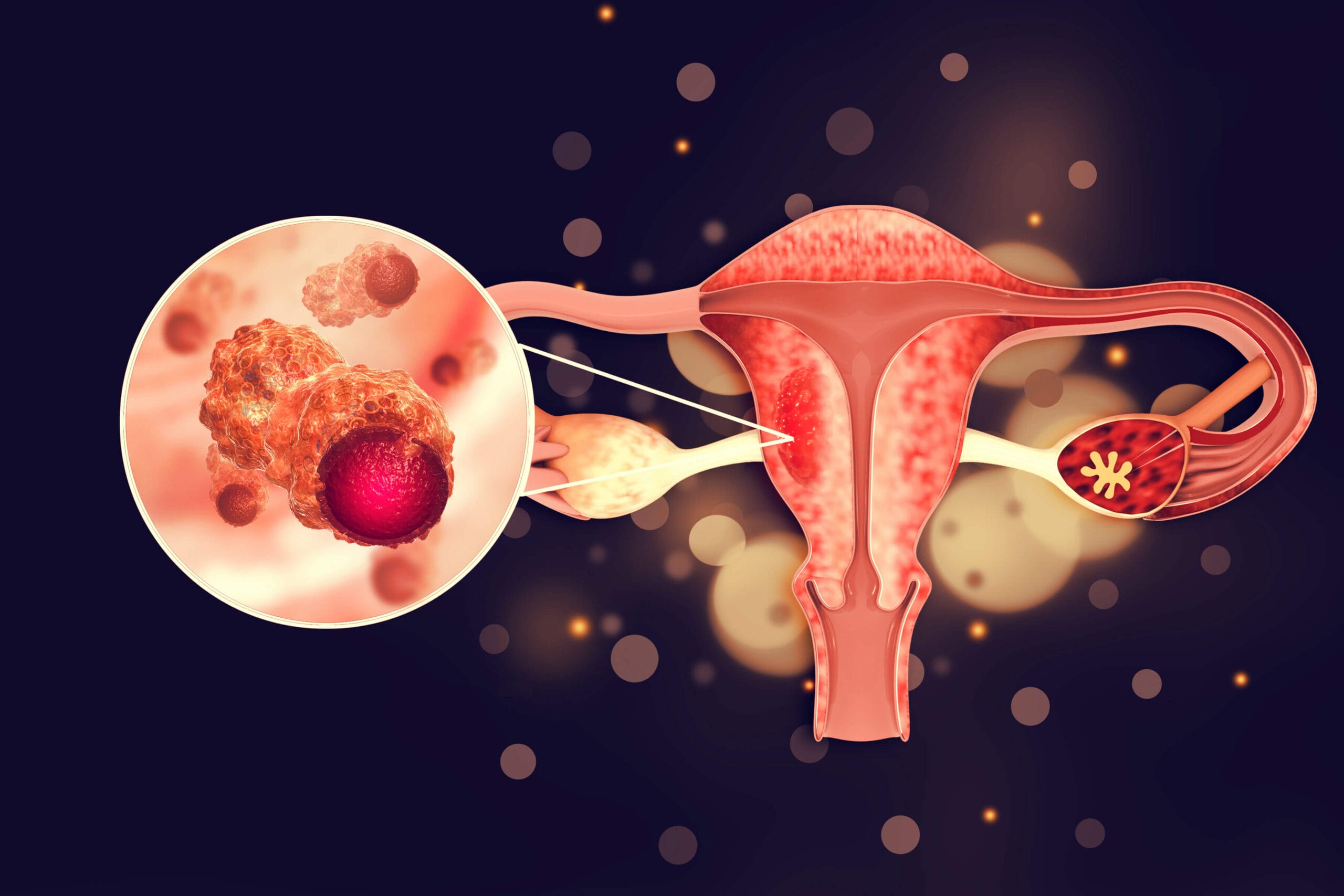
Endometrial cancer, which starts in the lining of the uterus, is the most common gynaecological cancer in high-income countries, and its numbers keep climbing worldwide. The latest GLOBOCAN 2024 estimates put it at 434,620 new cases and 100,680 deaths globally, making it the 16th most common cancer overall. In India, the same 2024 estimates report 28,308 new cases and 6,362 deaths, with a five-year prevalence of close to 73,800 women. (1) Rising obesity, diabetes, and sedentary lifestyles, along with an ageing population, are the main reasons this number keeps growing in India as well as globally, and incidence has been rising steadily worldwide over the past three decades. (2)
Recognising the Symptoms
The good news is that this cancer usually doesn't stay silent for long. The main symptom is abnormal uterine bleeding, especially any bleeding after menopause, or irregular or unusually heavy bleeding before it, and this single symptom is behind most early diagnoses. Other symptoms include watery or blood-tinged vaginal discharge and pelvic pain or pressure, while more advanced disease can bring unexplained weight loss, bloating, and ongoing tiredness. Bottom line: bleeding after menopause is never just "part of ageing" and should never be brushed off and needs to be evaluated without delay. (3)
Understanding the Risk Factors
Key risk factors mostly come down to excess oestrogen exposure without enough progesterone to balance it out. Obesity, never having been pregnant, early periods, late menopause, PCOS, oestrogen-only hormone therapy, and tamoxifen use are all established risks, along with type 2 diabetes and high blood pressure as important metabolic contributors. On the other hand, using combined oral contraceptives, having multiple pregnancies, staying physically active, and maintaining a healthy weight are all linked to a lower risk in observational studies. (4)
The Role of Genetics
Genetics matter too, especially Lynch syndrome, an inherited condition caused by mismatch-repair gene mutations that can raise lifetime risk to as high as 40-50%, which is why testing tumours for mismatch-repair status is now considered routine practice. (5)
How Endometrial Cancer Is Diagnosed
Diagnosis usually begins as soon as a woman reports abnormal bleeding, since catching it early is what makes this cancer so treatable. Transvaginal ultrasound is typically the first step, followed by an in-clinic endometrial biopsy to confirm the diagnosis. If the sample is inconclusive or bleeding continues despite a normal result, hysteroscopy with a directed biopsy or a D&C is used instead. Once cancer is confirmed, tumours are now also classified by molecular subtype alongside the traditional grade and histologic type, since this increasingly guides treatment decisions. Pelvic MRI helps assess how deep the tumour has invaded the uterine wall and CT or PET-CT scans are reserved for higher-risk or more advanced cases to check for spread beyond the uterus. (6)
Treatment and Management
Treatment today leans on this molecular subtype alongside standard surgical staging, which usually involves a hysterectomy with removal of both fallopian tubes and ovaries, plus lymph node assessment. Early, low-risk disease is often cured with surgery alone, while higher-risk or more advanced cases add radiotherapy, chemotherapy, and increasingly immunotherapy, particularly for mismatch-repair-deficient tumours. As research into molecular profiling and targeted treatment keeps evolving quickly, ongoing dialogue between doctors and patients remains essential. Above all, awareness of the warning signs, especially postmenopausal bleeding, continues to be the single biggest factor in catching this cancer early and improving outcomes. (7)
(By Dr. Uma Bhaskar Dangi, Consultant Medical Oncologist, Kokilaben Dhirubhai Ambani Hospital and Medical Research Institute)
References:
1. Global Cancer Observatory: Cancer Today. International Agency for Research on Cancer.
2. Hooks O, Jhumkhawala V, Sibson K, Shrontz A, Krishnan SS, Ahmad S. Diabetes, Obesity, and Endometrial Cancer: A Review. Current Oncology. 2025 Nov 29;32(12):672. doi:10.3390/curroncol321206723.
3. Boeckstaens S, Dewalheyns S, Heremans R, Vikram R, Timmerman D, Van Den Bosch T, et al. Signs and symptoms associated with uterine cancer in pre- and postmenopausal women. Heliyon. 2020 Nov;6(11):e05372. doi:10.1016/j.heliyon.2020.e053724.
4. Raglan O, Kalliala I, Markozannes G, et al. Risk factors for endometrial cancer: an umbrella review of the literature. Int J Cancer. 2019;145(7):1719-1730. doi:10.1002/ijc.31961.
5. Kluk A, Gryczka H, Braszka M, Altyn R, Markiewicz H, Slezak JK, et al. Hereditary Endometrial Cancer: Lynch Syndrome, Mismatch Repair Deficiency, and Emerging Genetic Predispositions-A Comprehensive Review with Clinical and Laboratory Guidelines. IJMS. 2026 Jan 28;27(3):1304. doi:10.3390/ijms27031304
6. Abu-Rustum NR, Campos SM, Amarnath S, Arend R, Barber E, Bradley K, et al. NCCN Guidelines Insights: Uterine Neoplasms, Version 3.2025: Featured Updates to the NCCN Guidelines. Journal of the National Comprehensive Cancer Network. 2025 Aug;23(8):284-91. doi:10.6004/jnccn.2025.0038.
7. Oaknin A, Bosse TJ, Creutzberg CL, Giornelli G, Harter P, Joly F, et al. Endometrial cancer: ESMO Clinical Practice Guideline for diagnosis, treatment and follow-up. Annals of Oncology. 2022 Sep;33(9):860-77. doi:10.1016/j.annonc.2022.05.009
Disclaimer: The opinions expressed within this article are the personal opinions of the author. NDTV is not responsible for the accuracy, completeness, suitability, or validity of any information on this article. All information is provided on an as-is basis. The information, facts or opinions appearing in the article do not reflect the views of NDTV and NDTV does not assume any responsibility or liability for the same.