

)
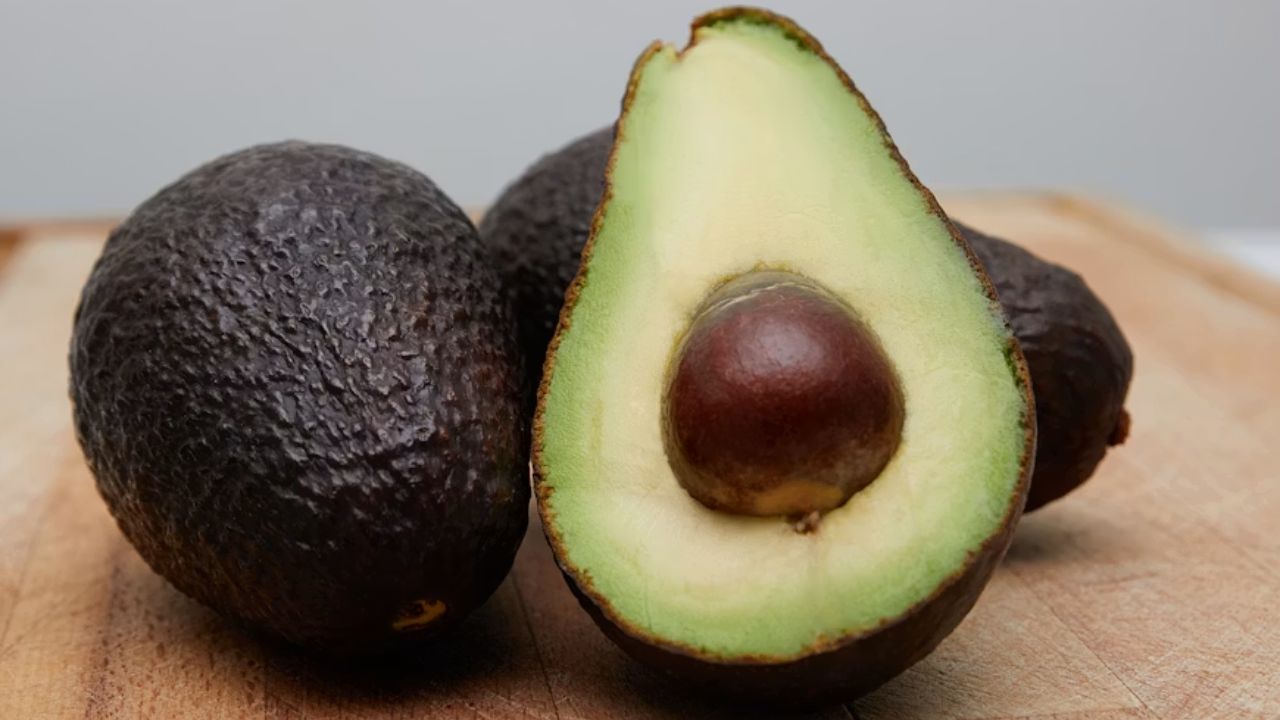
Avocados have long been known as a nutritious fruit packed with healthy fats, fibre and essential vitamins. Now, a new study suggests that eating one avocado every day may also help improve heart health by lowering levels of "bad" cholesterol. Researchers found that this simple dietary habit reduced the number of harmful low-density lipoprotein (LDL) particles in the blood, which are known to increase the risk of heart disease risk.
Heart disease is one of the leading causes of death worldwide, and high LDL cholesterol is one of its biggest risk factors. While medication is often needed for people with high cholesterol, healthy eating habits continue to play an important role in prevention. Adding nutrient-rich foods such as avocados to a balanced diet may offer extra protection. However, researchers also stress that no single food can replace an overall healthy lifestyle that includes regular exercise, good sleep and avoiding smoking.
Daily Avocado Intake Can Improve Cholesterol Levels
The new research, published in the Journal of Clinical Lipidology, analysed data from the Habitual Diet and Avocado Trial, which included adults living with obesity. Participants were divided into two groups. One group ate one avocado every day for six months, while the other continued with their usual diet.
At the end of the study, researchers found that those who ate an avocado daily had fewer LDL particles in their blood. Also, the biggest reduction was seen in small, dense LDL particles, which are considered more harmful because they can easily enter the walls of blood vessels and lead to plaque buildup.
Why Is Lowering LDL Cholesterol Important
LDL is commonly called "bad" cholesterol because high levels increase the risk of fatty deposits building up inside arteries. Over time, these deposits can narrow the arteries, reducing blood flow to the heart and brain. This increases the chances of heart attacks and strokes.
Not all LDL particles are the same. Smaller LDL particles are considered especially dangerous because they are more likely to trigger inflammation and artery damage. The new study found that daily avocado consumption reduced these harmful particles. This suggests that it may help improve overall heart health beyond simply lowering cholesterol numbers.
What Makes Avocados Heart-Healthy?
Avocados are rich in monounsaturated fats, which are considered healthy fats that can help improve cholesterol levels when they replace foods high in saturated fat. They are also a good source of dietary fibre, potassium, folate, vitamin E and several antioxidants.
Fibre helps reduce cholesterol absorption in the digestive system, while healthy fats support better blood lipid levels. Potassium helps regulate blood pressure, another major factor in heart health. Together, these nutrients make avocados one of the most nutrient-dense fruits available.
Benefits Without Weight Loss
One of the interesting findings of the study was that participants did not lose significant weight or reduce their waist size during the six-month period. Despite this, there were improvements in harmful LDL particles. This suggests that avocados may improve heart health through their nutritional content rather than by helping people lose weight. Researchers believe this makes the findings more relevant because it highlights what may happen when people simply add a healthy food to their usual diet instead of following a strict weight-loss programme.
Should You Eat An Avocado Every Day?
For most healthy adults, eating an avocado regularly can be part of a balanced diet. It can be added to salads, sandwiches, smoothies, wraps or enjoyed on whole-grain toast. However, avocados are also relatively high in calories, so portion size still matters, especially for people trying to manage their weight. Experts recommend replacing foods rich in saturated fats, such as butter or processed spreads, with avocado instead of adding extra calories to the diet.
A Healthy Diet Is Still Important
Although the findings are encouraging, researchers caution that eating one avocado alone will not eliminate the risk of heart disease. A healthy eating pattern is extremely important. A heart-friendly diet should include plenty of fruits, vegetables, whole grains, legumes, nuts, seeds and healthy fats while limiting processed foods, sugary drinks and foods high in saturated and trans fats. Regular physical activity, maintaining a healthy weight, controlling blood pressure and avoiding tobacco are equally important.
Disclaimer: This content including advice provides generic information only. It is in no way a substitute for a qualified medical opinion. Always consult a specialist or your own doctor for more information. NDTV does not claim responsibility for this information.