

)
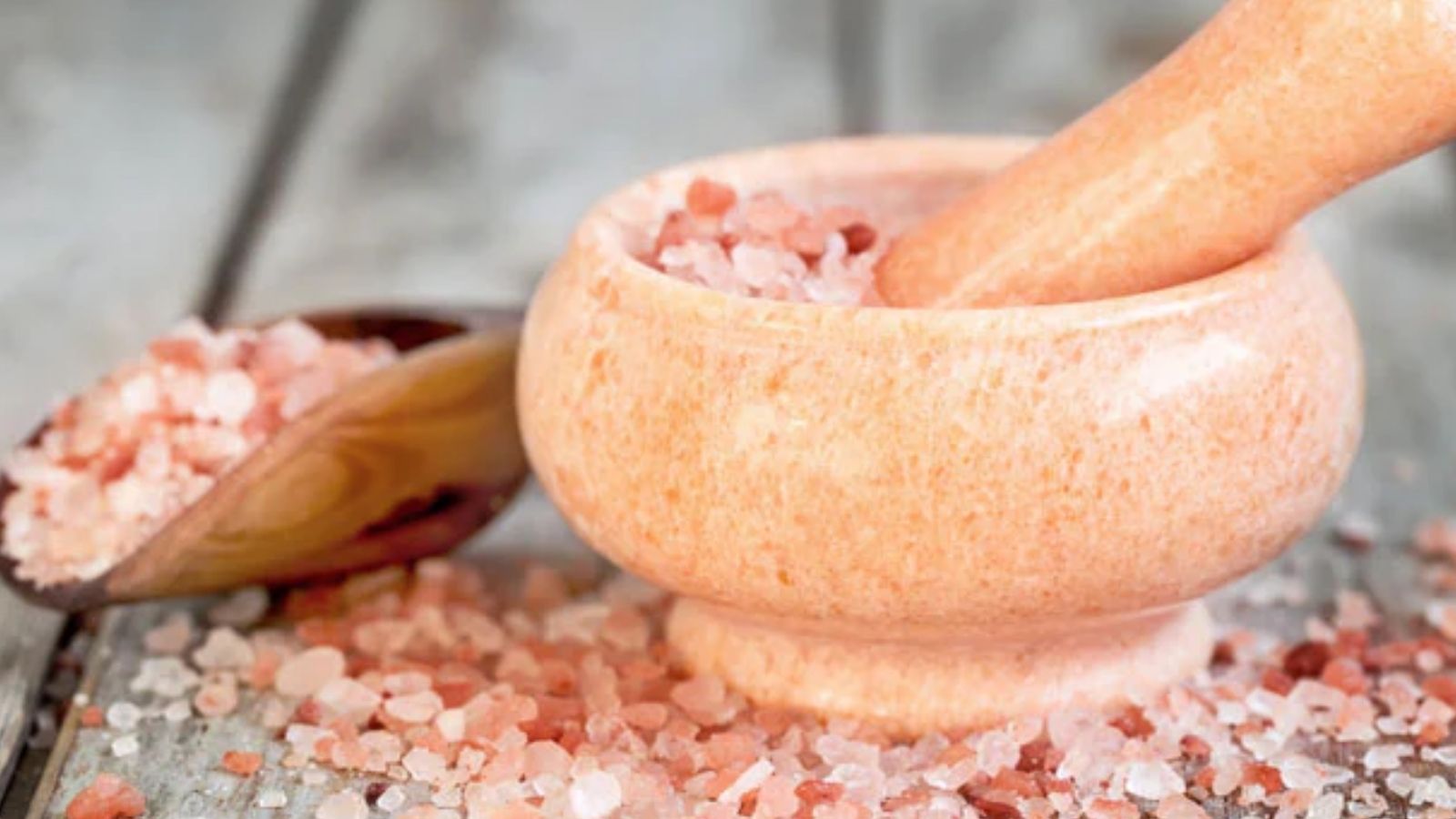
Walk into almost any urban Indian kitchen today, and you are likely to find a jar of sendha namak (rock salt) sitting right beside or completely replacing the classic blue pack of iodised white salt. Driven by wellness trends, social media claims, and traditional fasting practices, millions have made the switch under the assumption that pink or unrefined rock salt is instantly better for their heart, blood pressure, and resting pulse. But does replacing white salt with sendha namak actually lower your resting heart rate or ease the burden on your cardiovascular system? Leading cardiologists and clinical experts weigh in on what happens inside your body when you swap salt varieties and why your heart might not notice the difference as much as you think.
The Difference Between White Salt and Sendha Namak
To understand how salt impacts your pulse, it helps to look at what is inside your salt shaker. Refined White Salt: Heavily processed to remove impurities and anti-caking agents, table salt is composed almost entirely of sodium chloride (roughly 97% to 99%). In India, it is routinely fortified with iodine to prevent thyroid disorders and goitre.
Sendha Namak (Rock Salt) is obtained in its raw, crystalline form, rock salt undergoes minimal processing. It naturally retains trace amounts of potassium, magnesium, calcium, and iron. Because it is less dense, it contains slightly less sodium per teaspoon by weight compared to fine table salt.
"There is a widespread misconception that rock salt or pink salt is a completely different chemical compound," notes Dr Anshuman Kaushal, a Senior Specialist at Indraprastha Apollo Hospital.
He adds, " At the end of the day, whether it is Himalayan pink, Celtic, or local sendha namak, your heart and kidneys process it primarily as sodium chloride. Your blood vessels cannot tell the difference between expensive rock salt and regular table salt when it comes to sodium load."
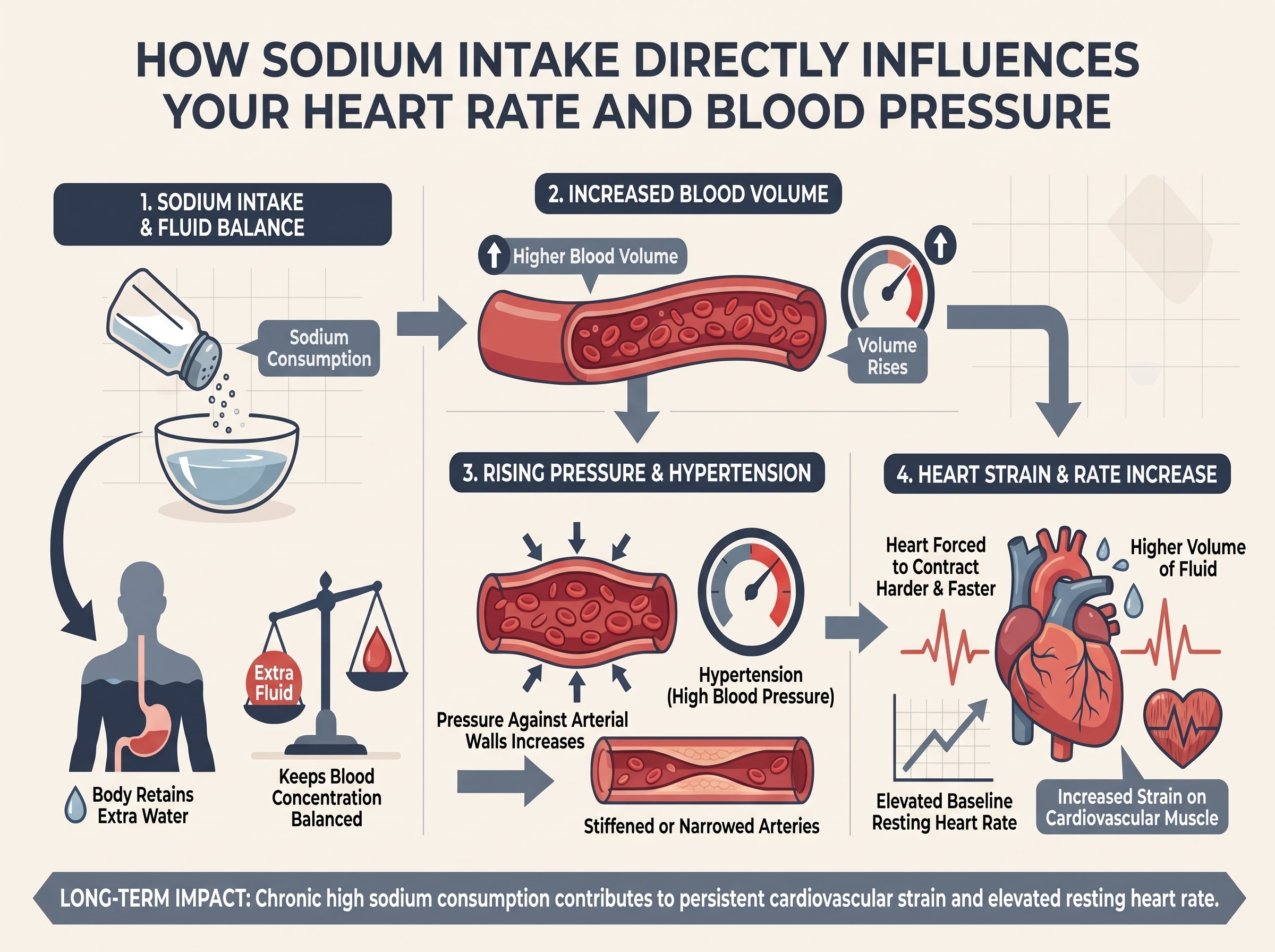
How Sodium Intake Directly Influences Your Heart Rate and Blood Pressure
To grasp how salt affects your pulse, you have to look at fluid dynamics in the bloodstream.
When you consume sodium, your body retains extra water to keep blood concentration balanced. This extra fluid increases your overall blood volume. As blood volume rises, the pressure against arterial walls increases which is a condition known as hypertension.
To pump a higher volume of fluid through stiffened or narrowed arteries, your heart is forced to contract harder and often faster. Over time, high sodium consumption can contribute to an elevated baseline resting heart rate and increased strain on the cardiovascular muscle.
The Verdict: Does Swapping Salts Change Your Pulse?
The short answer is no, as swapping white salt for sendha namak will not automatically change or lower your heart rate if your overall sodium intake remains unchanged.
While Sendha Namak contains trace potassium, which is a mineral that helps relax blood vessel walls and counterbalances sodium. These quantities that are far too small to act as a therapeutic cure for elevated pulse rate or high blood pressure.
"People often think that switching to rock salt gives them a free pass to use more of it," explains Dr Yogesh K. Chhabra, Director and Unit Head of Nephrology at Fortis Hospital. "Rock salt is still high in sodium. If you sprinkle sendha namak generously over salads, fruits, and cooked meals thinking it is 'safe', you may end up consuming more total sodium than before, which can negatively impact kidney function and keep your blood pressure elevated."
Furthermore, experts from Max Super Speciality Hospital emphasise that total daily volume is what dictates cardiovascular outcomes. As Dr Ritwick Raj Bhuyan, Principal Consultant CTVS at Max Healthcare, notes regarding salt management, maintaining total salt consumption within clinical guidelines is crucial for preventing long-term cardiovascular stress and heart failure risks.
Why White Salt Still Has a Role in Your Kitchen
While sendha namak is a great choice for culinary variety and digestive comfort during fasting, ditching white salt entirely can carry hidden risks, specifically iodine deficiency.
Unrefined sendha namak does not contain added iodine. Iodine is essential for thyroid hormone production, which directly regulates your metabolism, body temperature, and even baseline heart rate. Completely eliminating iodised salt without an alternative iodine source can lead to thyroid dysfunction, which paradoxically can cause heart rate abnormalities (such as bradycardia or tachycardia).
The IRI journal of Medical Sciences recommend using a balanced mix of both salts in daily cooking or using iodised table salt for primary cooking and sendha namak as a finishing salt.
4 Evidence-Based Ways To Actually Lower Your Heart Rate
If your goal is to bring down a high resting heart rate or protect your cardiovascular system, changing the colour of your salt won't do the trick alone. Focus on these proven strategies instead:
1. Cap Total Salt Intake: The World Health Organization (WHO) and cardiologists recommend consuming less than 5 grams of total salt per day (about 1 level teaspoon) across all salt types combined.
2. Cut Out Hidden Sodium: Up to 70% of excess dietary sodium comes from packaged snacks, processed meats, instant noodles, ready-made sauces, and bakery items, not the salt shaker on your dining table.
3. Get Potassium From Whole Foods: Instead of relying on trace minerals in rock salt, get real dietary potassium from bananas, coconut water, spinach, lentils, and sweet potatoes to help naturally relax your blood vessels.
4. Build Cardiovascular Fitness: Consistent low-intensity cardio (like brisk walking, swimming, or cycling for 30 minutes daily), stress management, and 7–8 hours of quality sleep remain the most reliable ways to reduce your resting heart rate over time.
When To See A Doctor
If you notice that your resting heart rate consistently stays above 100 beats per minute (tachycardia), or if you experience palpitations, unexplained dizziness, chest discomfort, or shortness of breath, consult a cardiologist promptly. Dietary tweaks should never replace proper medical evaluation and prescribed treatments for hypertension or cardiac conditions.
Also Read: How To Lower Resting Heart Rate Driven By Chronic Stress And Cortisol
Disclaimer: This content including advice provides generic information only. It is in no way a substitute for a qualified medical opinion. Always consult a specialist or your own doctor for more information. NDTV does not claim responsibility for this information.