

)
A rare but serious infectious disease is making an unexpected comeback. Australia has reported a diphtheria outbreak in the Kimberley region, its first significant resurgence in over 50 years, triggering public health alerts and renewed focus on vaccination. Health authorities say cases have risen sharply in recent months, with clusters emerging in remote communities, raising concerns about gaps in immunisation coverage. Diphtheria, once a leading cause of death in children before widespread vaccination, is now considered largely preventable. However, the recent outbreak highlights a worrying global trend: Vaccine-preventable diseases are resurfacing in pockets where immunity has weakened. Experts link this to declining vaccination rates, healthcare access challenges and increased mobility across regions.
For countries like India, where population density is high and regional disparities in healthcare persist, such outbreaks serve as an important warning. Even though India has robust immunisation programmes, lapses in coverage or awareness can create vulnerabilities.
Here's a detailed look at what diphtheria is, why the outbreak in Australia matters, and what individuals and health systems can do to stay protected.
What Is Happening In Australia?
Recent reports indicate that diphtheria cases in Western Australia's Kimberley region have tripled within weeks, marking the first notable outbreak in over five decades. Health authorities have confirmed multiple cases, including both respiratory and skin (cutaneous) diphtheria, with numbers rising from a handful of cases to over 20 in a short period. This resurgence is particularly concerning because diphtheria had been largely absent in Australia due to strong vaccination programmes.
What Is Diphtheria?
Diphtheria is a highly contagious bacterial infection caused by Corynebacterium diphtheriae. It primarily affects the nose and throat but can also infect the skin. It spreads through respiratory droplets, such as coughing and sneezing, or through contact with infected wounds. The disease is dangerous because it produces a toxin that can damage vital organs, including the heart and nerves.
Symptoms: What To Watch For
Diphtheria often begins with mild, cold-like symptoms but can quickly become severe.
Common symptoms include:
- Sore throat and mild fever
- Difficulty swallowing
- Swollen neck glands ("bull neck")
- Thick grey membrane in the throat
- Breathing difficulty
In some cases, it can also cause skin infections with slow-healing ulcers. If untreated, complications may include heart rhythm problems, nerve damage and even death.
Treatment: Why Early Care Is Critical
Diphtheria is treatable, but only if detected early.
Treatment typically includes:
- Antitoxins to neutralise the bacterial toxin
- Antibiotics to eliminate infection
- Hospital care for severe cases
Even with treatment, the disease can be fatal in some cases, highlighting the importance of early diagnosis. Public health guidelines also recommend isolating infected individuals and monitoring close contacts to prevent further spread.
Why Did The Outbreak Happen?
Experts believe several factors may have contributed:
- Declining vaccination coverage in certain communities
- Limited healthcare access in remote areas
- Immunity gaps due to missed booster doses
- Increased movement between regions
The outbreak also highlights how quickly infectious diseases can return when herd immunity weakens.
Why It Matters For India
India has made significant progress in controlling diphtheria through its Universal Immunisation Programme. However, sporadic outbreaks still occur in areas with lower vaccination coverage. The World Health Organization reports that thousands of diphtheria cases are still recorded globally each year, particularly in low- and middle-income countries.
For India, the key risks include:
- Uneven vaccine coverage across regions
- Urban overcrowding
- Migration and travel-related transmission
Public health experts warn that even small gaps in immunisation can lead to outbreaks.
Prevention: The Role Of Vaccination
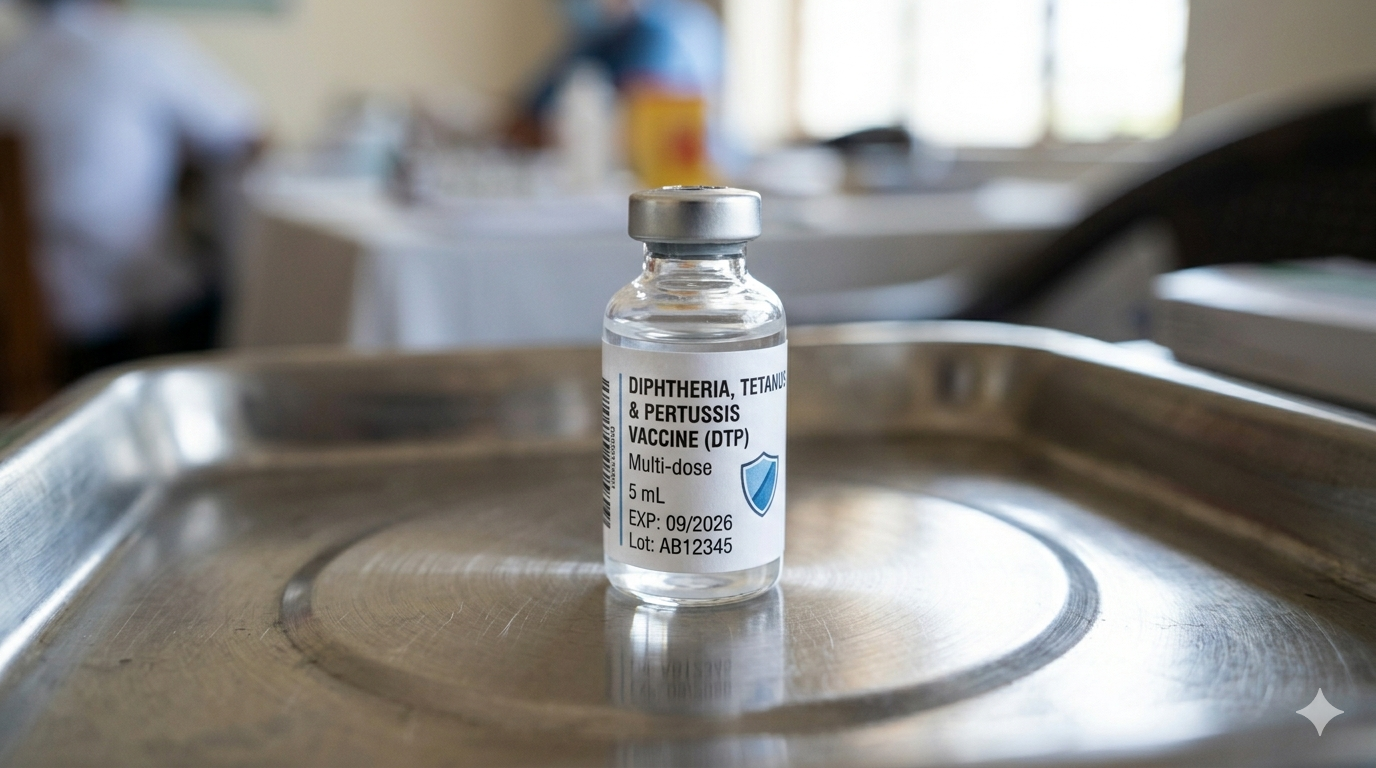
Vaccination remains the most effective protection against diphtheria. The vaccine is typically given in combination with protection against tetanus and pertussis (DTP vaccine) during childhood, followed by booster doses.
Key preventive steps include:
- Ensuring children receive all scheduled vaccines
- Taking booster doses in adolescence and adulthood
- Maintaining hygiene and avoiding contact with infected individuals
According to health authorities, high vaccination coverage is essential to maintain herd immunity and prevent outbreaks.
A Global Wake-Up Call
The outbreak in Australia is part of a broader pattern of re-emerging infectious diseases worldwide. While diphtheria is rare in many developed countries, it has not been eradicated globally. Experts emphasise that vaccination complacency can reverse decades of public health progress.
The diphtheria outbreak in Australia serves as a stark reminder that even diseases considered under control can return if vigilance drops. While the infection is preventable and treatable, delayed diagnosis and gaps in immunisation can lead to serious consequences. For India and other countries, the lesson is clear: sustained vaccination efforts, strong surveillance systems and public awareness are essential to prevent similar outbreaks. In the fight against infectious diseases, prevention remains the most powerful tool.
Disclaimer: This content, including advice, provides generic information only. It is in no way a substitute for a qualified medical opinion. Always consult a specialist or your own doctor for more information. NDTV does not claim responsibility for this information.