



- Type 2 diabetes develops gradually, with prediabetes as an early warning stage
- Prediabetes often lacks symptoms but can cause thirst, fatigue, and blurred vision
- Losing 5-7% body weight can cut diabetes risk by up to 58% for those overweight
Type 2 diabetes does not come suddenly. It develops slowly over several years. When blood sugar levels are higher than normal, but not yet high enough to be diagnosed as type 2 diabetes, it is classified as prediabetes. It serves as an important warning sign that metabolic changes are occurring. If left uncontrolled, prediabetes significantly increases the risk of type 2 diabetes. Most individuals consider prediabetes harmless, since it has not yet fully progressed into type 2 diabetes. However, if you have prediabetes, the long-term damage of diabetes, especially to your heart, blood vessels and kidneys, may already be starting. If you have been recently diagnosed with prediabetes, here's a complete guide of do's and don'ts for you.
Understanding prediabetes: What you should be doing after diagnosis
Often, prediabetes doesn't present clear symptoms, but some people may experience:
1. Increased thirst
2. Frequent urination
3. Fatigue
4. Blurred vision
5. Dark patches of skin (particularly in areas like the neck, armpits, and groin)
Many individuals may not realise they have prediabetes until complications arise.
Should you be worried?
While a diagnosis of prediabetes can be concerning, it is also an opportunity for intervention. Progression from prediabetes to type 2 diabetes isn't inevitable. It indicates an increased risk of developing type 2 diabetes and cardiovascular diseases, but with proactive steps, many individuals can prevent the progression to full diabetes.
How to reverse prediabetes
1. Lose 5-7% of body weight
If you are overweight, losing even a small amount of weight can reduce the risk of progressing to type 2 diabetes by up to 58%.
2. Eat right
Focus on a balanced diet rich in whole foods. Incorporate lots of fruits, vegetables, whole grains, lean proteins, and healthy fats while limiting consumption of processed foods, sugars, and refined carbs. It is also essential to cut liquid sugars by replacing sodas and juices with water, herbal tea, or lemon-infused water.
3. Move more
Aim for at least 150 minutes of moderate aerobic exercise each week, like brisk walking or cycling. Include strength training exercises at least two days a week, as building muscle helps your body absorb glucose more efficiently.
4. Prioritise quality sleep
Aim for 7-9 hours of undisturbed sleep nightly to maintain hormonal balance and insulin sensitivity.
5. Manage stress
Chronic stress triggers cortisol, which spikes blood sugar. Practice 10-15 minutes of meditation, deep breathing, or yoga daily.
6. Quit smoking
Smoking is a direct risk factor for insulin resistance. Quitting helps stabilise blood sugar and improves heart health.
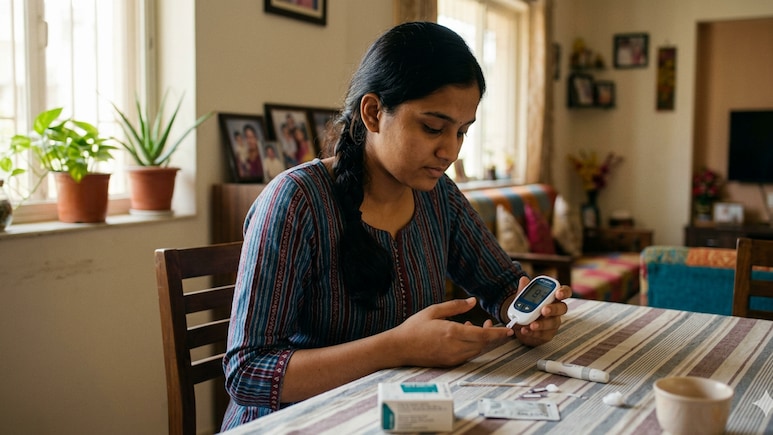
7. Monitor blood sugar levels
Regular monitoring can help you understand how your diet and lifestyle impact your glucose levels.
8. Get regular check-ups
Regular visits to your doctor can ensure your progress is being monitored and any necessary adjustments to your plan can be made.
What causes prediabetes?
The exact cause of prediabetes is not fully understood, but several factors can contribute to its development, including:
1. Insulin resistance: The body's cells become less responsive to insulin, leading to increased blood sugar levels
2. Genetics: A family history of diabetes can increase the risk
3. Obesity: Excess weight, especially around the abdomen, is a significant risk factor
4. Physical inactivity: A sedentary lifestyle contributes to poor metabolic health
5. Age: The risk of diabetes increases with age, particularly after 45
6. Hormonal changes: Conditions like polycystic ovary syndrome (PCOS) can increase the risk
Reversing prediabetes is absolutely possible through dedicated lifestyle changes that improve insulin sensitivity and lower blood sugar levels. Making these lifestyle changes can lead to significant improvements in health and significantly reduce your risk.
Disclaimer: This content including advice provides generic information only. It is in no way a substitute for a qualified medical opinion. Always consult a specialist or your own doctor for more information. NDTV does not claim responsibility for this information.
Track Latest News Live on NDTV.com and get news updates from India and around the world

