

)
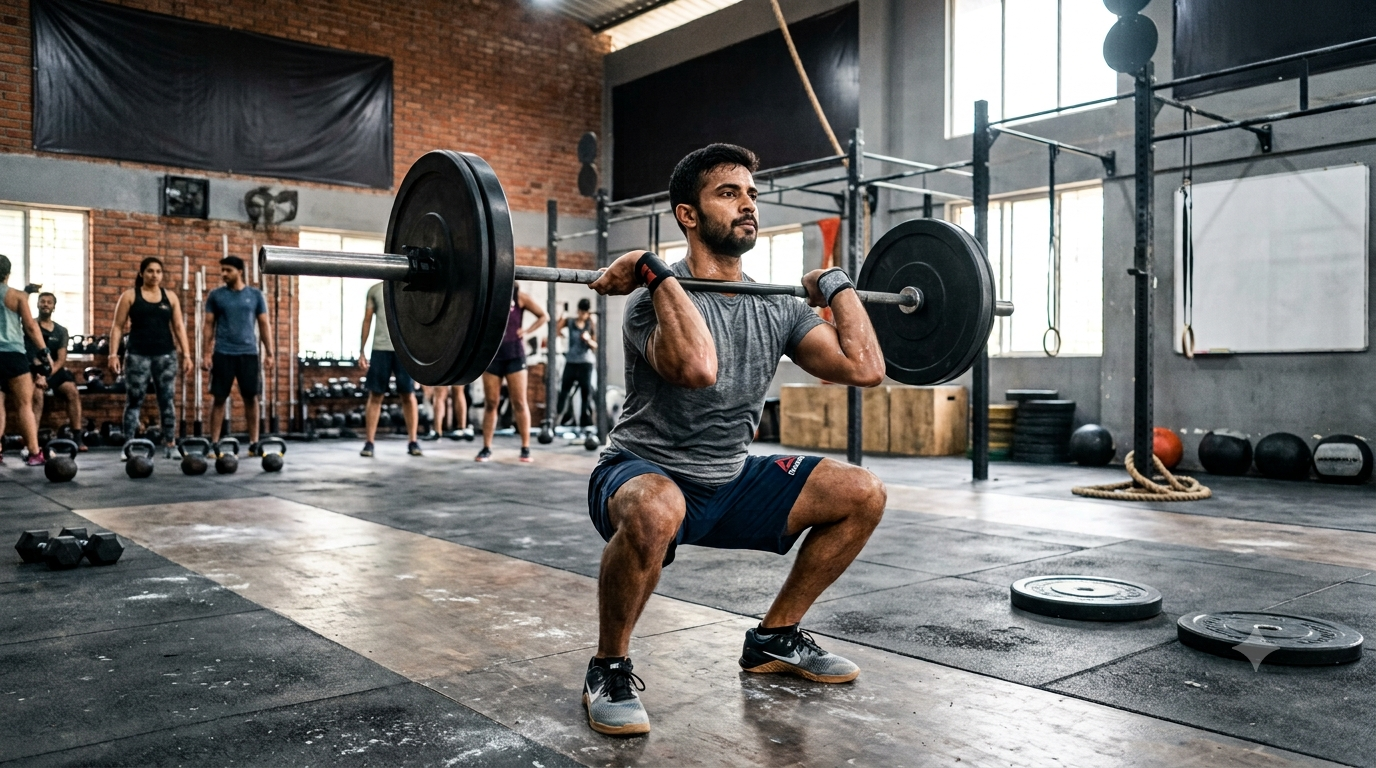
CrossFit has become one of the most popular high-intensity training styles, combining strength exercises, cardiovascular conditioning, gymnastics and functional movements into challenging workouts. From squats and deadlifts to rowing, running, jumping and Olympic weightlifting, CrossFit workouts can look very different from one day to the next. But can this demanding form of exercise actually build strength while improving cardiovascular fitness? The short answer is yes for many people, CrossFit can provide both benefits when it is programmed appropriately and performed with proper technique.
What Is CrossFit?
CrossFit is a training approach built around constantly varied functional movements performed at different levels of intensity. A typical session may include a warm-up, technique or strength work, followed by a workout that combines several movements. Exercises can include:
- Squats
- Deadlifts
- Push-ups
- Pull-ups
- Burpees
- Kettlebell swings
- Rowing
- Running
- Box jumps
- Olympic lifts
The workouts can be adapted to different fitness levels, which means beginners do not necessarily have to perform the same movements or use the same weights as experienced athletes.
Can CrossFit Build Strength?
Resistance exercises are a major component of CrossFit. Movements such as squats, deadlifts, presses and Olympic lifts require the muscles to produce force against resistance. With progressive training, this can help improve muscular strength and power. Compound exercises are particularly useful because they involve multiple muscle groups and joints simultaneously. However, the amount of strength gained depends on how the programme is designed. Someone whose primary goal is maximum strength may benefit from a more specialised strength-training programme with greater emphasis on heavy lifting and structured progression.
Can It Improve Cardiovascular Fitness?
CrossFit can also provide a significant cardiovascular challenge. Many workouts involve repeated bouts of high-intensity activity with limited rest. Running, rowing, cycling, jumping and bodyweight movements can all elevate the heart rate. Over time, regular aerobic and high-intensity training can improve cardiovascular fitness and exercise capacity. However, high-intensity exercise should not be confused with replacing all forms of aerobic activity. Moderate-intensity activities such as brisk walking, cycling or steady running can also be valuable for cardiovascular health.
Why Does CrossFit Feel So Intense?
CrossFit workouts often combine multiple exercises with relatively short recovery periods. For example, a workout may involve squats followed by rowing and burpees. Because several large muscle groups are working while the heart rate remains elevated, the session can feel extremely demanding. The intensity can be adjusted by changing:
- Weight
- Repetitions
- Exercise difficulty
- Workout duration
- Rest periods
This makes scaling an important part of CrossFit training.
Does CrossFit Help With Weight Loss?
CrossFit can contribute to weight management because it involves substantial physical activity and can increase energy expenditure. It can also help build or maintain muscle, which is important when someone is trying to improve body composition. However, exercise alone does not determine weight loss. Overall calorie intake, dietary quality, sleep, daily activity and other lifestyle factors also matter. A person can train intensely and still gain weight if their overall calorie intake consistently exceeds their energy needs.
What About The Risk Of Injury?
Like any demanding form of exercise, CrossFit carries some risk of injury, particularly when people attempt movements beyond their current ability or allow fatigue to compromise technique. Complex exercises such as Olympic lifts require proper instruction and practice. The risk can be reduced by learning correct technique, progressing gradually, using appropriate weights and listening to the body. Beginners should focus on movement quality rather than trying to match the performance of experienced athletes.
Is CrossFit Suitable For Beginners?
It can be, provided the programme is properly scaled. A beginner does not need to perform heavy deadlifts, advanced gymnastics or high-repetition Olympic lifts on the first day. Movements can often be modified according to strength, mobility and fitness level. For example, a pull-up may initially be replaced with a scaled variation, while a heavy squat can be performed with a lighter load. Good coaching is particularly important when learning technically demanding movements.
How Often Should You Do CrossFit?
There is no universal number that works for everyone. Training frequency should depend on fitness level, recovery, sleep, work demands and other physical activities. Someone new to high-intensity training may need more recovery between sessions, while an experienced athlete may tolerate a higher workload. More workouts are not automatically better. Recovery is part of the training process.
Who Should Be More Careful?
People with existing injuries, cardiovascular conditions, significant joint problems or other medical concerns should speak with an appropriate healthcare professional before starting a high-intensity programme. Anyone experiencing chest pain, unusual breathlessness, dizziness or fainting during exercise should stop exercising and seek medical assessment. CrossFit can be an effective way to combine strength training, cardiovascular conditioning, power and functional movement in a single workout.
Its biggest advantage is versatility, but its intensity also means that proper scaling, technique and recovery are essential. You do not have to train like a professional CrossFit athlete to benefit from the approach. The goal should be to choose an appropriate level of challenge and gradually build strength, fitness and exercise capacity. CrossFit can make you stronger and fitter but the smartest workout is one you can perform safely, recover from and sustain over time.
Disclaimer: This content including advice provides generic information only. It is in no way a substitute for a qualified medical opinion. Always consult a specialist or your own doctor for more information. NDTV does not claim responsibility for this information.