

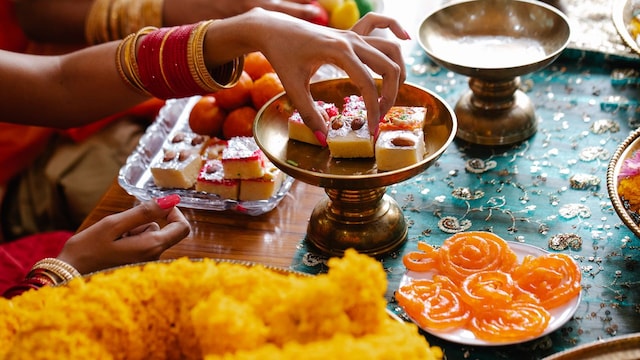
Festive celebrations often revolve around food, from fried snacks and rich gravies to sweets and elaborate late-night dinners. While an occasional indulgent meal is unlikely to cause a heart attack in a healthy individual, overeating can become a concern for people with underlying coronary artery disease, high blood pressure, diabetes or other cardiovascular risk factors. The issue is not simply how much we eat, but how a heavy meal interacts with the body's existing vulnerabilities.
How a Heavy Meal Affects the Heart
Consuming large amounts of food can affect the amount of blood flow that the digestive system needs. To accommodate these changes, the heart has to work more. While this can happen to many people, in others, who have coronary arteries that are already small, the heart can receive insufficient blood, particularly during periods that have an increased demand. A heavy meal, especially when combined with alcohol, smoking, dehydration or physical exertion, may contribute to the circumstances in which a cardiac event occurs. It is important to understand that overeating does not automatically cause a heart attack; most heart attacks result from a disruption of blood flow through a coronary artery, often following the rupture of an atherosclerotic plaque and formation of a blood clot.
Festive Eating, Alcohol and Hidden Cardiovascular Risks
The composition of a festive meal can also matter. Meals rich in saturated fat, salt and refined carbohydrates may contribute to unfavourable metabolic and cardiovascular effects, particularly when such eating patterns are repeated. A very salty meal can be especially concerning for people with poorly controlled hypertension or heart failure, as excess sodium can promote fluid retention and aggravate symptoms. Alcohol adds another layer of risk when consumed excessively, potentially contributing to abnormal heart rhythms and blood pressure changes. These effects are particularly relevant when people combine prolonged fasting, heavy evening meals and late nights during festive celebrations.
READ | Festive Food Poisoning Or Indigestion? How To Tell The Difference
When Indigestion Could Signal a Cardiac Emergency
One of the biggest dangers is mistaking a cardiac symptom for indigestion. After a rich meal, acidity, bloating and reflux are common. However, a heart attack can also cause discomfort in the upper abdomen, nausea or a sensation of fullness. The distinction cannot always be made by the location of the discomfort or by assuming that symptoms began after eating. Pressure or tightness in the chest, pain spreading to the arm, back or jaw, unexplained breathlessness, cold sweating, dizziness or sudden weakness should never be dismissed as gas. Symptoms may be subtle, particularly in older adults, women and people with diabetes.
If these warning signs occur, seek emergency medical help immediately rather than waiting for an antacid to work. Do not attempt to walk off the discomfort or drive yourself to hospital. Early assessment, including an electrocardiogram and appropriate blood tests, can help identify a heart attack and ensure that treatment is not delayed.
There is also a difference between an isolated episode of overeating and a recurring pattern of festive excess. The latter may disrupt medication routines, worsen blood sugar and blood pressure control, and encourage habits that increase cardiovascular risk over time. People with known heart disease should continue prescribed medication and follow their clinician's advice on salt, fluid intake and alcohol, rather than assuming that a short festive break makes these precautions unnecessary.
Enjoying Festive Food While Protecting Your Heart
Enjoying festive food does not require avoiding every indulgence. Smaller portions, eating slowly, avoiding excessive alcohol and spacing meals more evenly through the day can help prevent the discomfort associated with overeating. People who have been fasting should avoid compensating with an exceptionally large meal. A short, gentle walk after eating may be appropriate for those who feel well, but strenuous activity immediately after a heavy meal is best avoided, particularly in people with known heart disease.
Ultimately, the most important lesson is that a heavy meal should not be treated as a direct or inevitable cause of a cardiac emergency. It may, however, act as a stressor in someone whose cardiovascular health is already compromised. Recognising individual risk factors, maintaining treatment and responding promptly to unusual symptoms are far more important than simply blaming the last meal. Festive celebrations should be enjoyable, but chest discomfort or unexplained breathlessness should never be considered a normal price to pay for a feast.
(By Dr Anjan Siotia, Director of Cardiology at BM Birla Heart Hospital)
Disclaimer: The opinions expressed within this article are the personal opinions of the author. NDTV is not responsible for the accuracy, completeness, suitability, or validity of any information on this article. All information is provided on an as-is basis. The information, facts or opinions appearing in the article do not reflect the views of NDTV and NDTV does not assume any responsibility or liability for the same.