

)
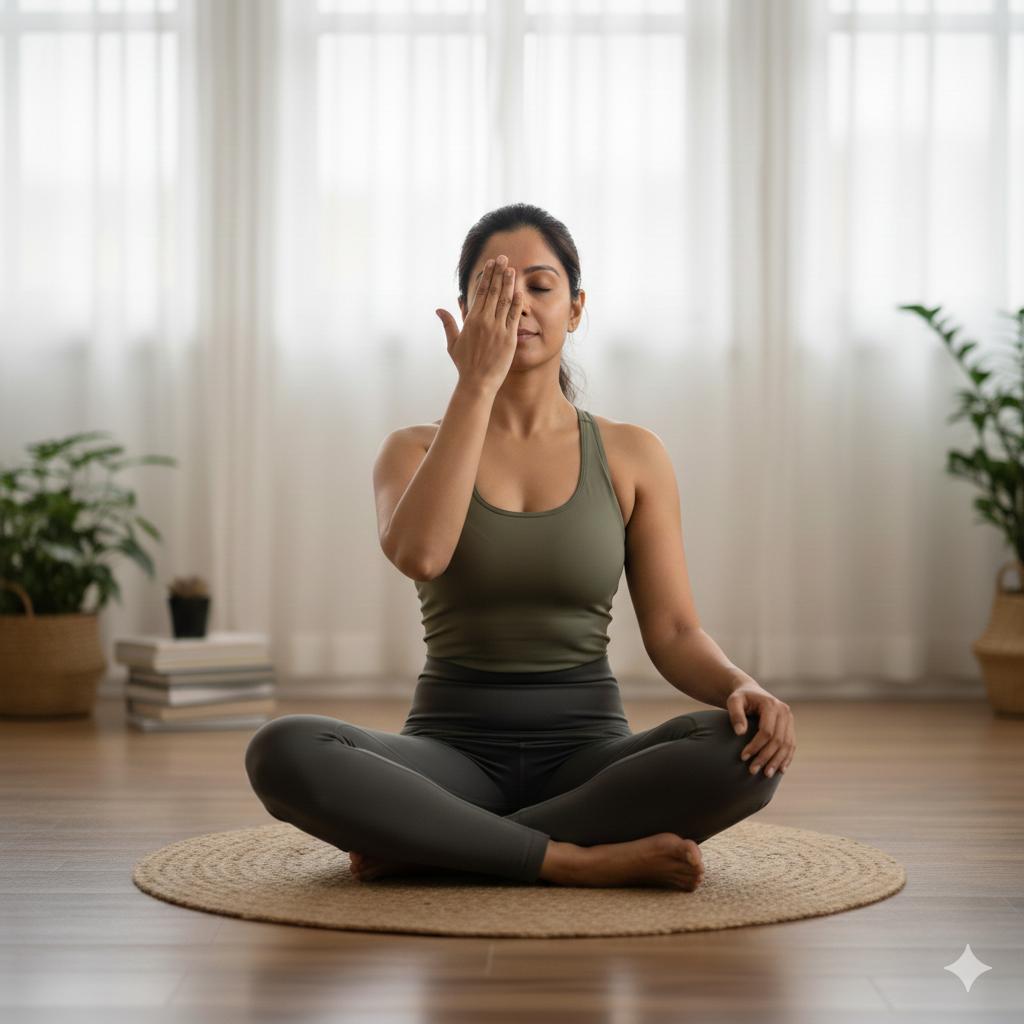
The cold weather conditions along with poor air quality causes several issues, which also includes respiratory problems. All of these issues can make the lungs feel heavy and fatigued, especially in people with asthma, allergies, or a history of bronchitis. Therefore, you should take necessary steps that help to improve your lung health. Practicing Anulom Vilom (alternate nostril breathing) is one of them. It can support better lung health in winter by improving airflow, enhancing lung function, and calming the nervous system. While Anulom Vilom is not a replacement for medical treatment in asthma, bronchitis, or infections, regular practice can be beneficial when done gently and consistently.
Anulom Vilom offers a slow and rhythmic way of breathing which helps to warm and filter the air through the nose. This can be particularly helpful when the outside air is harsh and drying for the airways. This pranayama technique trains the respiratory muscles, improves oxygen exchange, and supports the parasympathetic nervous system, which together can help your lungs cope better with winter stressors.
How to Perform Anulom Vilom Safely?
- Sit comfortably, keeping your spine straight, shoulders relaxed, and eyes closed. Inhale through one nostril while gently closing the other with the fingers, then exhale through the opposite nostril, continuing in a slow, smooth pattern.
- Begin with 5 minutes of gentle practice once or twice a day. Then, gradually work up to about 10-15 minutes if it feels comfortable.
- Practice indoors in a slightly warm room, ideally before meals. Avoid forcing the breath if you have acute infection, high fever, or severe nasal blockage. Consult your doctor if you have moderate to severe asthma, heart disease, or other chronic conditions.
How Anulom Vilom Supports Lung Function?
Research on chronic asthma patients shows that practicing Anulom Vilom for 10 minutes daily over four weeks showed significant improvements in FEV1, which is an important measure of lung airflow, and reduced breathlessness. This indicates that this practice improved lung capacity and eased breathing. Pranayama can also improve lung volume, respiratory strength, and overall pulmonary function, as controlled breathing acts like targeted exercise for the lungs and diaphragm. By promoting deeper inhalations and complete exhalations, it clears stagnant air from lower lung areas.
Winter-Specific Benefits for Lungs
During winter, nasal breathing through Anulom Vilom helps to humidify, warm, and filter the air before it reaches the bronchi. This reduces irritation that cold, dry air can cause in sensitive lungs. Even if you have a mild cold or congestion, gentle pranayama practices can be suitable. This is because these practices can support opening of nasal passages and encourage clearer breathing when done without strain.
When combined with a warm indoor environment, adequate hydration, and steam inhalation, Anulom Vilom can complement winter respiratory care and may reduce the "tight chest" feeling that many experience in cold months.
Nervous System Calming Effects
Alternate nostril breathing boosts parasympathetic activity, and improves autonomic balance, which can lower heart rate and blood pressure. It can also reduce overall physiological stress. It also helps to reduce stress levels, which can aggravate breathlessness and chest tightness in winter. Anulom Vilom can also help people with asthma or anxiety-linked breathing issues feel more in control of their breath.
Additional Tips To Boost Lung Health In Winter
Combine Anulom Vilom with other mild pranayama like simple diaphragmatic breathing and restorative yoga postures that further support respiratory muscles and relaxation. Support your lungs with lifestyle changes. Stay hydrated, avoid exposure to smoke and outdoor pollution when AQI is high. Use a humidifier if indoor air is very dry, and keep vaccinations and medical treatment up to date if you have chronic lung disease.
If you notice persistent wheeze, chest tightness, or reduced exercise tolerance despite regular pranayama, get medical evaluation instead of relying only on breathing practices.
Disclaimer: This content including advice provides generic information only. It is in no way a substitute for a qualified medical opinion. Always consult a specialist or your own doctor for more information. NDTV does not claim responsibility for this information.