

)
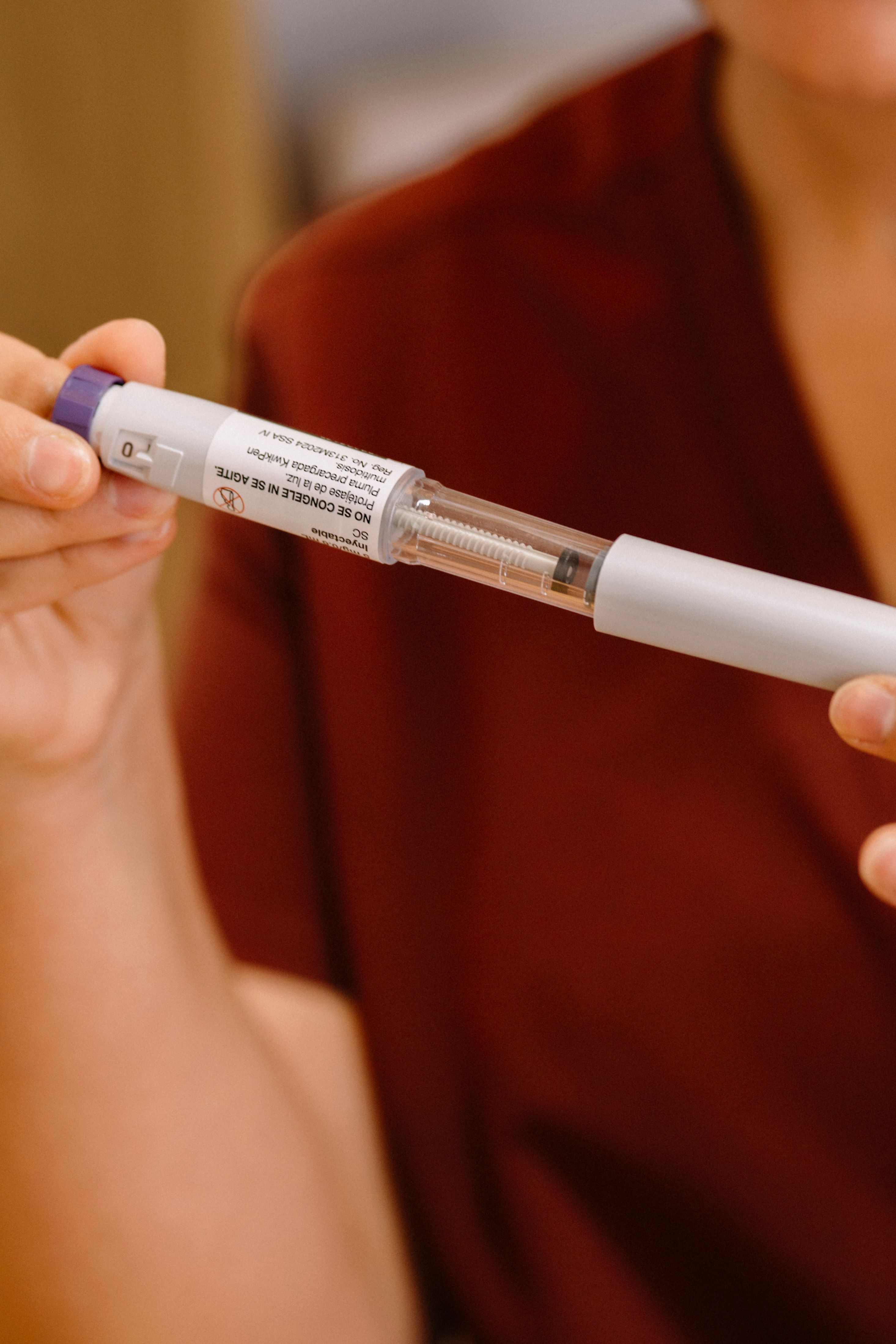
Blockbuster weight loss drugs are once again under scrutiny. GLP-1 medications, including Ozempic, Wegovy, and Zepbound, are facing a wave of lawsuits in the US due to claims that they have caused permanent eye damage in some patients. According to The Wall Street Journal, lawsuits have been filed against Novo Nordisk, the manufacturer of Ozempic and Wegovy, as well as against Eli Lilly, the maker of Zepbound. The lawsuits allege that users were not adequately warned about the potential risk of developing a rare eye condition.
The complaints have mentioned that the use of GLP-1s has resulted in the rare eye condition called nonarteritic anterior ischemic optic neuropathy (NAION).
What is NAION, and how serious is it?
"NAION is sometimes called a stroke of the eye. Blood flow to the front of the optic nerve drops suddenly, the nerve swells, and the patient loses vision in that eye, usually on waking, without any pain to warn them," explains Dr Shibal Bhartiya, Ophthalmologist, Glaucoma Surgeon, and Director of Ophthalmology at Marengo Asia Hospitals and Research Collaborator, Mayo Clinic, Florida.
NAION happens when the short posterior ciliary arteries do not provide enough blood and oxygen to the important parts of the optic nerve head. In people affected by this condition, the optic nerve is tightly packed in a small space called the scleral canal. Even a small lack of blood flow can cause swelling in the nerve. This swelling acts like a tight area that puts pressure on nearby nerve fibres, leading to the death of retinal ganglion cells. Unlike arteritic anterior ischemic optic neuropathy (AAION), which is caused by giant cell arteritis and needs urgent anti-inflammatory treatment, NAION is not caused by inflammation or blood clots.
"It is rare, estimated at somewhere between 2 and 10 cases per 100,000 people over 50 each year. But for the person it happens to, it is devastating. There is no meaningful recovery in most cases, and a patient who develops NAION in one eye carries roughly a 15 to 20 per cent risk of the second eye being affected within five years," Dr Bhartiya explains.
What are the symptoms?
Patients typically notice visual changes abruptly, often upon first opening their eyes in the morning:
- Sudden vision loss
- Losing the lower half of vision
- Reduced or distorted colour vision in the affected eye
- Relative afferent pupillary defect
Can NAION be reversed or prevented?
"No. There is currently no proven treatment that restores vision once NAION occurs. Once the optic nerve fibres have died due to the loss of blood supply (called an infarction), they do not regenerate, and there is no drug, injection or surgery that restores the lost vision. Prevention focuses on identifying high-risk individuals, particularly those with diabetes, hypertension, high cholesterol or a crowded optic disc."
"Anyone taking a GLP-1 drug who develops sudden vision loss, dimming or a blind spot in one eye should seek urgent ophthalmic assessment," explains Dr Bhartiya.
How do GLP-1 drugs affect the eyes and cause vision loss?
"The drug at the centre of this, semaglutide, and its cousin tirzepatide, were never designed to touch the eye. The concern is indirect. These drugs shift blood sugar, blood pressure and weight fairly quickly, and the optic nerve depends on a fragile blood supply that does not always tolerate rapid change well," the expert adds.
Researchers have proposed that rapid metabolic and vascular changes may contribute in susceptible individuals, but the mechanism remains uncertain.
"The specific injury being reported is non-arteritic anterior ischemic optic neuropathy, or NAION. A large 2024 cohort study from Massachusetts Eye and Ear, published in JAMA Ophthalmology, found semaglutide use associated with a markedly higher risk of NAION in both diabetic and obese patients. Two independent Danish-Norwegian registry studies published in late 2024 reached a similar conclusion, roughly doubling the risk compared with other diabetes drugs. A newer 2026 analysis in the British Journal of Ophthalmology found the signal stronger for Wegovy than for Ozempic. None of these studies proves causation on their own, but the pattern has now shown up in enough independent datasets that regulators have stopped calling it a coincidence," she adds.
Disclaimer: This content including advice provides generic information only. It is in no way a substitute for a qualified medical opinion. Always consult a specialist or your own doctor for more information. NDTV does not claim responsibility for this information.