



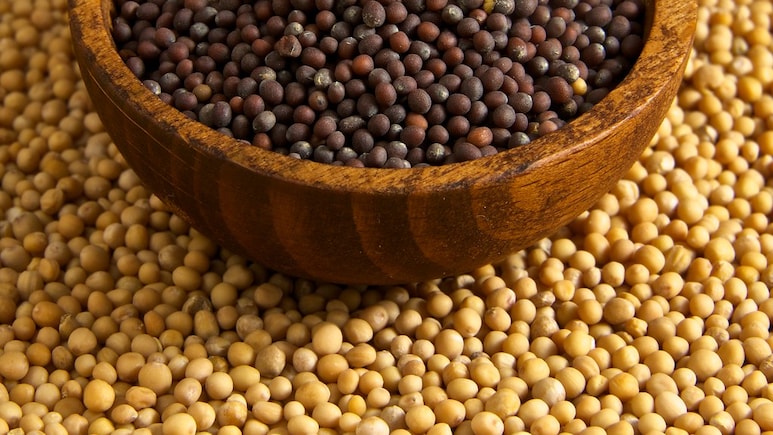
- Mustard seeds belong to the brassicaceae family and are rich in nutrients like selenium and omega-3s
- They reduce inflammation by neutralizing free radicals and lowering pro-inflammatory cytokines
- Glucosinolates in mustard seeds provide anti-inflammatory and antimicrobial benefits for gut health
From the sharp pop of a tadka in dal to the pungent tang of traditional mango pickles, mustard seeds (or sarson ke beej) are staples in the Indian kitchen. While they have long been celebrated for their ability to elevate the flavour profile of a dish, modern science is increasingly turning its lens toward their therapeutic potential. Especially with inflammation, which occurs when the body's internal first responders are activated, emerging as a health threat. It is a natural, protective process designed to heal you when things go wrong. However, the problem arises when this condition persists for a prolonged period, becoming chronic and the root cause of major diseases. With chronic inflammation emerging as a silent driver of major health concerns in India, ranging from painful arthritis to metabolic disorders like diabetes, could these tiny seeds be the answer to the fight against inflammation?
Can Adding Mustard Seeds To Your Diet Reduce Inflammation In Your Body?
Yes, their prolonged consumption can reduce inflammation markers in the body. Before looking at how this ingredient reduces inflammation, mustard seeds and their origin may be behind this. Mustard seeds belong to the brassicaceae family, sharing a lineage with superfoods like broccoli and kale. In India, three primary varieties dominate:
- Black Mustard (brassica nigra): It is known for its intense, sharp flavour.
- Brown Mustard (brassica juncea): The most common variety used in Indian cooking.
- Yellow/White Mustard (sinapis alba): It is milder and often used in spreads or European-style condiments.
Despite their size, these seeds are nutritional powerhouses, as they are rich in selenium, magnesium, and omega-3 fatty acids, along with a unique group of sulphur-containing compounds called glucosinolates.
Read More: 5 Health Benefits Of Nigella Seeds Or Kalonji
How Mustard Seeds Fight Inflammation
Inflammation is the body's natural response to injury or infection. However, when it becomes chronic, it begins to damage healthy tissues. Here is how mustard seeds intervene:
1. Reducing Oxidative Stress
Mustard seeds contain high levels of selenium and magnesium. According to a study published in the Journal of Agricultural and Food Chemistry, mustard seeds exhibit significant antioxidant capacity, helping to neutralise free radicals that trigger cellular inflammation. In fact, some research suggests their antioxidant potential can be even higher than that of certain fruits and nuts.
2. Regulating Inflammatory Markers
A recent review in the Journal of Medicinal Food (2024) highlighted that isothiocyanates, the compounds formed when mustard seeds are crushed, can lessen pro-inflammatory cytokines such as TNF-alpha by as much as 40%. By reducing these chemical signals, the seeds help prevent the inflammatory markers that lead to chronic pain and tissue damage.
3. The Anti-Inflammatory And Anti-Microbial Impact
A study featured in Frontiers in Nutrition (2025) explored the biochemistry of brassica juncea (Indian mustard). It found that the enzymatic breakdown of glucosinolates into allyl isothiocyanate provides potent anti-inflammatory and antimicrobial effects. This is particularly relevant for gut health, as a healthy microbiome is essential for keeping systemic inflammation in check.
Read More: 6 Health Benefits Of Starting Your Day With Soaked Methi Seeds
Traditional Health Benefits Of Mustard Seeds
Ayurveda and the Journal of Ethnopharmacology both indicate that mustard seeds are prized for their heating and penetrating qualities. Here is how they help:
- For Joints: Their heating nature is believed to melt toxins and improve blood circulation to stiff joints.
- For Swelling: A paste of mustard seeds is a time-honoured remedy for reducing localised swelling and congestion.
In a country where arthritis affects millions and lifestyle diseases are on the rise, mustard seeds offer a low-cost, accessible dietary addition. Especially for the following reasons:
- Joint Pain Relief: For the elderly suffering from osteoarthritis, the magnesium in mustard seeds acts as a natural muscle relaxant.
- Metabolic Health: Chronic inflammation is a hallmark of obesity and Type 2 diabetes. Research in the International Journal of Molecular Sciences (2024) suggests that the omega-3 fatty acids in mustard seeds may help improve insulin sensitivity by dampening inflammatory markers in adipose (fat) tissue.
How To Use Mustard Seeds
To reap the anti-inflammatory benefits, the seeds must be prepared correctly to activate their beneficial enzymes. Here are some ways to do so:
- The Perfect Tadka: Heat a teaspoon of mustard seeds in oil until they pop. This process releases the volatile oils and makes the nutrients more bioavailable.
- Homemade Chutneys: Grind brown mustard seeds with coconut, chillies, and curry leaves for a nutrient-dense side dish.
- Roasted Toppings: Lightly dry-roast the seeds and sprinkle them over salads or steamed vegetables for a crunch that packs a punch.
- The Crush Factor: To activate AITC, try crushing the seeds before adding them to cold preparations like raita or dressings.
Daily Intake Tip: An approximate serving of 1 to 2 teaspoons of mustard seeds daily as part of a balanced diet is safe.
Other Health Benefits Of Mustard Seeds
- Immunity Booster: Rich in vitamin C and minerals, they strengthen the body's defence mechanisms.
- Digestive Aid: A study in the Journal of Ethnopharmacology noted a 25% increase in digestive movements in subjects consuming mustard seed extract, aiding in relief from bloating.
- Heart Health: The monounsaturated fats in mustard help maintain healthy cholesterol levels.
Risks And Precautions With Mustard Seeds
While mustard seeds are a culinary staple, more isn't always better. Excessive consumption of mustard seeds can lead to the following problems:
- Gastric Irritation: Excessive consumption (more than 2-3 tablespoons a day) may lead to stomach upset or acid reflux in sensitive individuals.
- Thyroid Concerns: Like other cruciferous foods, mustard seeds contain goitrogens, which may interfere with iodine uptake. If you have a thyroid condition, consult your doctor before significantly increasing your intake.
- Pregnancy: Stick to culinary amounts, as highly concentrated extracts may stimulate uterine contractions.
Mustard seeds are more than just a seasoning; they are a bridge between Ayurvedic studies and modern clinical research. By incorporating these tiny, affordable seeds into your daily meals, you aren't just adding flavour; you're adding a layer of protection against chronic inflammation.
Disclaimer: This content, including advice, provides generic information only. It is in no way a substitute for a qualified medical opinion. Always consult a specialist or your own doctor for more information. NDTV does not claim responsibility for this information.
Track Latest News Live on NDTV.com and get news updates from India and around the world

