

)
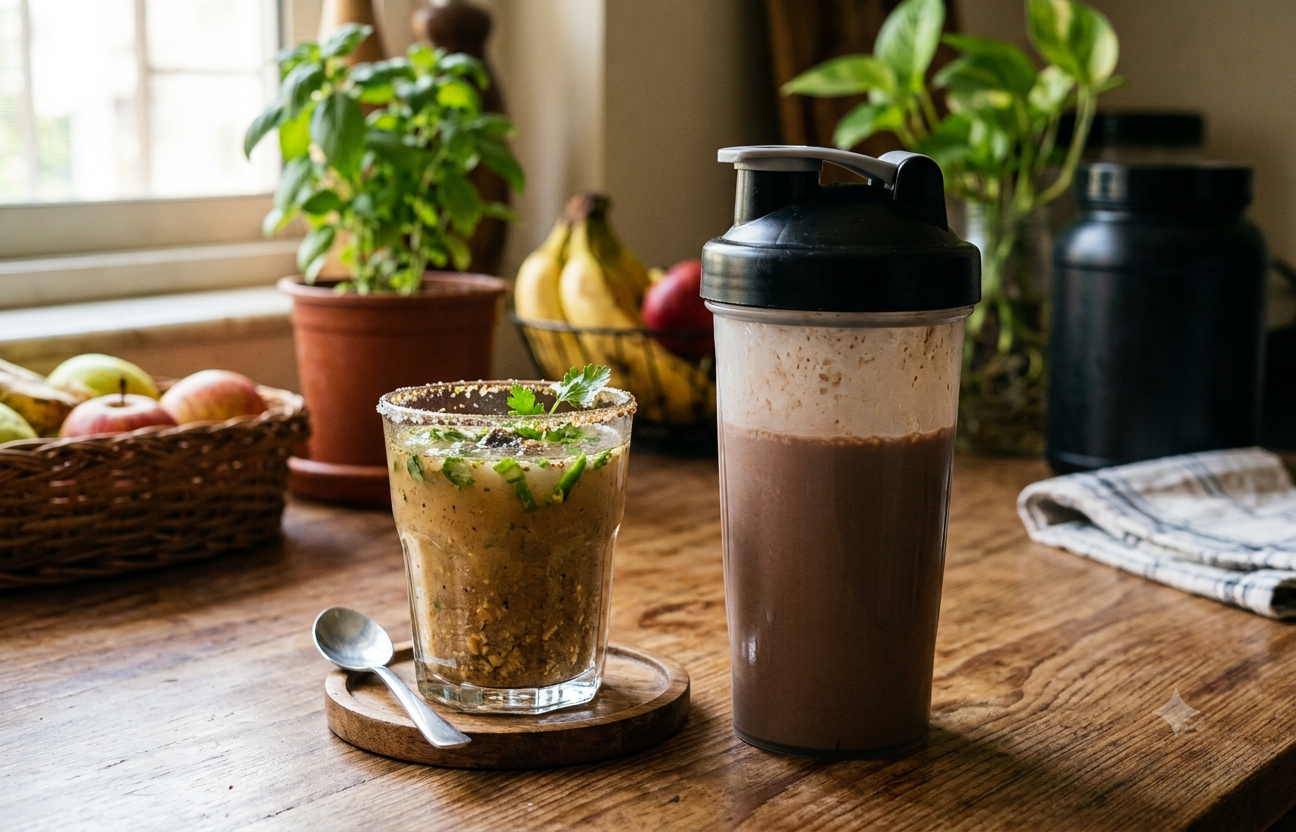
Sattu or roasted chickpea flour is a protein-dense ingredient that has been traditionally consumed for its various health benefits. Many people who are prioritising their health and fitness are looking for such affordable and high-protein ingredients. In order to support muscle recovery after a workout and achieve your daily protein dose with ease, as well as restore energy levels, sattu is beneficial. Research published in the Archives of Current Research International points to about 100g serving of sattu being on par with the effects of a post-workout shake prepared with protein powders.
The high fibre content in sattu may help control hunger after workouts and reduce reliance on highly processed post-workout snacks such as protein bars, electrolyte drinks, and junk food packs. Sattu benefits extend far beyond just providing protein, as it contains magnesium, potassium, and minerals that replenish energy levels, especially in hot weather.
What Exactly Is Sattu?
Sattu is a traditional Indian superfood that is prepared from roasted chickpea flour and is commonly consumed in Bihar, Jharkhand, and eastern India. Mainly, people still prefer drinking sattu in the form of a sharbat, as it is rich in protein, vitamins, minerals, and fibre, but how it is metabolised varies. If you live a highly intense and fast-paced lifestyle where meals are squeezed in between, then you need to prioritise healthy drinks that are nutrient-dense.
How Much Protein Does 100g Of Sattu Provide?
According to the dietary guidelines published by the Indian Council of Medical Research (ICMR) and National Institute of Nutrition (NIN), 100 g of chana sattu contains about 20-22 g of protein. When this is compared with commercially produced whey protein powders used in post-workout shakes for muscle recovery, they contain 70-90 g of protein per 100 g. The exact amount of protein varies by formulation and the brand of protein that you use.
But sattu is most accustomed to the Indian gut for absorption, as it has been used for generations and tested heavily when compared with whey protein powders.
The general dietary recommendation for protein for those who are building muscle is 0.8 to 1 g of protein per kg of body weight.
Note: You can calculate your body's protein needs accordingly, and it is important to consider that you need physical movement to metabolise sattu.
Can Sattu Help With Post-Workout Recovery?
Research published in the Montenegrin Journal of Sports Science and Medicine points to the presence of amino acids in sattu that help with muscle recovery. When an individual is actively trying to build muscle, sattu needs to be a part of their daily routine. Here are the ways that sattu can benefit your post-workout recovery:
- The complex carbohydrates in sattu are ideal for restoring energy levels.
- It can help restore glycogen stores that are necessary for the processing of glucose through the body.
- Sattu drinks can provide increased hydration during hot weather.
Who Can Benefit Most From Sattu After Exercise?
Those who exercise regularly and are actively trying to build muscle need sattu in their diet. Walking enthusiasts and runners who burn a large amount of calories need high-protein sattu to fulfil nutritional needs.
- Vegetarians can also benefit from sattu consumption, as their nutrients are deficient.
- People seeking natural foods that are filled with macronutrients need to make sattu a part of their diet.
May Need More Protein
Those who are bodybuilders, competitive athletes, and those who are focused on muscle gains need sattu in their post-workout recovery routines. Their daily calorie burn is immense, which requires immediate protein replenishment.
Best Ways To Consume Sattu After A Workout
Sattu can be consumed in various ways after a workout, as it can have health benefits for muscle recovery and energy levels. People can drink sattu with:
- Sattu drink with water and lemon.
- Sattu smoothie with milk
- Sattu with curd and fruit
- Sattu protein bowl with nuts and seeds
Potential Downsides Of Relying Only On Sattu
Sattu should be a part of protein-rich sources, such as plant-based and animal protein sources. But solely relying on sattu for protein can result in the following:
- Lower leucine content than whey protein.
- May not meet higher protein targets alone.
- Portion size considerations.
- Digestive issues if consumed excessively.
There is clear research that points to the benefits of sattu that could replace a post-workout protein shake. For maximum muscle growth, plant-based whey protein is needed due to its bioavailability, but your gut can readily absorb sattu better.
Also Read: Why Do You Feel Hungry Again Within An Hour Of Breakfast?
Disclaimer: This content including advice provides generic information only. It is in no way a substitute for a qualified medical opinion. Always consult a specialist or your own doctor for more information. NDTV does not claim responsibility for this information.