

)
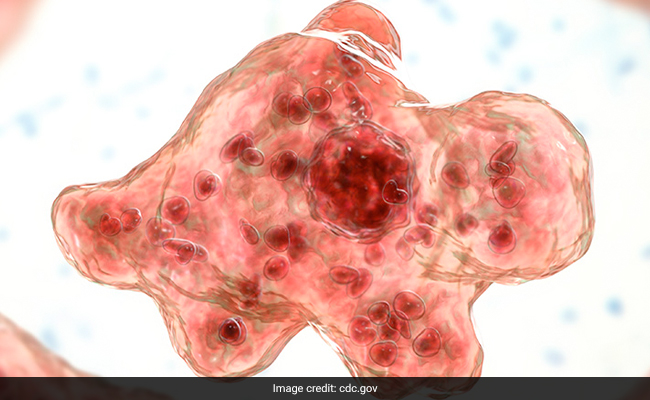
A group of environmental and public health scientists is sounding the alarm about the emergence of free-living amoebas as a growing global health concern, pointing to their ability to survive in extreme environments and evade standard water treatment methods. These microscopic protozoa, found naturally in soil and freshwater ecosystems, are generally harmless. Yet some species, most notably Naegleria fowleri, often dubbed the "brain-eating amoeba", can cause rare but fatal infections, especially when contaminated water enters the nasal passages during recreational water activities. This is highly relevant for Indian public health stakeholders because Naegleria fowleri is known to cause primary amoebic meningoencephalitis (PAM), a deadly fallout that has frequent outbreaks in states like Kerala.
In a recent perspective published in the journal Biocontaminant, researchers led by Longfei Shu of Sun Yat-sen University describe how climate change, deteriorating infrastructure and inadequate monitoring are allowing these microbes to thrive in regions where they were once uncommon. Some species can even tolerate high temperatures and resist disinfectants like chlorine, making them especially difficult to eliminate from drinking water systems and distribution networks.
Even more concerning, free-living amoebas can act as protective hosts for dangerous bacteria and viruses, sheltering them within their cellular interiors and enabling their spread. This "Trojan horse" effect raises new questions about water safety and pathogen transmission, emphasising the need for integrated, One Health-oriented responses.
What Are Free-Living Amoebas and Why They Matter
Free-living amoebas (FLAs) are single-celled eukaryotic organisms that occur widely in natural environments such as soil, lakes, rivers and thermal pools. Unlike parasitic amoebas, they do not require a host to live, but in some cases they can become opportunistic pathogens under specific conditions.
One well-known pathogenic species, Naegleria fowleri, is linked to primary amoebic meningoencephalitis (PAM), a rare but nearly always fatal brain infection. Infection typically occurs when warm, contaminated freshwater enters the nose, from which the amoeba travels along the olfactory nerve to the brain, where it destroys tissue.
Research also shows that other FLAs such as Acanthamoeba spp. and Vermamoeba vermiformis can harbour bacterial pathogens like Legionella pneumophila-the organism responsible for Legionnaires' disease. Within the protective environment of an amoeba, these bacteria can survive water treatment processes and later infect humans under favourable conditions.
The Growing Threat: Climate Change and Water Systems
- Climate and Environmental Drivers: Scientists contend that rising global temperatures and changing precipitation patterns are extending the geographic range of heat-tolerant free-living amoebas. Warmer waters and prolonged summer seasons facilitate their growth, exposing new populations to potential risks. In some regions, recreational waters and poorly treated domestic water supplies may harbour amoebae that would previously have been suppressed by cooler conditions.
- Resistance to Disinfection and Infrastructure Gaps: One alarming trait of these amoebae is their ability to resist standard disinfectants, including chlorine. This resilience means that even treated water can remain contaminated. Amoebae can colonise biofilms and distribution systems, evading purification and making traditional water treatment measures less effective.
Compounding the issue are ageing water infrastructure and limited monitoring in many parts of the world, meaning that microbial contamination can go undetected. Researchers assert that current water quality standards do not adequately account for amoebae and their associated microbial companions, jeopardising public health.
The "Trojan Horse" Effect: Amoebae as Reservoirs of Hidden Risks for Pathogens
Free-living amoebas don't just survive in water, they can also protect other harmful microbes. Studies demonstrate that amoebae can shelter bacteria and viruses within their cells, making them more resistant to disinfection. This phenomenon provides a hidden reservoir for pathogens and can facilitate their spread through drinking water and recreational waters.
In particular, research on amoebae interactions with viruses like norovirus and adenovirus shows that such microbes can persist inside amoebae long after normal treatments would inactivate them, potentially bypassing established safety barriers. This challenges current risk assessments and highlights the need for new strategies in water safety planning.
Public Health Implications and the Call for Action
- Surveillance and Diagnostic Needs: Experts call for expanded surveillance and rapid diagnostic tools capable of detecting free-living amoebae and their associated pathogens in water systems. Current monitoring often overlooks these microbes, meaning outbreaks may go unnoticed until severe infections occur.
- One Health Approach: Scientists emphasise a One Health response that integrates public health, environmental science and water management to mitigate risks. The aim is to develop more accurate detection, improve water treatment technology and establish regulations that reflect the true complexity of microbial ecosystems.
The rise of free-living amoebas underscores a broader challenge at the intersection of climate change, water safety and public health. These resilient microorganisms can survive extreme conditions, evade standard disinfection processes and even shelter dangerous pathogens within their cells. Addressing these risks will require proactive surveillance, advanced diagnostics and integrated strategies drawing on environmental and health sciences. Without decisive action and updated water management policies, free-living amoebas may represent a significant and under-appreciated threat to global health in the years ahead.
Disclaimer: This content, including advice, provides generic information only. It is in no way a substitute for a qualified medical opinion. Always consult a specialist or your own doctor for more information. NDTV does not claim responsibility for this information.