

)
For most people, the meal itself receives all the attention. Calories, carbohydrates, protein and portion sizes often dominate conversations around healthy eating. Yet, what happens immediately after eating also influences how the body responds to that meal. The first 15 minutes after food intake are a period when blood glucose begins to rise, digestive processes become active and hormones involved in metabolism start working. Small lifestyle choices during this window can support these natural processes and, when followed consistently, contribute to better metabolic health over time.
India continues to carry one of the world's largest burdens of diabetes. According to the International Diabetes Federation, more than 100 million adults in India are living with diabetes, while many more have prediabetes or remain undiagnosed. Rising post meal blood sugar is recognised as an important contributor to poor glucose control, cardiovascular risk and long-term complications, even among individuals whose fasting sugar levels appear satisfactory.
What To Do After A Meal: First 15 Minutes
The body's response after a meal depends not only on the food consumed but also on activity levels and posture immediately afterwards. Certain habits can support better glucose utilisation and digestion, while others may increase discomfort or place additional strain on the digestive system.
Simple practices during the first 15 minutes after eating include:
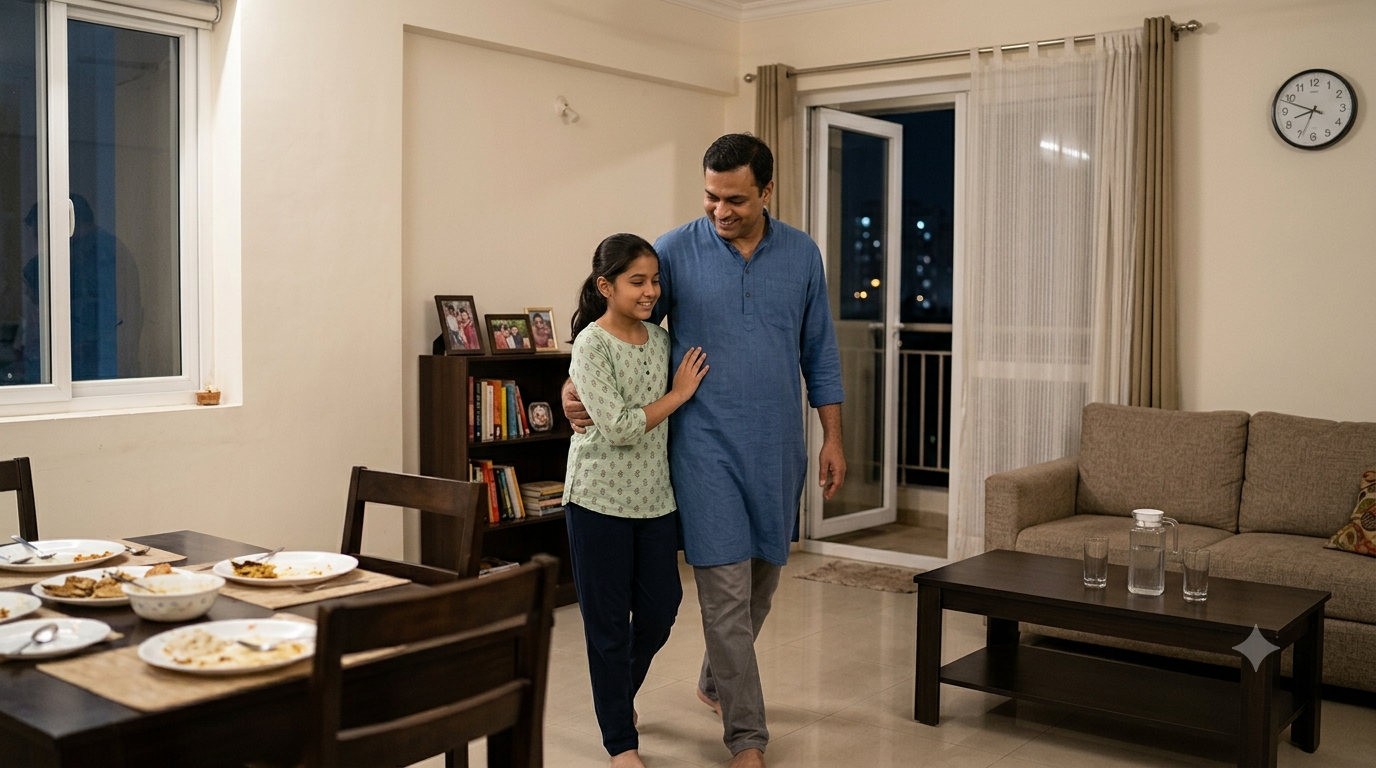
- A gentle walk lasting 10 to 15 minutes at a comfortable pace
- Remaining upright instead of lying down immediately after meals
- Drinking water in moderation according to individual thirst and requirements
- Avoiding vigorous exercise immediately after eating
- Taking a few minutes away from stressful work before returning to regular activities
Walk, Don't Run
Walking after meals is one of the simplest interventions supported by growing scientific evidence. Light muscle activity encourages glucose uptake by skeletal muscles, helping reduce the sharp rise in blood sugar that commonly follows eating. This becomes particularly relevant for people with diabetes, insulin resistance, obesity or metabolic syndrome, but it is equally beneficial for individuals without these conditions as part of long-term preventive care.
The intensity of activity is equally important. The aim is not strenuous exercise. High intensity workouts immediately after meals may divert blood flow away from the digestive tract towards working muscles, potentially causing abdominal discomfort, cramps or nausea in some individuals. Gentle movement provides metabolic benefits without interfering with digestion.
Sit Up Straight After Meals
Posture also plays a role during digestion. Lying down immediately after eating may increase the likelihood of acid reflux, heartburn and regurgitation, particularly in individuals with gastroesophageal reflux disease. Maintaining an upright posture allows gravity to assist the normal movement of food through the digestive tract and supports better digestive comfort.
Hydrate, De-Stress And Relax
Hydration remains important after meals, although excessive water consumption within a short period is unnecessary. Moderate water intake supports normal digestion and overall hydration without affecting digestive processes in healthy individuals.
Another overlooked aspect is the body's response to stress immediately after meals. Returning instantly to demanding work, emotionally stressful situations or prolonged screen exposure may activate stress hormones that can indirectly influence glucose regulation in susceptible individuals. Allowing a brief period of relaxation before resuming work can complement healthy eating habits.
These recommendations become especially significant for people with conditions such as Type 2 diabetes, prediabetes, obesity and polycystic ovary syndrome, where insulin resistance is often present. Repeated spikes in post meal blood glucose over several years can contribute to damage affecting blood vessels, nerves, kidneys, eyes and the heart. Reducing these fluctuations forms an important component of comprehensive diabetes management alongside medication, nutrition and regular physical activity.
Healthy habits after meals should also be viewed alongside broader lifestyle measures. Regular sleep, balanced nutrition, maintaining a healthy body weight and consistent physical activity throughout the week remain the foundation of good metabolic health. The few minutes immediately after eating are not a substitute for these measures but represent an opportunity to strengthen their overall impact.
The benefit of these practices lies in their simplicity. They require no specialised equipment, additional expense or major changes to daily schedules. Small actions repeated after breakfast, lunch and dinner can gradually become part of a sustainable routine, supporting healthier glucose regulation, digestive comfort and long term metabolic wellbeing.
(By Dr. Abhay Inderjit Ahluwalia, Director, Endocrinology, Fortis Memorial Research Institute, Gurugram)
Disclaimer: The opinions expressed within this article are the personal opinions of the author. NDTV is not responsible for the accuracy, completeness, suitability, or validity of any information on this article. All information is provided on an as-is basis. The information, facts or opinions appearing in the article do not reflect the views of NDTV and NDTV does not assume any responsibility or liability for the same.