

)
The liver is a vital organ that plays a crucial role in numerous bodily functions. It is primarily responsible for detoxifying harmful substances, metabolising nutrients, producing proteins essential for blood clotting, and storing vitamins and minerals. Your liver also plays a significant role in regulating cholesterol levels and maintaining a balanced metabolism. When the liver is compromised, it can lead to serious health issues such as liver disease, cirrhosis, or even liver cancer. While eating right, limiting alcohol and staying physically active are crucial to optimal liver health, regular screenings also play a critical role.
Many liver conditions can progress without noticeable symptoms until they become severe or irreversible. Early detection through screenings can help identify liver problems before they lead to significant damage. In particular, individuals at higher risk, such as those with a history of alcohol abuse, viral hepatitis, or obesity, should pay extra attention to regular liver health assessments.
Essential tests for liver health
"Routine liver testing is one of the simplest ways to detect silent liver injury early. As a gastroenterologist, I routinely advise these assessments for anyone with risk factors such as fatty liver, diabetes, obesity, alcohol use, long-term medications, or a family history of liver disease. Below is a clear overview of the core tests and what each one actually tells us," says Dr. Ankur Jain, Associate Director & Unit Head - Gastroenterology, Hepatology & Endoscopy at Max Super Speciality Hospital, Dwarka.
Dr. Ankur Jain further listed the following essential tests for your liver and what these tests actually reveal about your liver health:
1. Liver function tests (LFTs)
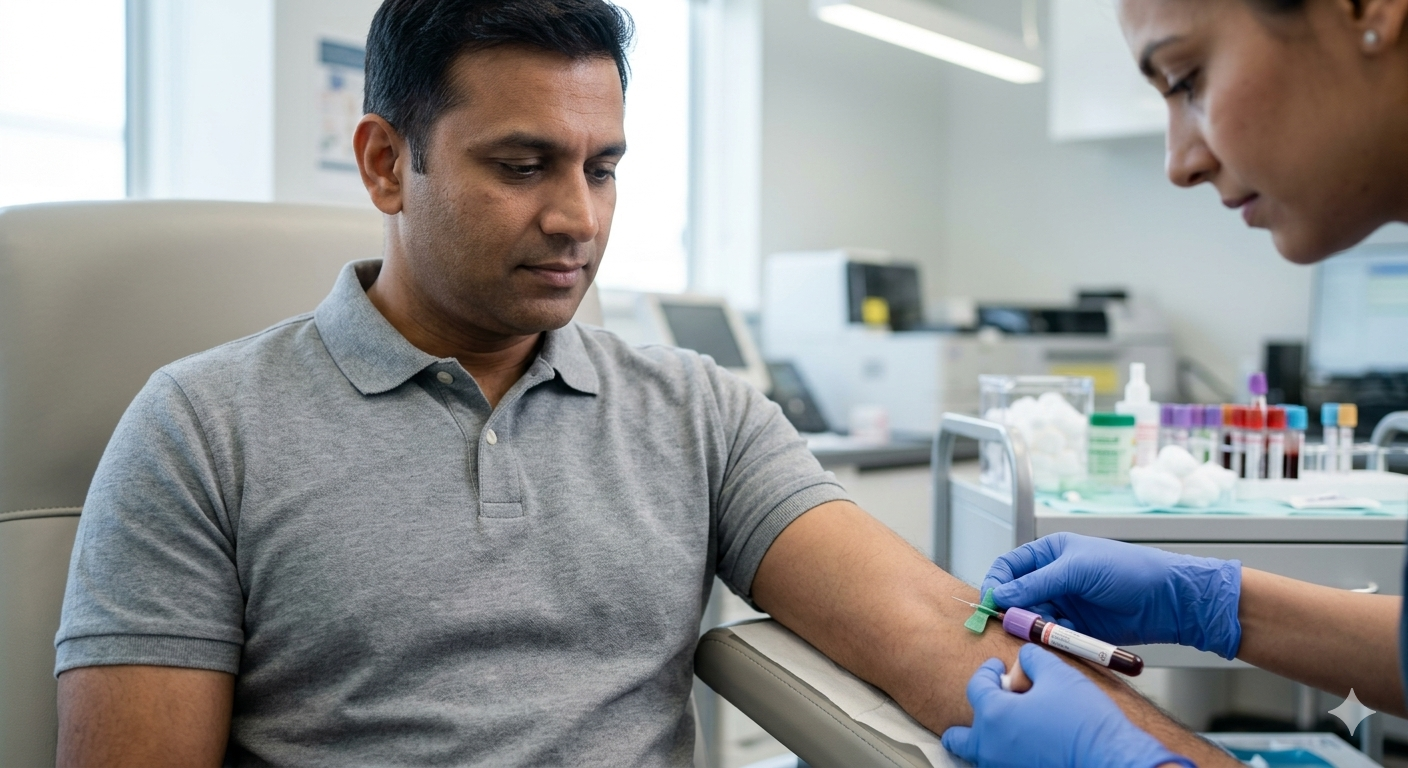
These blood tests measure the levels of various enzymes and proteins in the blood, indicating how well the liver is working and helping to identify any inflammation or damage.
"This is the most common starting point. LFTs include enzymes such as ALT (Alanine Aminotransferase) and AST (Aspartate Aminotransferase). When liver cells are inflamed or injured due to fatty liver, viral hepatitis, alcohol, or medications, these enzymes leak into the bloodstream. Alkaline Phosphatase (ALP) and GGT (Gamma-Glutamyl Transferase) help detect obstruction in the bile ducts, commonly seen in gallstone disease, cholestasis, or autoimmune liver conditions."
"Bilirubin levels reflect the liver's ability to process waste, and albumin, along with Prothrombin Time (INR), provides insight into how efficiently the liver synthesises essential proteins, especially important for assessing chronic or advanced liver disease," explains Dr. Jain.
2. Ultrasound abdomen
A liver ultrasound is a simple, non-invasive imaging tool that helps detect fatty liver, liver enlargement, gallstones, or structural abnormalities. It is often the first step when blood tests indicate liver dysfunction.
3. FibroScan (Transient Elastography)
A specialised test that measures liver stiffness to identify fibrosis or early cirrhosis without a biopsy. It is extremely useful for patients with fatty liver, alcohol-related liver disease, or long-standing metabolic disorders.
4. Viral hepatitis panel
These blood tests screen for Hepatitis B and C, chronic infections that can quietly lead to cirrhosis or liver cancer over time. Early diagnosis allows for timely antiviral treatment.
5. Lipid profile and HbA1c
Although liver tests are not directly related, they are essential because high cholesterol, metabolic syndrome, and diabetes are major contributors to fatty liver disease.
6. Complete blood count (CBC)
A simple CBC test can provide indirect clues. For example, low platelet counts may indicate advanced liver disease or portal hypertension.
"Most liver diseases progress silently for years and are fully treatable when detected early. Simple blood tests and a basic ultrasound can detect liver injury at a stage when it is completely reversible. Regular screening is especially important for anyone with fatty liver, diabetes, or alcohol use," Dr. Jain concluded.
Disclaimer: This content including advice provides generic information only. It is in no way a substitute for a qualified medical opinion. Always consult a specialist or your own doctor for more information. NDTV does not claim responsibility for this information.