

)
Apple cider vinegar is a potent natural remedy for weight loss that is used for its quick effects. The fast-acting nature of this remedy doesn't always mean that it is safe for weight loss, as it can have side effects for certain groups of people. Clinical research such as the European Journal of Nutrition has suggested that apple cider vinegar could cause acidity, reduce potassium levels, interfere with blood sugar for those who have diabetes, nausea, digestive discomfort, and much more. While the side effects of apple cider vinegar are many, knowing why and how it can harm you is necessary before trying it as a weight loss measure. Science has detailed its benefits, but those are limited to its right use and timing as well as individual suitability. Those who are already drinking apple cider vinegar need to focus on knowing when it can turn unsafe to avoid dealing with serious consequences.
What Is Apple Cider Vinegar And Why Is It So Popular?
Apple cider vinegar is produced by fermenting apples with vinegar, and it has multiple health benefits that make it popular. The Frontiers in Nutrition Journal suggests that those with type 2 diabetes can suffer from side effects such as reduced fasting blood sugar and HbA1c levels, while insulin levels could see an improvement.
Common Apple Cider Vinegar Side Effects Everyone Should Know
The Journal of the American Dietetic Association has documented that apple cider vinegar could potentially harm the oesophagus, irritating it. Even in tablet form, apple cider vinegar could have side effects that vary based on its concentration level.
1. Tooth Enamel Erosion
The highly acidic nature of apple cider vinegar can cause the uppermost layer of your teeth to erode, leading to increased sensitivity, pain, and susceptibility to developing cavities.
2. Stomach Irritation And Nausea
Those who have a sensitive digestive system can suffer from side effects such as stomach irritation and nausea. The Frontiers in Nutrition journal mentions that the presence of acetic acid in it could delay gastric emptying and become the cause of nausea, bloating, fullness after eating, and increased stomach discomfort.
3. Delayed Stomach Emptying
The pace at which the food moves through the digestive system could see a slowdown from the intake of apple cider vinegar. This side effect is even more enhanced when the dilution of apple cider vinegar doesn't happen, or large unregulated doses of it are consumed.
4. Throat Irritation
The Journal of the American Dietetic Association has documented that irritation in the throat is common with the consumption of apple cider vinegar. The acidic nature of the weight loss remedy makes it irritate the oesophagus as it is consumed, and the pungency of it can further cause discomfort.
5. Low Potassium Levels
A significant health risk associated with apple cider vinegar is related to low potassium levels, or hypokalaemia, which could result in osteoporosis. There was a case of a 28-year-old woman who developed this health issue, as per Nephron Journal, which suggests that chronic excessive apple cider vinegar could deplete potassium levels.
Who Should Avoid Drinking Apple Cider Vinegar Completely?
Consumption of apple cider vinegar should be avoided by people who are dealing with medical issues, as it can further irritate the throat, cause digestive discomfort, and even make certain organ functions worse.
1. People With Acid Reflux
Those who have acid reflux or gastrointestinal issues can suffer from symptoms such as acidity or gastric discomfort from apple cider vinegar intake.
2. Individuals With Gastritis Or Stomach Ulcers
People who have gastritis or stomach ulcers can suffer from too much irritation, as the acetic acid in apple cider vinegar can interfere with the digestive tract.
3. People With Chronic Kidney Disease
The European Journal of Nutrition has suggested that the excessive amounts of acid in the body can put undue stress on kidney function. If those who have compromised kidney function due to chronic kidney disease start consuming apple cider vinegar, then their kidneys can't handle it.
4. Those Taking Diabetes Medications
The potent nature of apple cider vinegar can cause blood sugar levels to drop, which can prove dangerous for those with diagnosed diabetes.
5. People On Diuretics
The Nephron Journal has pointed out that those who are already on diuretics can suffer from further potassium depletion.
6. Individuals Taking Digoxin Or Heart Medicines
The risk of medication interference is linked to intake of apple cider vinegar due to its ability to lower potassium levels.
7. People With Tooth Enamel Damage
Those who already have eroded enamel can suffer from further damage from consuming apple cider vinegar.
Apple Cider Vinegar and Medication Interactions
Research in the Frontiers of Nutrition journal mentions that apple cider vinegar can interfere with medications that can be prescribed for medical conditions.
1. Diabetes Drugs
Specific medications such as insulin, metformin, and sulfonylureas can interfere with apple cider vinegar.
2. Diuretics
The intake of diuretics can increase loss of potassium that is needed in the body for vitamin balance. Consuming apple cider vinegar can cause extreme potassium deficiency, which can lead to symptoms such as muscle cramps, weakness, fatigue, and irregular heartbeat in severe cases.
3. Heart Medications
Digoxin is likely to cause side effects as potassium levels fall, and excessive apple cider vinegar can cause serious health complications.
4. Laxatives
Apple cider vinegar is a potent laxative that can prove dangerous if taken with any other laxative. Medical supervision may be necessary for safe usage, as unsupervised intake is dangerous.
Can Apple Cider Vinegar Be Dangerous If Consumed Daily?
Yes, daily intake of apple cider vinegar is dangerous, as dilution of the drink that has mother vinegar is necessary. The presence of mother vinegar, which needs to be diluted, needs to be followed to regulate its effect.
Approximately, a 1:1 ratio of dilution needs to be followed with mother vinegar-infused apple cider vinegar.
The long-term consumption of apple cider vinegar needs a nutritionist's or dietician's advice, as not everyone needs to consume it to lose weight.
Is Apple Cider Vinegar Safe For Weight Loss?
The BMC Complementary Medicine and Therapies suggests that the intake of apple cider vinegar could improve fasting blood glucose and total cholesterol levels, which could support weight loss.
These benefits are limited, and side effects are many, as most people struggle to correctly consume apple cider vinegar for weight loss.
Note: Clinical research details that only 1 to 2 tablespoons of apple cider vinegar should be consumed with dilution in water.
Tips For Safer Consumption
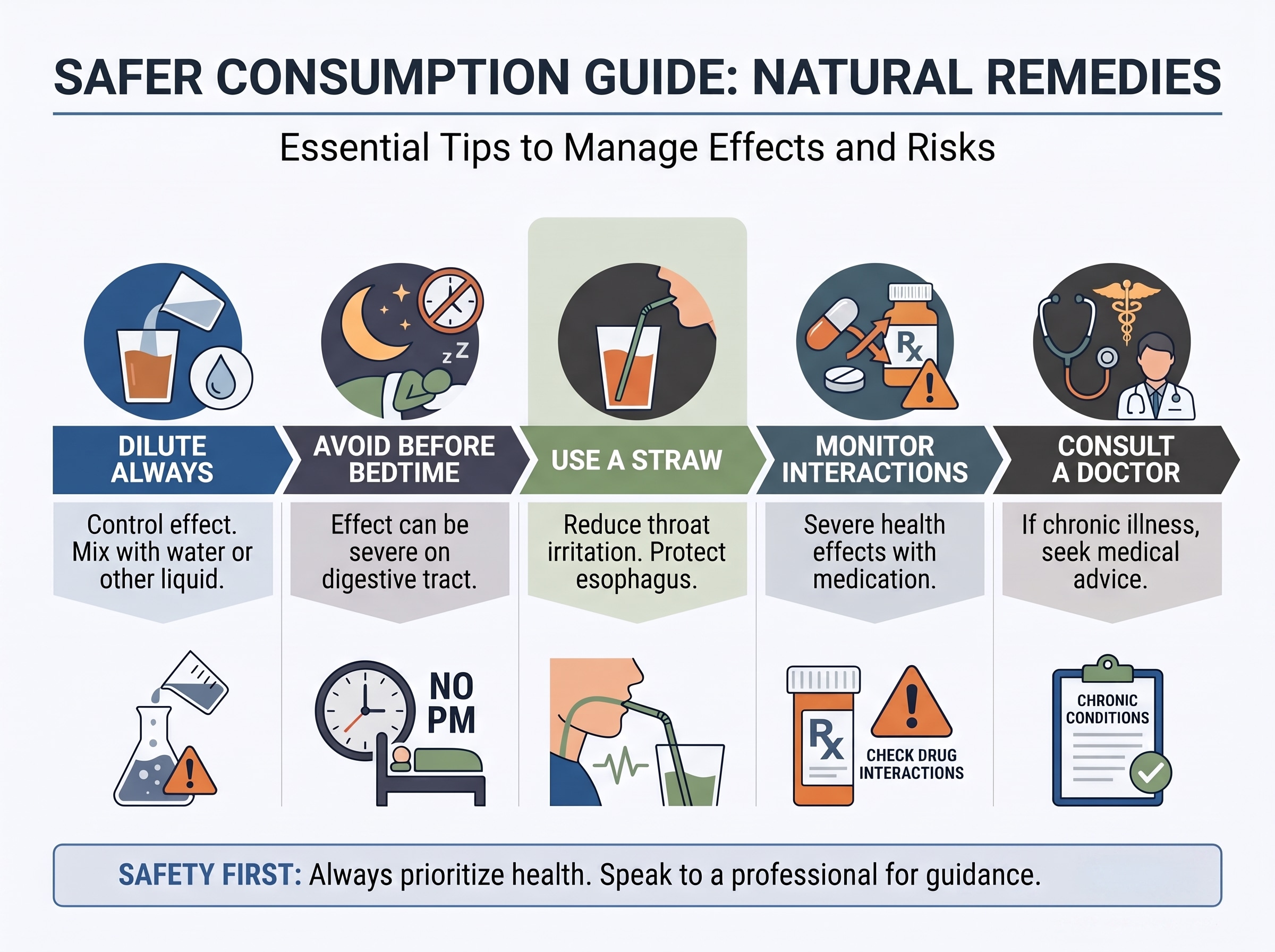
There are tips that need to be followed for safe consumption, as it is a highly pungent natural remedy. Here is what you need to know:
- Always dilute to control the effect of the drink on your digestive tract.
- Avoid before bedtime, as the effect on the digestive tract can be severe.
- Use a straw when possible to reduce irritation in your throat.
- Monitor medication interactions, as severe health effects can happen.
- Consult a doctor if you have chronic illnesses to avoid serious health side effects.
When To Seek Medical Help
Medical help should be taken upon apple cider vinegar consumption if you experience any of these signs:
- Severe abdominal pain
- Persistent vomiting
- Difficulty swallowing
- Symptoms of low blood sugar
- Severe acid reflux
Apple cider vinegar can offer health benefits but has side effects that need to be kept in mind. Regular use of it should be avoided by those who are dealing with medical conditions, as it can trigger health issues.
Also Read: Is Taking Apple Cider Vinegar Before Breakfast Helpful For Diabetics?
Disclaimer: This content including advice provides generic information only. It is in no way a substitute for a qualified medical opinion. Always consult a specialist or your own doctor for more information. NDTV does not claim responsibility for this information.