





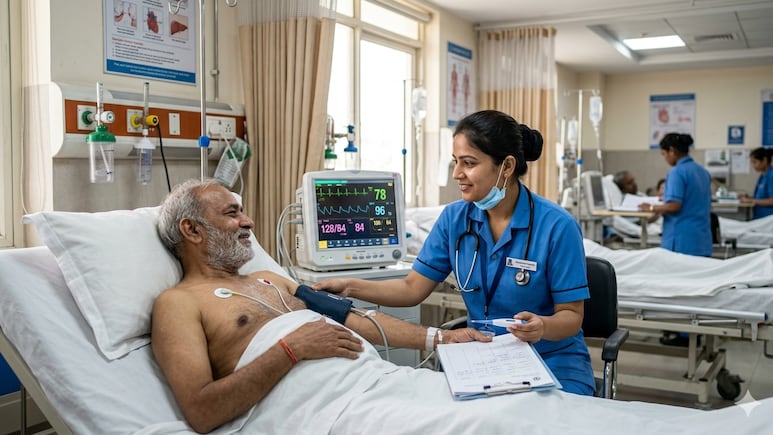
- Nurses worldwide play a key role despite a 5.8 million global shortage
- They emphasize prevention through lifestyle changes and early health checks
- Four key health pillars: physical activity, nutrition, smoking cessation, sleep
Nurses are one of the most trusted and experienced healthcare professionals. Despite the worldwide nurse shortage of 5.8 million, almost 29.8 million nurses around the world play an important role in caring for patients and supporting health systems. Over the years, nurses have a special insight into the factors of health that are not just the result of treatment, but of daily living and timely care. They frequently feel that simple lifestyle changes and preventive health checks can have a significant impact on improving outcomes and wellbeing, and that this benefit can be realised early in life. Nurses recognize that prevention and early intervention can be the best approach to ensure long-term health.
The practical knowledge gained from professional training and experience, and combined with the insights gained here, are relevant for all. Nurses, who work with patients and families daily and in a variety of settings, have a unique insight into what it will take to be healthy. The message is very clear: prevention is possible in small steps that make a difference, and good health is one of the greatest investments we can make.
The Habits That Actually Work
The health practices nurses trust is shaped not by, passing wellness trends but by years of firsthand experience at the bedside.
Blood pressure is more than a number, it is a pattern that tells a story over time. Nurses know that one high reading may be temporary, but a consistent upward trend can signal serious health risks. Having witnessed the long-term effects of uncontrolled blood pressure, they understand the importance of monitoring it early and managing it consistently.
A study identifies four modifiable pillars as fundamental to preventing multiple long-term conditions: physical activity, nutrition, smoking cessation, and sleep. Nurses take these seriously because they have watched what happens when any one of them slips.
In practice, this translates to:
- Diet: The Dietary Approaches to Stop Hypertension (DASH) eating plan, built around fruits, vegetables, whole grains, and low-fat dairy, while cutting back on salt, red meat, and added sugars. Potassium-rich foods feature consistently on the plate.
- Movement: Structured physical activity, including isometric exercises with documented cardiovascular benefit, treated as a health essential rather than an optional extra.
- Sleep: Protected with the same rigour applied to any clinical priority, non-negotiable, not bargained away when schedules tighten.
- Symptoms: When something persists, it gets investigated. That discipline alone separates the nursing household from most people's approach to their own health.
The Hidden Cost of Caring for Others
Maintaining those habits is straightforward in principle. In practice, it depends on something that does not always receive enough attention: the mental health and wellbeing of the nurses themselves.
In India, research points to a real and growing challenge. A review of post-pandemic burnout among Indian healthcare workers found rates rising steadily, with measurable increases in anxiety and depression documented across the profession. Longer working hours, stretched facilities, and limited awareness around seeking mental health support have all played a role. These are systemic pressures that many professions face, though the stakes in healthcare make them harder to absorb quietly.
The consequences reach beyond the individual. Burnout has been linked to medical errors and declining care quality, and it contributes to staff turnover in a system where every experienced worker counts.
The Wellness Practices That Follow Them Home
Despite this, experienced nurses carry their clinical discipline into personal life. Mindfulness has emerged as a consistent feature of how they manage the demands of the profession. Research involving nurses in high-pressure hospital environments found a significant positive relationship between mindfulness practice, work-life balance, and sense of connection to their work. Those who practised it reported higher job satisfaction and lower burnout, and found it easier to keep professional pressure from overrunning everything else.
The same principles extend to family life. Meals reflect the DASH framework. Movement is habitual. Persistent symptoms are investigated, not silenced. Sleep is treated as a health input for every household member, protected even when schedules get tight.
The Clarity That Changes Everything
One of the greatest gifts that nurses can give is the skill of observation. Their experience teaches that the point at which health happens is a long time coming, and that it's the repetition of paying attention to the little changes that others might miss that has the greatest impact. This viewpoint fosters an awareness and responsibility for one's own health and wellbeing for persons and families. This information is now more and more readily available to the public. The key is in action, more specifically, consistent and caring action, based upon this knowledge. If they listen to the body's initial messages as much as a healthcare provider would attend to their patients, they will be able to make better decisions, take action earlier, and better ensure their long-term health with confidence.
Ultimately, prevention begins with clarity: the ability to recognize what the body is communicating, understand its significance, and respond at the right time. This awareness can profoundly improve not only individual outcomes, but also the long-term health and well-being of entire families.
(By Capt (Dr) Usha Banerjee, Group Director, Nursing, Apollo Hospitals, New Delhi)
Disclaimer: The opinions expressed within this article are the personal opinions of the author. NDTV is not responsible for the accuracy, completeness, suitability, or validity of any information on this article. All information is provided on an as-is basis. The information, facts or opinions appearing in the article do not reflect the views of NDTV and NDTV does not assume any responsibility or liability for the same.
Track Latest News Live on NDTV.com and get news updates from India and around the world

