

)
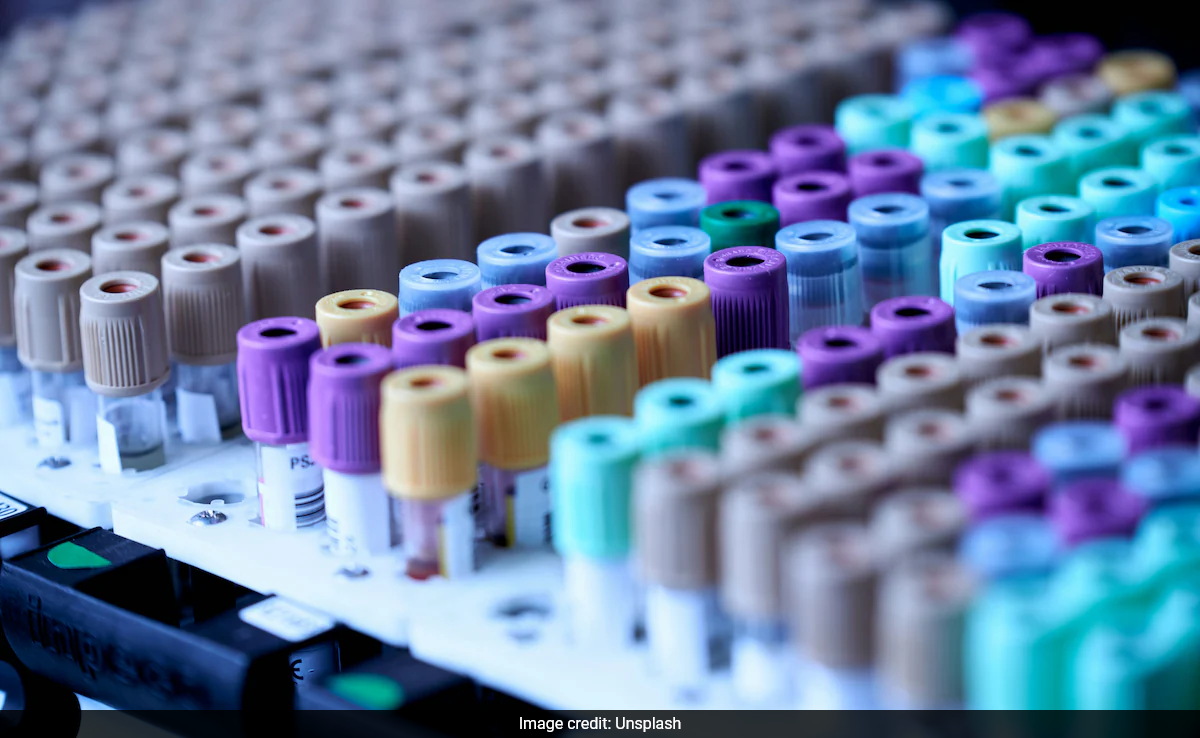
Epilepsy patients receiving treatment at AIIMS will no longer have to rely on private laboratories for critical blood tests, with the institute rolling out free Therapeutic Drug Monitoring (TDM) for anti-epileptic medicines from January 1. The move is expected to ease both treatment delays and the financial strain faced by patients.
The facility allows doctors to measure blood levels of commonly prescribed anti-epileptic drugs to ensure safe and effective dosing. Regular monitoring is crucial in epilepsy care, particularly for patients on multiple medications, as even small variations in dosage can have serious consequences.
"Epileptic patients are highly sensitive, and even minor changes in medication dosage can significantly affect how the drug behaves in the bloodstream. This makes regular monitoring of drug concentration in blood samples essential," said Dr Ashok Sharma, Additional Professor in the Department of Biochemistry.
Dr Sharma said that earlier, the absence of an in-house facility forced patients to rely on private laboratories. "Patients had to pay between Rs 390 and Rs 1,880 per test, depending on the drug. With the introduction of this service at AIIMS Jhajjar, drug-level monitoring is now being provided free of cost to both inpatients and OPD patients," he said.
Under the initiative, AIIMS will offer monitoring for commonly used anti-epileptic drugs such as phenobarbitone, carbamazepine, valproic acid and phenytoin. The AIIMS administration has directed all departments and centres, including the National Cancer Institute in Jhajjar, to send patient samples to the designated in-house laboratory to streamline testing.
Dr Sharma explained that the tests are conducted using a Chemiluminescence Immunoassay (CLIA) system, an advanced laboratory technology that detects substances through light produced during a chemical reaction. The system offers high sensitivity and specificity and is widely used in clinical diagnostics to measure hormones, tumour markers and infectious disease antibodies. Hospital officials said the technology allows precise measurement of drug levels, improving patient safety.
As per doctors in the hospital, Therapeutic Drug Monitoring is critical in epilepsy management, especially as many patients are prescribed multiple drugs over long periods. Regular testing helps clinicians optimise seizure control while minimising side effects and drug toxicity.
The free service is available to both admitted patients and those visiting the outpatient department. OPD sample collection at AIIMS Delhi's Collection Centre, Room number 3, is conducted between 8:30 am and 1:00 pm, with the same facility extended to patients at AIIMS' National Cancer Institute in Jhajjar.
Hospital officials said the move is expected to improve treatment adherence, enable safer long-term management of epilepsy and reduce out-of-pocket expenditure for patients and their families.
Disclaimer: This content including advice provides generic information only. It is in no way a substitute for a qualified medical opinion. Always consult a specialist or your own doctor for more information. NDTV does not claim responsibility for this information.