

)
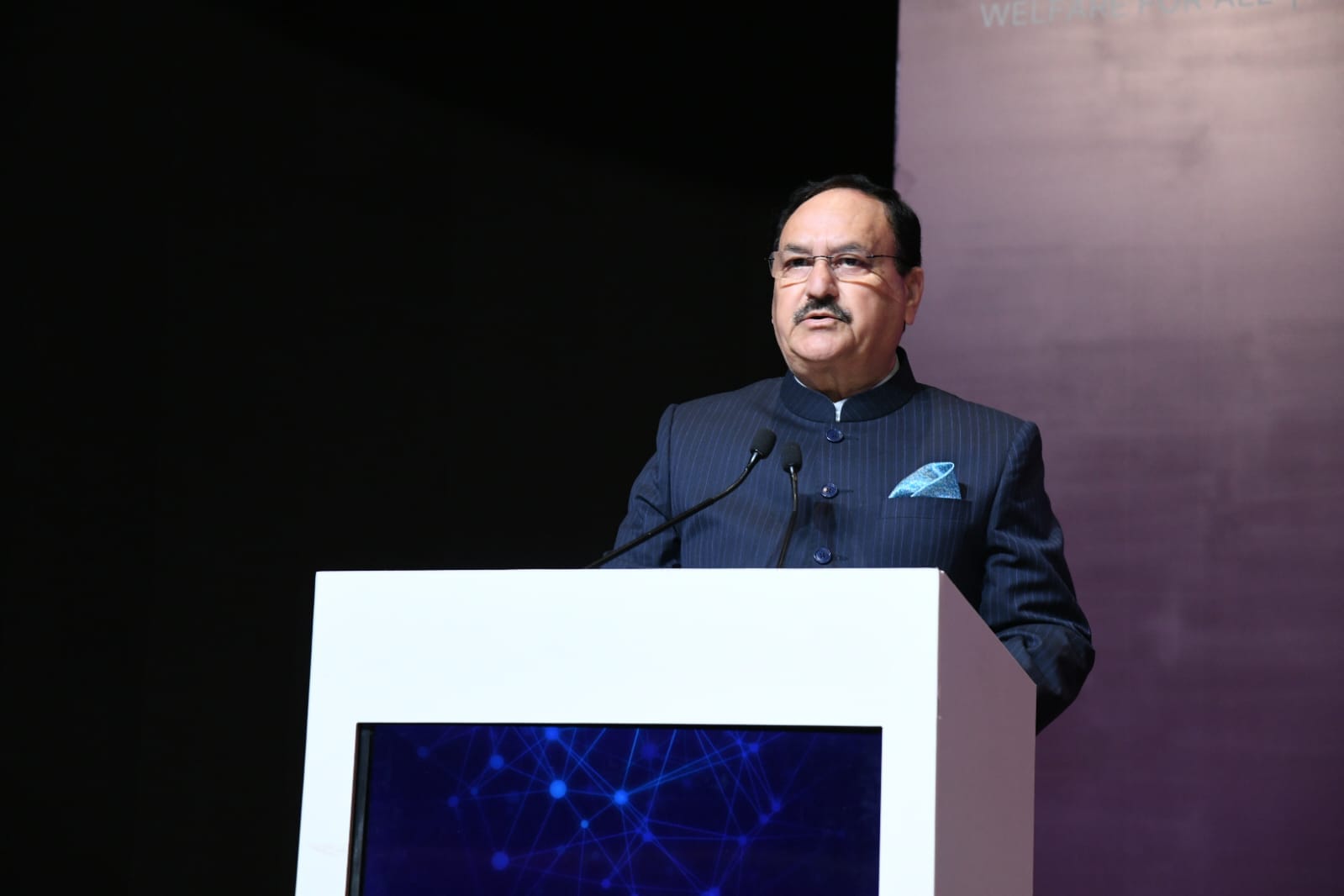
New All India Institutes of Medical Sciences (AIIMS) should progressively establish world standards in patient care and medical education, while preserving the institutional ethos associated with the AIIMS system, Union Health and Family Welfare Minister J.P. Nadda said on Friday.
Addressing the ‘Leadership Conclave' for the Presidents and the Executive Directors of new AIIMS, convened by the Ministry of Health and Family Welfare, the minister emphasised that the conclave is both contextual and relevant in the present phase of expansion of the AIIMS network.
He stated that a balanced approach must be maintained among patient care, teaching, and research, with a clear focus on strengthening a patient-centric model.
Nadda underscored the need to institute structured patient feedback mechanisms and to take concrete steps to enhance patient satisfaction.
The minister further stressed the importance of mutual support and structured collaboration so that institutions may grow together in a coordinated manner.
He expressed satisfaction that 20 AIIMS have established a collaborative research consortium to advance coordinated health research aligned with national priorities, and stated that institutional leadership must blend administrative efficiency with academic excellence to guide this initiative effectively.
The minister called for moving beyond conventional practices and fostering greater transparency, accountability, and objectivity in decision-making processes.
He urged the adoption of cutting-edge technologies, particularly the integration of Artificial Intelligence in diagnostics and clinical decision-making, and emphasised the need to institutionalise telemedicine services as a regular component of AIIMS functioning.
According to a Health Ministry statement, the minister reiterated that structured mechanisms such as NORCET and the Common Recruitment Examination (CRE) for nursing and non-faculty staff should be conducted regularly, with an emphasis on timely appointments.
"Facilities such as Jan Aushadhi Kendras and AMRIT Pharmacies should be established and maintained in every AIIMS to ensure affordable access to medicines," said Nadda.
He called for developing a structured mechanism for faculty and student exchange between AIIMS and other Institutes of National Importance, with AIIMS playing a leading role in teaching and nursing capacity building.
(Except for the headline, this story has not been edited by NDTV staff and is published from a syndicated feed.)