

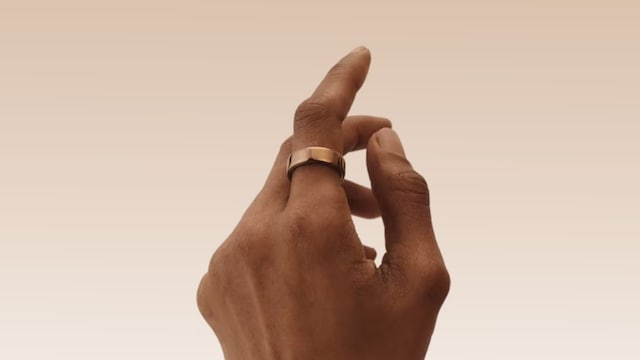
Wearable devices such as smartwatches, fitness bands and smart rings have become popular among people who keep track of their health. These devices can monitor several health parameters, including heart rate, sleep patterns, physical activity and blood oxygen levels. However, the wearable technology industry is now going beyond simply collecting health-related data. Artificial intelligence (AI) is helping these devices analyse the information they gather and turn it into insights that users can understand and act upon.
A recent report highlights how AI-powered health insights and apps are changing the wearable device market. Instead of showing users numbers and graphs, companies are now focusing on personalised recommendations, health trends and features that encourage people to engage with their devices regularly.
How Is AI Changing The Way Wearable Devices Track Health?
Wearable devices focused on recording basic health and fitness measurements. Users could check how many steps they had taken, how many calories they had burned, their heart rate and how long they had slept. However, AI is helping users analyse these measurements together rather than treating each reading separately.
For instance, a wearable device can use AI-powered features to study changes in heart rate, sleep duration and physical activity over several days. It can then identify patterns and provide users with information about their recovery, sleep quality or fitness levels. Some devices also offer personalised suggestions based on these trends.
Wearable Apps Are Becoming More Important
According to Sensor Tower's State of Wearable Technology 2026 report, competition in the wearable industry is shifting towards companion apps. These applications help users understand the information collected by their devices and access personalised health insights.
The report found that wearable technology apps recorded 244 million downloads globally in the first three quarters of 2026. Their in-app purchase revenue also increased during the same period.
These findings highlight that people are interested in using apps alongside their wearable devices. The focus is no longer limited to purchasing a smartwatch or fitness band. The software that interprets the collected information is becoming an equally important part
Why Are Smart Rings And Screenless Wearables Gaining Attention?
Another important development is the growing popularity of smart rings and screenless fitness bands. Unlike traditional smartwatches, these devices may not have a display where users can immediately check their readings. Instead, they depend heavily on companion smartphone applications.
Brands such as WHOOP and Oura are using this approach. Their devices collect information about sleep, heart rate, physical activity and recovery, which users can access through their respective apps. In such cases, the app becomes the main place where users understand their health information. AI can help organise different measurements, identify changes over time and present personalised insights.
How Are Different Brands Using AI And Health Insights?
Wearable companies are developing different features depending on the health needs they want to address.
- WHOOP: The brand focuses on athletic performance, recovery, sleep and physical strain. According to Sensor Tower, its users opened the app around six to seven times a day, nearly twice as often as users of other leading wearable apps.
- Oura: Its smart ring tracks parameters such as sleep, activity, heart rate and body temperature. The brand also focuses on longer-term health monitoring, including cardiovascular and women's health.
- Apple: The Apple Watch Series 12 uses more frequent heart rate and heart rate variability measurements to generate a readiness score. Its Health app also uses Apple Intelligence to highlight health information and longer-term trends.
- Google: The Pixel Watch 5 introduced Health Guardian features that include monthly summaries of blood pressure, sleep breathing quality and insulin resistance trends, using Google's health models.
- Gabit: This Indian brand offers a smart ring that tracks fitness, nutrition, sleep and stress. Its companion app brings different health measurements and provides fitness and nutrition plans.
The wearable industry is moving towards a model where collecting health data is only one part of the experience. AI-powered analysis, personalised insights and companion apps are becoming increasingly important. As this develops further, its ability to make health information easier to understand could play a major role in shaping the future of wearable devices.
Disclaimer: This content including advice provides generic information only. It is in no way a substitute for a qualified medical opinion. Always consult a specialist or your own doctor for more information. NDTV does not claim responsibility for this information.