





- Centella asiatica's compound madecassic acid can stop antibiotic-resistant bacteria growth
- Madecassic acid targets bacterial protein absent in humans, reducing side effect risks
- Cica skincare products soothe skin but can't replace antibiotic treatments yet
According to the Frontiers in Medicine journal, 36.7% of women have sensitive skin that needs to be taken care of via the use of suitable skincare products. For years, Indian skincare enthusiasts, especially have been obsessing over "Cica", the shorthand for Centella asiatica. It is known for its ability to calm redness and repair the skin barrier; this green herb is the backbone of the Korean skincare popularity in India. However, a groundbreaking new study has pushed this humble plant from the "skincare shelf" to the "science lab". Researchers have discovered that madecassic acid, a primary compound found in Centella asiaticia, possesses the unique ability to stop the growth of dangerous, antibiotic-resistant bacteria, including virulent strains of E. coli. The Korean skincare drug-resistant bacteria could pave the way for better targeted approaches to tackle drug-resistant bacteria.
A Korean Skincare Ingredient Against Superbugs
The global health community is currently facing a "silent pandemic": antimicrobial resistance (AMR). As bacteria evolve to outsmart our current stash of medicines, research warns that drug-resistant infections could cause millions of deaths in the coming decades. This is where the Korean skincare staple steps in.
A recent study reveals that madecassic acid doesn't just attack bacteria in the "traditional" way. Standard antibiotics often work like a sledgehammer, sometimes harming healthy human cells in the process. In contrast, this plant-derived compound targets a specific bacterial protein essential for the microbe's survival, which is a protein that simply does not exist in the human body.
By focusing on a target that humans don't have, madecassic acid offers "sniper-like" precision. This could lead to treatments that effectively neutralise "superbugs" while significantly reducing the risk of side effects for the patient.
Also Read: Antibiotic Aftermath: 5 Science-Backed Ways To 'Reseed' Your Gut Bacteria
Can Your Face Cream Treat An Infection?
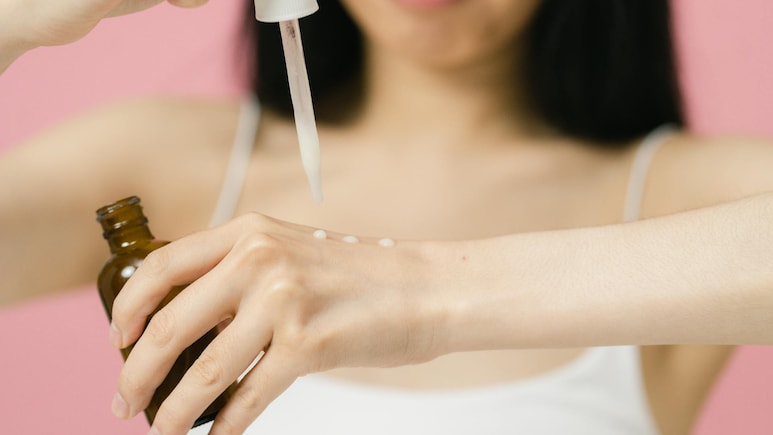
With the surge of K-beauty in India, you likely have a "Cica" serum or cream in your bathroom right now. But before you reach for your moisturiser to treat a wound, it is vital to understand the difference between cosmetic application and drug development.
In a skincare product, madecassic acid is formulated in low concentrations designed to penetrate the upper layers of the skin to soothe inflammation. In a laboratory setting, scientists are looking at the pure, concentrated molecule to see if it can be synthesised into a potent internal medicine.
While the lab results are exciting, they do not mean your face cream is a substitute for an antibiotic. Transforming a plant extract into a shelf-ready drug involves rigorous clinical trials to determine dosage, safety, and delivery methods.
Why Indian Skincare Users Should Pay Attention
India has seen a massive boom in K-beauty, largely because the Indian skin types often struggle with "maskne", pollution-induced sensitivity, and heat-related irritation, all of which Centella asiatica addresses.
The fact that Indian consumers are already familiar with "Cica" makes this scientific breakthrough feel personal. People are seeing a shift where plant-based, reparative ingredients are no longer seen just as "traditional home remedies" (like the Gotu Kola used in Ayurveda for centuries) but as legitimate candidates for future pharmaceutical breakthroughs.
Also Read: Algae And Yeast For Skin? Biotech Skincare Could Compete With Korean Trends Any Day; Here's How
What This Discovery Does Not Mean
In the age of viral health trends, it is easy for information to be taken out of context. Here is what you need to keep in mind:
- Not a DIY Cure: You cannot treat a bacterial infection by applying skincare products.
- Years Away: While the discovery is a "breakthrough", it usually takes years of testing before a lab discovery becomes a prescription drug.
- The AMR Crisis: This study is a beacon of hope, but the fight against drug-resistant bacteria still requires people to use current antibiotics responsibly.
This study serves as a powerful reminder that the secrets to the next generation of life-saving medicines might be hiding in plain sight or, in this case, in daily skincare routines. It validates the "clean beauty" movement's focus on botanical powerhouses while emphasising the need for high-level scientific validation.
As people move forward, the intersection of K-beauty innovation and global health research will likely yield more surprises. For now, you can continue to enjoy your Cica cream for its barrier-repairing magic as Korean skincare could tackle drug-resistant bacteria, knowing that the science behind it might one day save lives on a much larger scale.
Disclaimer: This content, including advice, provides generic information only. It is in no way a substitute for a qualified medical opinion. Always consult a specialist or your own doctor for more information. NDTV does not claim responsibility for this information.
Track Latest News Live on NDTV.com and get news updates from India and around the world

