





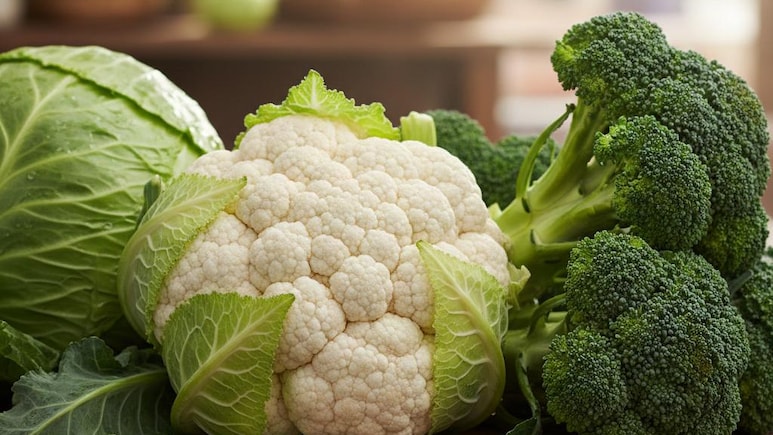
- Bloating can occur despite eating healthy due to body reactions and eating habits
- Cruciferous vegetables like broccoli contain raffinose causing gas when fermented
- Beans and lentils have oligosaccharides that can cause bloating if increased suddenly
Bloating is one of the most common gut complaints today. You eat what looks like a “healthy” meal, and within minutes, your stomach feels tight, heavy or uncomfortable. It can be confusing. After all, you are doing the right things – more fibre, more fruits, more clean eating. So why does your gut still feel off?
The answer is not always about eating the wrong foods. Sometimes, it is about how your body reacts to certain foods, how much you eat and how quickly you increase them. Gut health is personal, and even healthy foods can trigger discomfort when not handled right.
Dr Saurabh Sethi, MD, MPH, a gastroenterologist trained at AIIMS, Harvard and Stanford, speaks about this in an Instagram post. He shares a list of common “healthy” foods that can actually cause bloating.
7 Healthy Foods That May Cause Bloating
1. Broccoli, Cauliflower, Cabbage
These are packed with nutrients but also contain compounds like raffinose. Gut bacteria ferment them, which can lead to gas. Raw forms can feel heavier, so cooking them helps.
2. Beans And Lentils
Great for protein and fibre, but also rich in oligosaccharides. If you increase them suddenly, bloating can spike. Soaking and gradual intake make a difference.
3. Dairy (Milk, Soft Cheese, Ice Cream)
Lactose intolerance is quite common. Undigested lactose can cause gas and discomfort. As Dr Sethi suggests, yoghurt is often easier to digest, and hard cheeses have less lactose.
4. Apples And Pears
These fruits contain fructose and sorbitol, which can ferment in the gut. Portion size matters here.
5. Carbonated Drinks (Even Sparkling Water)
You are literally drinking gas. It expands in the stomach and can cause that bloated feeling quickly.
6. Sugar-Free Products
Gums and candies with sugar alcohols like sorbitol and xylitol are not easily absorbed. This leads to fermentation and gas. “Sugar-free” does not always mean gut-friendly.
7. Whole Wheat And High-Fibre Cereals
Fibre is important, but too much too soon can overwhelm your gut. Your system needs time to adapt.
Dr Sethi keeps it simple. “It's not the food. It's the quantity, timing, and gut sensitivity.” You do not need to remove these foods completely. The goal is to understand your body better, adjust portions and introduce fibre slowly. Because most people do not have a “bad gut.” They are just eating the right foods in the wrong way.
Disclaimer: This content including advice provides generic information only. It is in no way a substitute for a qualified medical opinion. Always consult a specialist or your own doctor for more information. NDTV does not claim responsibility for this information.
Track Latest News Live on NDTV.com and get news updates from India and around the world

