

)
Living with joint pain can be difficult as it causes hindrance in your daily activities. But this doesn't mean you don't perform any physical activity or follow a healthy lifestyle. Low-impact workouts are a safe and effective way to stay fit, reduce stiffness, and build strength without the stress of high-intensity exercises on sore knees, hips, back, or other areas. These exercises help in smooth motions and controlled movements, improving circulation, flexibility, and muscle tone around joints. It can also ease daily discomfort, boost energy levels, and enhance overall mobility.
Beyond physical benefits, these exercises also help build mental resilience. Regular movement triggers endorphins, while fostering a sense of accomplishment and calm. Here are some low impact workouts that people with joint pain can practice daily.
Low Impact Workouts For Joint Pain
1. Swimming
Swimming stands out as one of the best low-impact options because water's buoyancy supports up to 90% of your body weight. This eliminates pressure on painful joints. Every stroke engages your arms, legs, core, and back for a full-body workout that serves as excellent cardio. The warm pool helps relax tight muscles, eases stiffness, and promotes better range of motion. Beginners can start with simple strokes like freestyle or backstroke for 10-15 minutes, two to three times a week. Focus on steady breathing, inhale through your mouth, exhale underwater, to maintain rhythm and avoid fatigue. As you progress, try water aerobics that add resistance.
2. Cycling
Stationary biking or gentle outdoor cycling targets the lower body and heart without the jarring impact of running. It strengthens quads, hamstrings, and calves, which act as natural stabilizers for knees and hips. Adjust the seat so your knee has a slight bend at the pedal's bottom to prevent strain. Aim for 20-30 minutes at a comfortable pace, three to four days weekly, gradually increasing resistance as endurance builds. This workout burns calories, improves cardiovascular fitness, and enhances joint lubrication through smooth, circular motions. For variety, incorporate intervals: pedal faster for 30 seconds, then recover slowly. It's perfect for home use with a basic bike or recumbent model, which offers back support for those with spinal issues. Over time, cyclists notice less daily stiffness and better uphill mobility in everyday life.
3. Walking
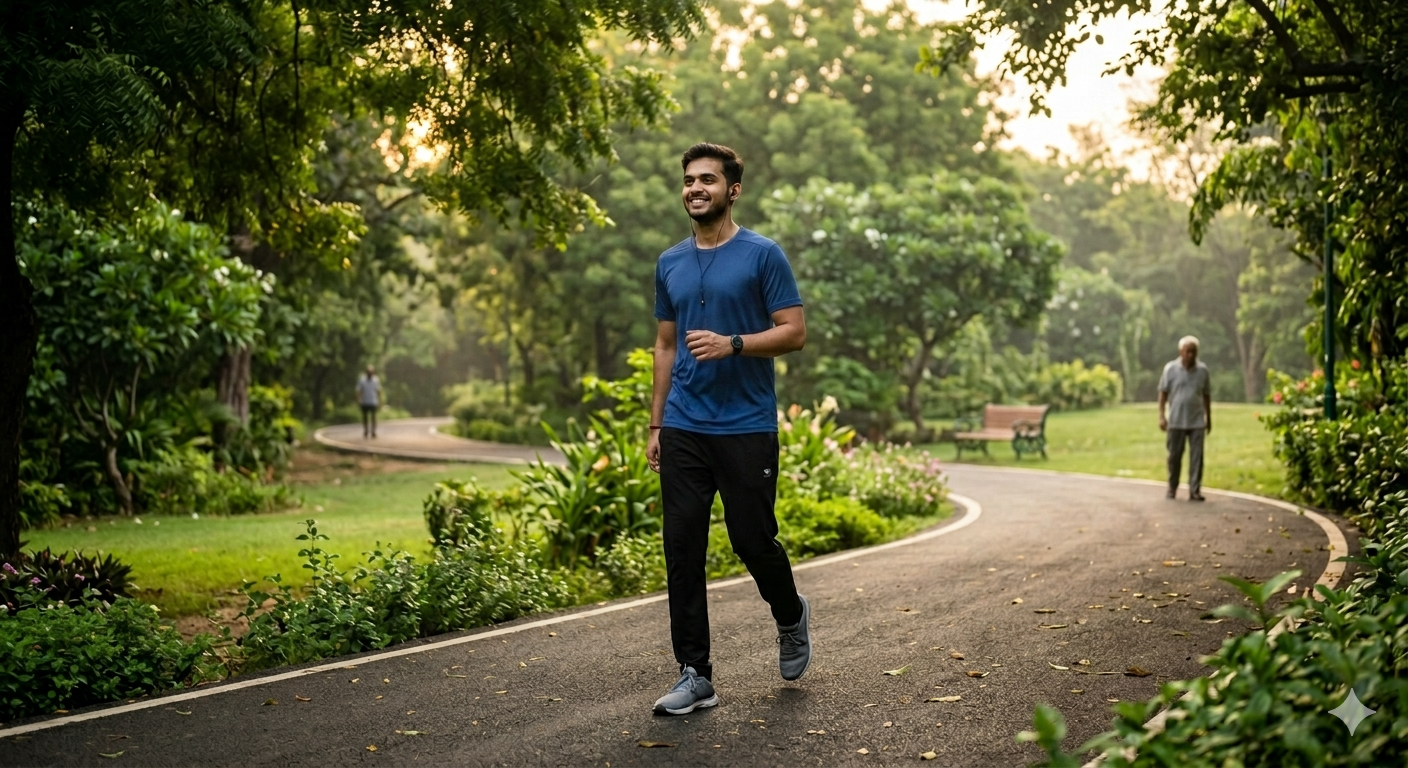
Brisk walking on flat, even surfaces provides cardio that strengthens legs, improves balance, and triggers feel-good endorphins. Unlike high-impact activities, it adds minimal stress on joints while boosting blood flow to reduce morning stiffness. Wear cushioned, supportive shoes and start with 10-minute daily strolls in a park or neighbourhood, building to 30 minutes. Aim for 5,000-7,000 steps initially. This simple habit helps in weight management, which reduces joint load, and fosters mental clarity.
4. Yoga
Yoga poses stretch tight muscles around joints, enhancing flexibility and core stability without weights or jumps. Poses like child's pose, cat-cow, or seated forward bends target hips, back, and shoulders effectively. Practice 15-20 minutes three times a week on a mat, using props like blocks or straps for modifications. Breathe deeply; inhale to lengthen, exhale to deepen, reducing stress that increases pain. Benefits include better posture, reduced inflammation, and mindful movement that prevents injury.
5. Pilates
Pilates focuses on core strength, posture, and precise control to protect joints like the spine, pelvis, and knees. Exercises such as pelvic tilts, single-leg slides, or hundred, helps build deep abdominal muscles without impact. Perform 10-15 reps per move, for two to three sessions weekly. Emphasise on your form; move slowly, engage your center, and stop if you have pain. This method improves body awareness, stabilises wobbly joints, and enhances everyday tasks like bending or lifting.
6. Tai Chi
Tai Chi has flowing, dance-like sequences that shift weight gently, lubricating joints and improving balance. Basic moves like wave hands like clouds or golden rooster mimic walking but slower, ideal for hips and ankles. Follow free videos for 10-20 minutes daily. You will need no gear, just space. The meditative pace calms the mind, lowering pain perception.
Disclaimer: This content including advice provides generic information only. It is in no way a substitute for a qualified medical opinion. Always consult a specialist or your own doctor for more information. NDTV does not claim responsibility for this information.