

)
Autoimmune disorders in women are becoming fairly common due to a number of factors. But to understand how this cluster of diseases and how it impacts women, here is what having a autoimmune diseases means. It happens when the body's defence system (the immune system) mistakenly attacks its own healthy cells, leading to an imbalance. This can lead to long-term health complications that need immediate medical intervention. 70% of all autoimmune disease patients in India are women, according to the Indian Journal of Rheumatology that compiles Indian data from various states. This means that out of every 10 Indians diagnosed with autoimmune diseases, about 7 are female. The high incidence of autoimmune diseases in women is linked to high pollution, winter, and poor lifestyle choices, as per recent research by Dr Uma Kumar, Professor and Head of the Department of Rheumatology, AIIMS. As per the inputs from IANS, autoimmune diseases develop through a complex process, which may be limited to a single organ or be systemic. To understand these complex type of diseases, here are the signs and symptoms that you need to be aware of.
5 Signs And Symptoms Of Autoimmune Diseases In Women
1. Chronic Fatigue
This is a hallmark sign, and if women are experiencing extreme, persistent tiredness despite getting quality rest, then it may be due to an autoimmune disease. According to a report, autoimmune diseases are fairly common in women because of their unique hormonal makeup. The systemic nature of these diseases also plays a role in menstrual cycle irregularities and fertility and may cause complications in pregnancy and delivery.
2. Joint Pain And Swelling
There are two major autoimmune diseases that are fairly common in women, namely rheumatoid arthritis and lupus. Both of these diseases are marked by joint pain and swelling due to genetic and immunological deficiencies. It is important to consider that joint pain or swelling due to autoimmune diseases can only be diagnosed by a medical professional; no standalone sign is a reason to make a self-diagnosis.
3. Skin Rashes And Pigmentation Changes
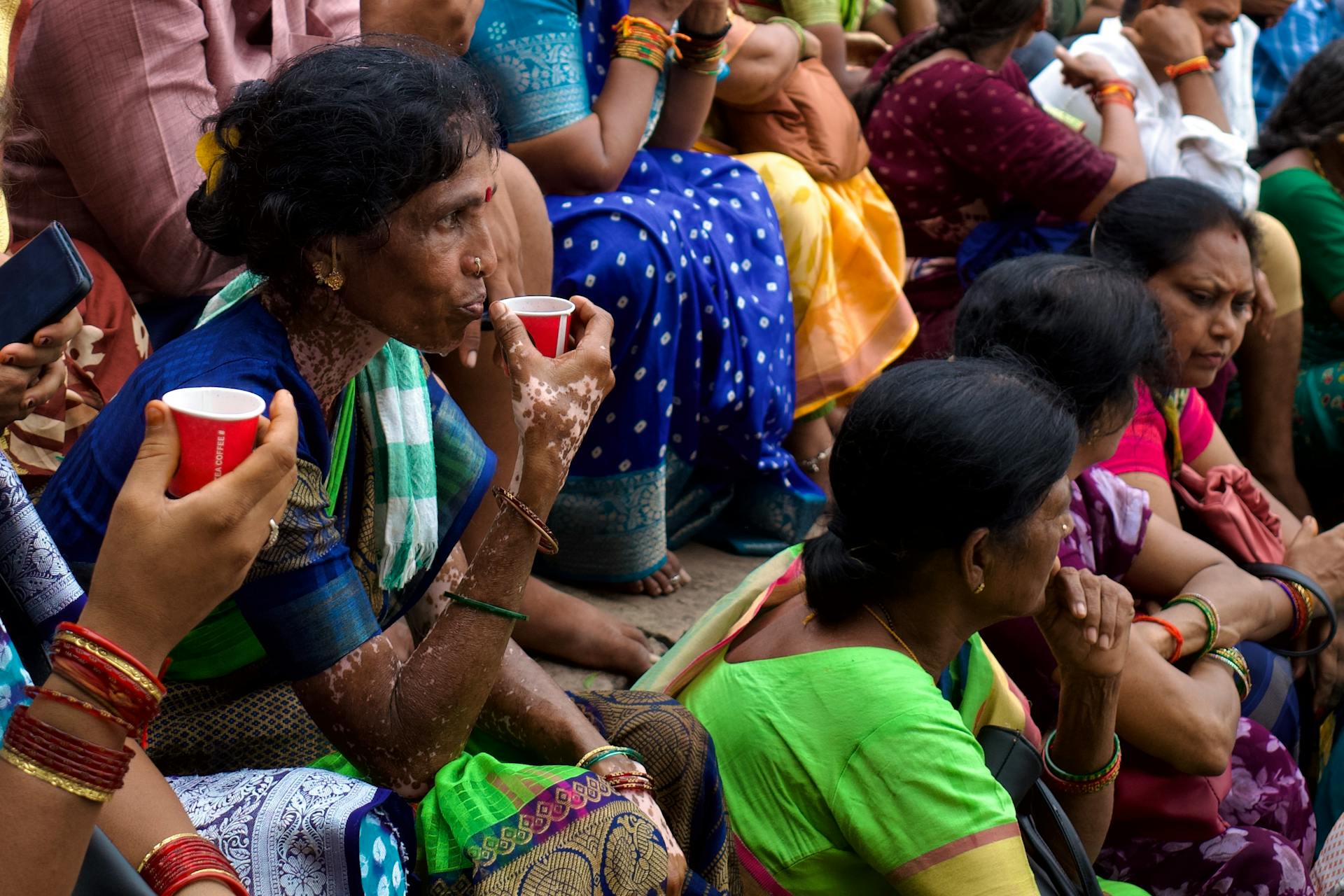
These are visible markers of autoimmune diseases like lupus and psoriasis, which are related to what is happening inside the body. The imbalance in the hormones internally is visible on the surface of the skin when there is a persistent underlying issue that needs to be addressed and treated. According to a cross-sectional study at a tertiary care centre in India, autoimmune diseases like lupus and vitiligo contribute significantly to hyperpigmentation disorders in Indian women.
Read More: 4 Cervical Cancer Symptoms Many Women Dismiss As Normal, But Shouldn't
4. Digestive Issues
The persistent presence of digestive issues like bloating, diarrhoea, or abdominal pain is linked to Crohn's disease which is a type of autoimmune disease. These chronic autoimmune disease affects the gastrointestinal tract and is increasingly recognised in Indian women when they experience digestive discomfort continuously. A study that looked at the clinical spectrum of Crohn's disease in North India documented that young women (20-40 years) presented with abdominal pain, perianal disease, and menstrual irregularities.
5. Hormonal And Reproductive Health Problems
The persistent experience of having irregular menstrual cycles and fertility challenges could be linked to certain autoimmune diseases in women. According to a hospital study in Punjab, autoimmune diseases disproportionately affect women due to hormonal, genetic, and environmental influences, increasing their reproductive health risks.
Read More: Higher Gut Sensitivity In Women Linked To Oestrogen, Reveals Study
Risk Factors In India
The Indian subcontinent is riddled with the following risk factors that can lead to a higher incidence of autoimmune diseases in women:
- The persistent high levels of particulate matter due to air pollution settle in the lungs and hamper health.
- Heavy metal consumption due to polluted drinking water sources causes an imbalance in the body.
- Consistent poor lifestyle choices that ignore healthy eating habits, regular exercise, and effective stress management.
- A key risk factor is multiple dietary deficiencies due to a mostly plant-based diet with depleting nutrients in them.
- Urban women have a higher chance of developing autoimmune diseases than rural women, due to pollution, stress, processed diets, and lifestyle changes.
Women often tend to take their symptoms for granted and wait to seek medical treatment, or are afraid of a diagnosis. The key to effectively managing this fear is to be aware of the signs and to seek medical advice when in doubt.
Disclaimer: This content, including advice, provides generic information only. It is in no way a substitute for a qualified medical opinion. Always consult a specialist or your own doctor for more information. NDTV does not claim responsibility for this information.