Opinion | Will The Iran War Force Pakistan To Pick 'Sides'?
Given its economic dependence on Gulf countries and strategic leanings toward the US, Pakistan will aim to contain any overt anti-American positioning in public protest or state rhetoric.
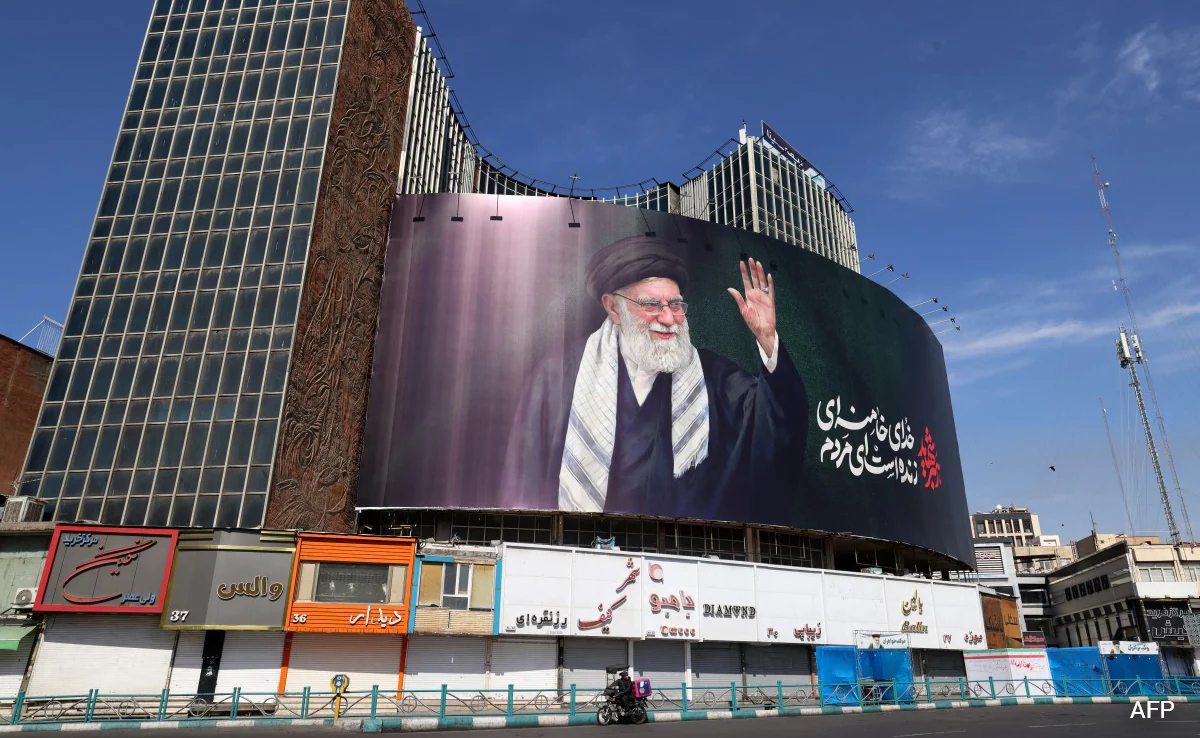
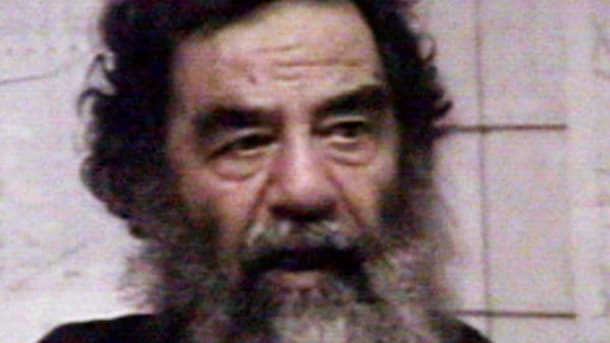
It's been almost a week since the killing of Iran's Supreme Leader, Ali Khamenei. A consequential historic moment, it was comparable to the killing of Libyan leader Muammar Gaddafi in 2011 or the fall of Saddam Hussein in 2003 in West Asia. The event has generated ripples across West Asia and the Indian subcontinent to varying degrees, particularly in countries with sizeable Shia Muslim populations. For Pakistan - a country already embroiled in the ongoing cross-border conflict with the Afghan Taliban and persistently sensitive borders with India, another destabilising incident in its neighbourhood is bound to aggravate existing pressure. And it comes at a time when the state's security bandwidth remains stretched.
The 1979 Revolution
While Pakistan is a Sunni-majority country, it remains home to the second-largest Shia population outside Iran, estimated at 10-15% of its total population. That demographic figure gives incidents in Iran an added domestic resonance in Pakistan. The mutation of Iran following the 1979 Revolution, which overthrew the pro-American Shah, Mohammad Reza Pahlavi, replacing him with an Islamic Republic under Ruhollah Khomeini, had big implications for Pakistan.
In 1979, Pakistan's General Muhammad Zia-ul-Haq called Khomeini "a symbol of Islamic resurgence", thereby exemplifying Pakistan's initial ideological receptivity to the Iranian revolution. In response, Khomeini had described Iran's relationship with Pakistan as being "based on Islam". As such, despite doctrinal differences, Tehran and Islamabad found common ground on theological lines.
Also Read | As War Rages In Gulf, Indians Move Their Money From Dubai To Singapore
The Persian connection between the two countries also went deep. Even the name Pakistan, translating to "land of the pure", is derived from the Persian word 'Pak', meaning pure. Cultural and linguistic intersections have predated formal diplomatic ties.
Pakistan's sectarian environment was internationalised following the revolution. Saudi Arabia, in turn, perceived the Iranian Revolution as an ideological project of Shia expansionism and started pushing for more religious and financial support for Sunni Deobandi and Ahl-e-Hadith institutions in Pakistan. The resulting polarisation throughout the 1980s and 1990s effectively transformed Pakistan into a microcosm of the broader Shia-Sunni ideological contestation between Tehran and Riyadh.
Still Strong
Regardless of the prevailing security and sectarian tensions, Islamabad and Tehran have been keen on maintaining an amicable bilateral relationship. The cross-border fighting in 2024 between Iranian and Pakistani forces, which rapidly de-escalated, stands as a reminder of that.
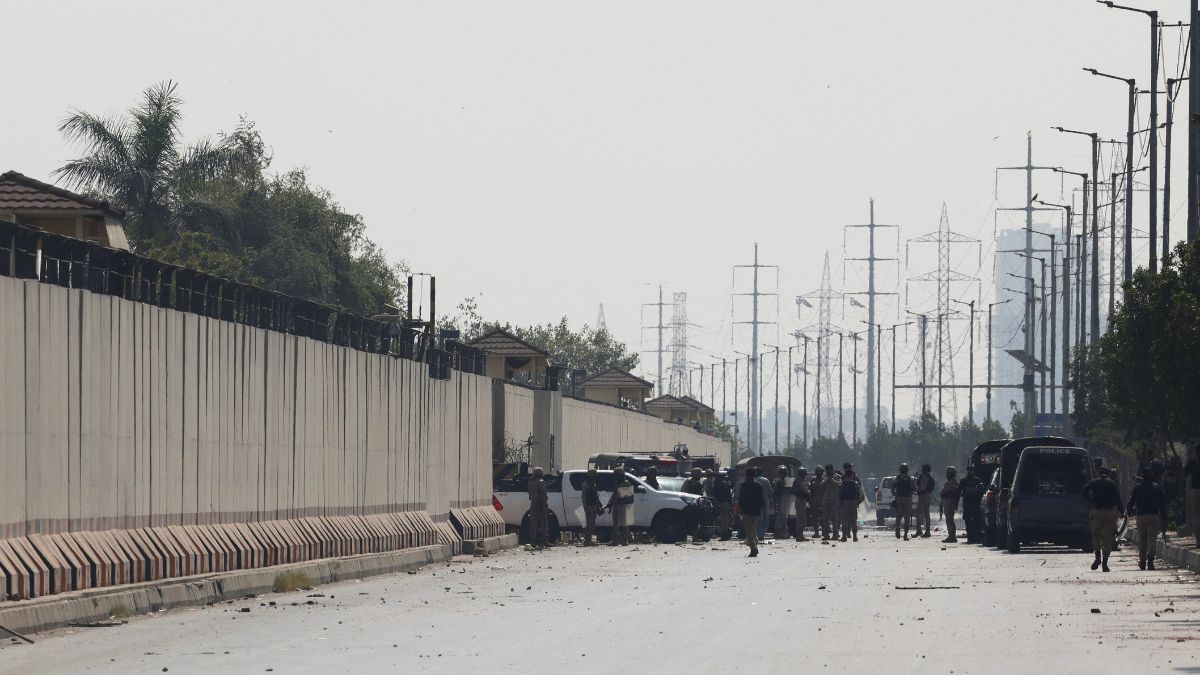
(In photo: Protests in Karachi after the killing of Khamenei/AFP)
In January 2024, Iran unexpectedly launched missiles and drone strikes in Pakistan's Balochistan province to target strongholds of the anti-Iran militant group Jaish al-Adl. Two days later, Islamabad retaliated with drone strikes to target bases of an anti-Pakistan Baloch group purportedly operating in Iran. It is crucial to emphasise that the rhetoric on both sides, despite the violations, portrayed the actions as 'anti-militancy' operations. The speed of de-escalation pointed to a strong appetite for maintaining cordial ties despite multiple geopolitical and bilateral differences. In June 2025, Pakistan also condemned the US's bombing of Iran's nuclear sites.
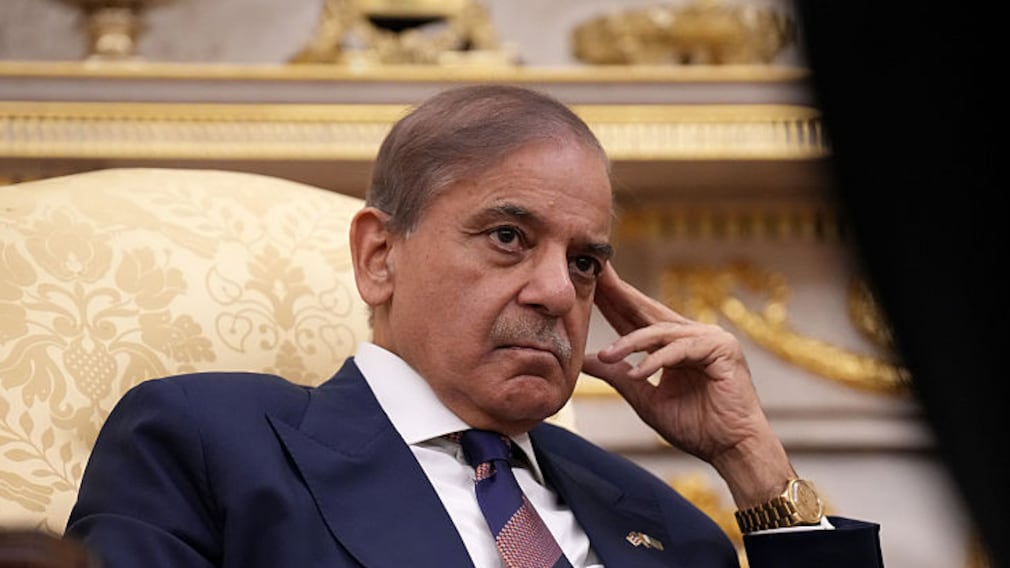
Pakistan's Prime Minister, Shehbaz Sharif, has termed Khameini's killing a "violation" of international law and extended condolences on his "martyrdom". Similar language was used by Pakistan's President. At the same time, Islamabad also condemned strikes across West Asia in Saudi Arabia, Bahrain, Kuwait, and the UAE, referring to them as Iran's retaliatory strikes. Importantly, the use of the term 'martyrdom' indicated the Pakistani state's alignment with the Shia doctrinal framing of holy sacrifice and with the Islamic Republic's own narrative surrounding the death of its supreme leader.
Walking A Tightrope
As a Muslim, nuclear-armed country, Pakistan will retain some diplomatic and symbolic weight in the broader Islamic world to take a position.
That said, Pakistan's road forward is less about balancing and more about managing simultaneous pressures. The state will face challenges to contain any snowballing of sectarian violence without appearing hostile to the Shia sentiments. In addition, given its economic dependence on Gulf countries and strategic leanings toward the US, it will aim to contain any overt anti-American positioning in public protest or state rhetoric, while also avoiding the perception of taking a pro-US stand alongside its ally Israel. Additionally, Pakistan's participation in the so-called Board of Peace - a Trump-led initiative to address the Palestinian issue - is bound to further complicate these challenges, especially since Islamabad's decision to join the forum suggested a conspicuous attempt to reassert a more proactive role in West Asian affairs and the broader Muslim world.
Pakistan is currently tethered to Washington by a desperate need for economic stabilisation through investments in the mining sectors and support from Western financial institutions, specifically the International Monetary Fund (IMF). This will prevent the country from mounting an overt criticism of American actions, with condemnation limited only to Israel. However, its desired foreign policy of fostering ties with the second Trump administration might be met with domestic pushback, as people in Pakistan increasingly view the Iranian attacks as unjustifiable.
🇮🇶 In Baghdad, Khamenei supporters are storming the U.S. embassy
— NEXTA (@nexta_tv) March 1, 2026
Protesters are trying to break into the protected "diplomatic" area in the city center. Security forces are dispersing them with tear gas.
In Iraq, explosions have been heard since the early morning. The target of… pic.twitter.com/wSzWeg5ppg
However, precedent suggests the existing crisis is unlikely to fundamentally reorder Pakistan's domestic or foreign policy structure. The Iranian Revolution remains instructive in this regard. While the revolution prompted Shia mobilisation in Pakistan by giving momentum to Shia political activism and organisational consolidation, the community's minority status in a Sunni-majority country and persecution record may only generate momentary emotional protests and rhetorical radicalisation. Even so, it must remain cautious. A burning house also warms the others.
(Aishwaria Sonavane is a research analyst at the Takshashila Institution)
Disclaimer: These are the personal opinions of the author
-
Opinion | 'Will Go Hungry, But Get The Bomb': The Story Of Pak's 'Secret' Nukes

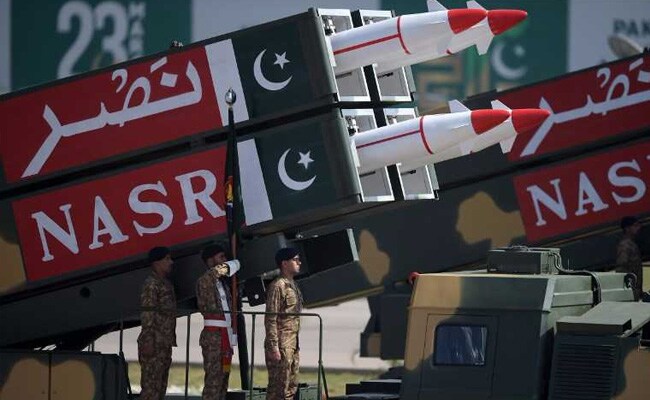
How Pakistan built a secret 'nuclear' bomb right under America's nose, and went on to become the only Muslim-majority nuclear-powered nation in the world.
-
A Blue Sparrow Left Earth's Atmosphere, Returned As Khamenei Executioner
The 86-year-old supreme leader, who had spent much of the previous weeks sheltering deep underground amid fears of Israeli strikes, had surfaced to attend a high-level meeting. Within hours, he would be dead.
-
'Did It My Way': Nitish Kumar Quits As Chief Minister After 20 Years Reshaping Bihar Politics
Nitish Kumar this week brought the curtains down on a two-decade journey as Chief Minister of Bihar ahead of a shift to the Rajya Sabha.
-
Why US Sinking Iran Warship Is A Major Wake-Up Call For India's Submarine Arm
Project 75-India, the programme meant to field six next-generation submarines with submerged endurance-boosting air independent propulsion (AIP) tech and land-attack missile capability, was conceived in the late 1990s.
-
Opinion | A Dark Truth: Why Iran, Ukraine Get Bombed, But Pak, Israel, N Korea Don't
With the Iran blitz, the message to smaller and military states is shaping up to be this: 'build the damn bomb - if not legally, then the way Pakistan did in the 1970s'.
-
Opinion | How 12 'Insurers' Sitting In London Paralysed Hormuz - All With A Phone Call
By March 3, there were zero active tanker transits inside the Hormuz Strait. Not because of Iran, or Trump. But simply because an 'underwriter' in London picked up the telephone.
-
Khamenei Falls, World Reels: Iran's War Sucks In NATO, Arabs In 72 Hours
Iran's Supreme Leader Ayatollah Ali Khamenei tracked for months in an elaborate espionage operation died Saturday afternoon after a missile struck his compound in the city centre.
-
Opinion | Iranian Ship Sinks: How A 2016 Deal With US Could Spell Trouble For India
Touted as the first major naval casualty in the Indian Ocean since the Second World War, the attack by the US on IRIS Dena brings the Iran crisis eerily close to home. And a 2016 deal with the US isn't helping.
-
Why India Has Never Bought American Fighter Jets
Almost every US fighter aircraft flying missions over Iran, at some point in the last 20 years, had been offered to India
-
Iraq, Iran, And United States-Led Regime Change
Regime change is a key target for the US-Israel war on Iran and the first step killing Supreme Leader Ayatollah Ali Khamenei is complete, but Iran is vastly different kettle of fish.