





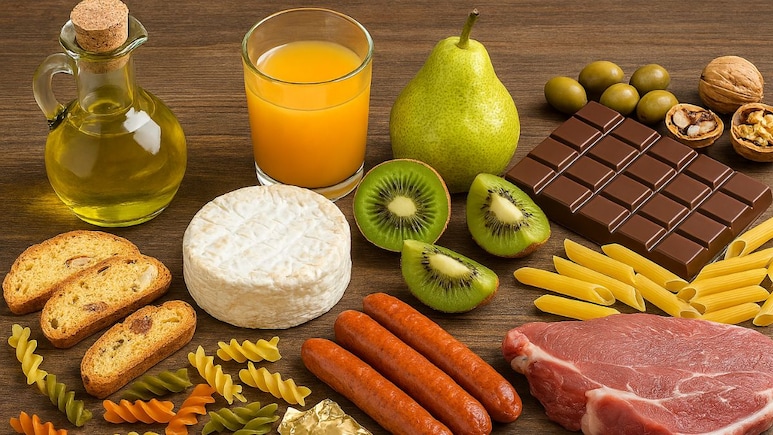
India has officially sealed its long-pending free trade agreement with the European Union, unlocking a major shift in the prices of several imported goods. The deal, finalised after nearly 18 years of negotiations, focuses heavily on tariff reductions for EU exports entering the Indian market. According to EU and Indian government statements, duties will be reduced or eliminated on more than 90 percent of EU goods, including a significant list of agricultural and processed food products.
With food items such as olive oil, biscuits, pasta, chocolates and certain fruits set to become cheaper, the trade pact is expected to reshape supermarket pricing and widen consumer choices across Indian households. Here is a detailed look at what the deal includes and which foods could soon cost less.
What Is The India-EU Trade Deal?
The India-EU Free Trade Agreement aims to remove or sharply cut tariffs on a majority of European exports to India. The agreement is projected to save EU exporters up to €4 billion in duties annually and make imported food products more accessible to Indian consumers by reducing high tariff barriers.
A large portion of the tariff cuts apply specifically to agri-food items. Many European foods currently attract import duties ranging from 30 to 55 percent, with some processed foods facing tariffs as high as 50 percent. These duties will now be reduced significantly or removed entirely.
Foods Expected To Get Cheaper Under The India-EU Trade Deal
According to the official information shared by the European Commission, here are the food products that are set to become cheaper for Indian consumers under the new agreement.
1. Olive Oil, Margarine And Other Vegetable Oils
One of the biggest beneficiaries of the agreement.
- Current tariff: Up to 45 percent
- New tariff: 0 percent (phased over five years)
The EU confirms that olive oil will be fully duty-free, making premium oils far more affordable in India.
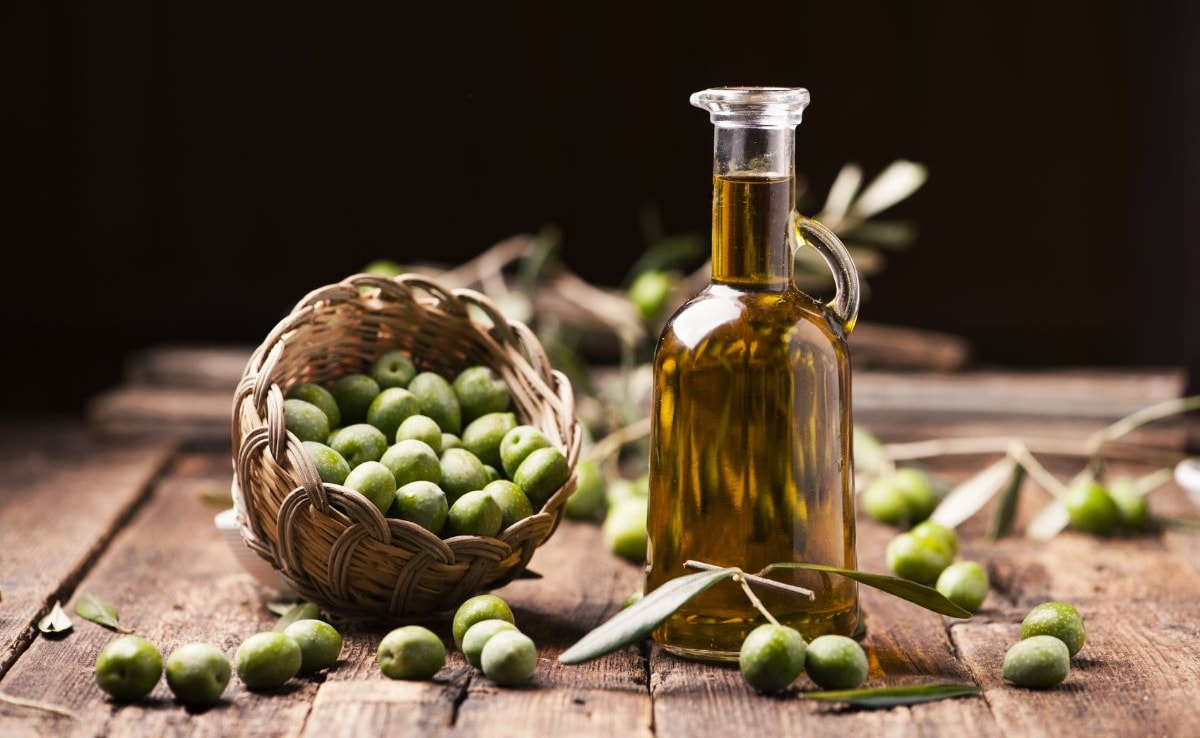
Photo Credit: iStock
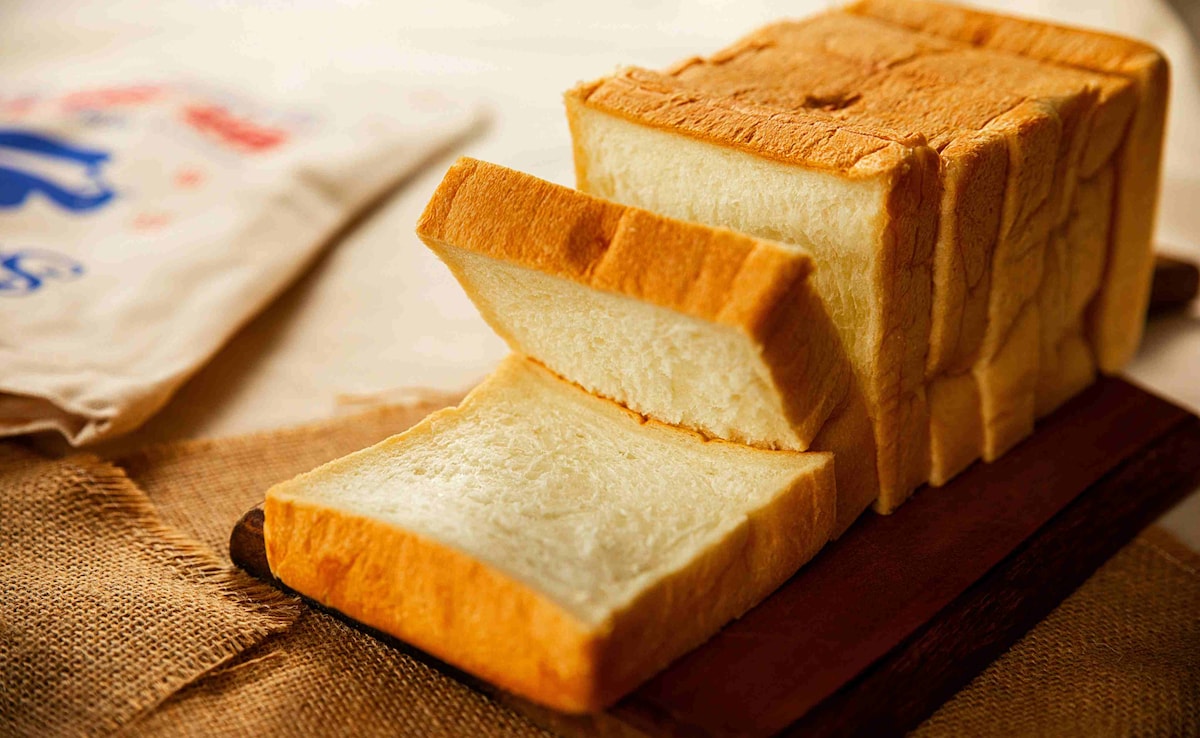
2. Processed Foods
One of the widest categories to see tariff elimination.
Includes:
Bread
Pasta
Biscuits
Pastries and bakery goods
Chocolate
Confectionery
Pet food
- Current tariff: Up to 50 percent
- New tariff: 0 percent
These items are confirmed to get full duty removal under the trade pact.
3. Fruit Juices And Select Non-Alcoholic Beverages
- Current tariff: Up to 55 percent
- New tariff: 0 percent
European fruit juices and non-alcoholic drinks will now enter India duty-free.
4. Kiwis, Pears And Other Specific Fruits
- Current tariff: 33 percent
- New tariff: 10 percent (within quota)
Fresh European fruits, including pears and kiwis, will see noticeable price drops.

Photo Credit: iStock
5. Meat Preparations And Sausages
- Current tariff: Up to 110 percent
- New tariff: 50 percent
This applies to processed meat foods, not raw meat imports.
6. Sheep Meat
- Current tariff: 33 percent
- New tariff: 0 percent
Sheep meat from EU producers will become duty-free, making it significantly cheaper for Indian importers.
With these tariff reductions now outlined, the next question is how these changes will affect consumers and the wider food ecosystem in India.
What This Shift Means For Indian Consumers
Lower tariffs will make several European foods more affordable and accessible. With lower duties on items like olive oil, bakery goods, chocolates, juices and select fruits, Indian shoppers can expect wider choices, better quality and more premium options entering everyday grocery baskets. This may also encourage consumers to experiment more with global flavours as imported items become less of a luxury purchase.
What This Means For Restaurants And The Food-Service Sector
Restaurants, cafes and hotels stand to benefit from cheaper imports and more stable supply chains. Chef Sandeep Yadav of La Soiree, Kolkata, notes that reduced costs could enable fine-dining spaces to expand their offerings, saying that cheaper imports allow restaurants to "use more premium ingredients like European olive oils, cheeses and wines" without increasing menu prices. He adds that this could support "more wine pairings, olive oil infusions in Mediterranean dishes, and cheese boards without premium markups," helping elevate menus and attract diners seeking richer, more experimental experiences.
This impact is echoed by premium hospitality groups as well. Sukul Kundan, Format Director-Operations at Aditya Birla New Age Hospitality, says the India-EU agreement is especially transformative for restaurants using European ingredients. According to him, "the biggest impact is on wine-lowering duties from 150% to the 20-30% range means iconic labels like Chianti and Barolo can now be priced accessibly," allowing CinCin to reimagine its wine-by-the-glass programme. He also highlights that "the zero-duty on olive oil is a significant win," making core Mediterranean ingredients far more economical for restaurant kitchens.
This could be a structural shift in India's consumption story, notes Chef Jyotika Malick, Olive Cafe & Bar, Kolkata. She explains, "Cheeses would be more affordable, encouraging great quality at competitive prices. All in all, the consumer will benefit from lower prices and more choices. The gourmet and premium segment could get bigger. Chefs, restaurants and hotels could lower menu costs and also experiment with more variety."
What This Means For Indian Brands And Retailers
Indian brands may face significant competitive pressure as cheaper European imports enter the market. Deepanshu Manchanda, MD at Zappfresh, notes that the deal will "ease pricing in categories such as cheese, olive oil and select processed foods, particularly across urban retail and food service," making premium imports more accessible. According to him, "Domestic producers may face near-term pressure in premium dairy, edible oils and processed food segments. However, the broader impact is structural."
Adding to this perspective, Ashni Biyani, co-founder of Foodstories, says the India-EU agreement marks a deeper shift for retailers as well. According to her, "lower duties don't just influence pricing - they improve access." She explains that "at Foodstories, we already see strong demand for European food traditions and premium global ingredients," and that reduced tariffs will help retailers "offer better quality at more accessible price points, while also improving assortment depth and supply consistency."
This widening access to European products is also reflected in the luxury gourmet retail space. A spokesperson from Marche Retail (P) Ltd, which operates the premium format Le Gourmet, says:
"Marche Retail (P) Ltd views the EU trade agreement as a structurally significant milestone for India's luxury food retail sector. By easing duty pressures and enhancing market access, the agreement enables more efficient sourcing of European artisanal and luxury food products. For Marche Retail and its luxury gourmet format, Le Gourmet, this creates a stronger, more seamless bridge between Europe's finest artisanal producers and India's rapidly maturing premium consumer base."
For Indian shoppers, restaurants and brands alike, the new trade deal marks a significant step toward greater choice, better quality and a more globally connected food ecosystem.
Track Latest News Live on NDTV.com and get news updates from India and around the world

