





India and the European Union have concluded a long-awaited Free Trade Agreement (FTA), ending nearly two decades of negotiations and paving the way for some of the steepest tariff reductions on European goods entering the Indian market. Announced during the India-EU Summit, the agreement was described by European Commission President Ursula von der Leyen as the "mother of all deals", owing to its scale and economic impact.
The pact is expected to reduce or eliminate tariffs on 96.6% of EU goods exported to India, translating into annual duty savings of around 4 billion euros for European exporters.
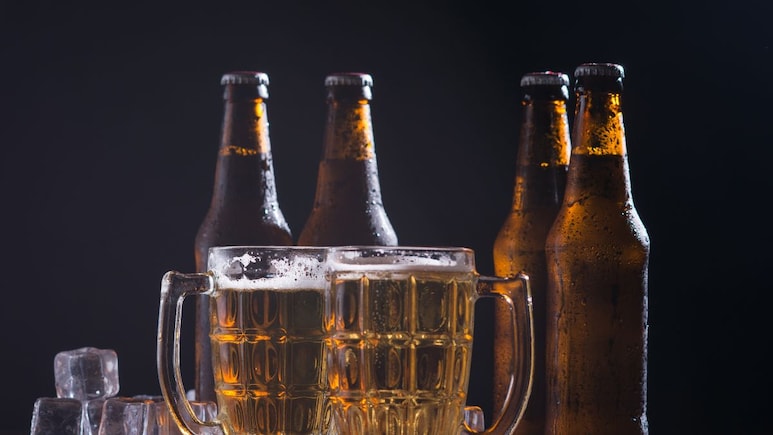
The alcoholic beverages sector is also among the beneficiaries of these cuts, particularly beer and wine. This development has sparked interest among Indian consumers, especially urban drinkers and beer enthusiasts, due to the possibility of significantly lower prices for well-known European brands.
Tariff Cuts On European Beer And Non-Alcoholic Brews
Under the new framework, India has agreed to substantially reduce duties on several agricultural and food-based imports from Europe.
- Beer imports from the EU, which currently attract a tariff of 110%, will now face a reduced rate of 50%.
- Non-alcoholic beer, which earlier carried tariffs of up to 55%, will become tariff-free.
These reductions are expected to make imported beer far more accessible to Indian consumers, especially in metro cities and high-consumption markets.
Popular European, Including German Beer Brands In India
Several European beer brands have an established presence in India and stand to benefit from the tariff reductions. Current popular options include:
- Heineken (Netherlands): A widely consumed imported lager known for its consistency.
- Carlsberg and Tuborg (Denmark): Prominent players with broad national availability.
- Hoegaarden (Belgium): A well-regarded wheat beer with a strong premium following.
- Beck's and Beck's Ice (Germany): German pilsners, popular among urban consumers.
- Erdinger (Germany): Known for premium wheat beers with a dedicated fan base.
- Stella Artois (Belgium): A premium lager often seen in high-end outlets.
- Pilsner Urquell (Czech Republic): A historic pilsner recognised for its authentic flavour.
With tariff cuts, these and other premium European brands may become more competitively priced in India.
Also Read: India-EU Trade Deal: French Wines Set To Get Cheaper, Experts Predict Impact On India's Wine Market

German beers are immensely popular among Indians.
What It Means for Consumers
The India-EU Free Trade Agreement is set to directly impact Indian consumers, especially those in urban and premium beer-drinking segments. Under the pact, beer imports from the EU will see tariffs reduced from 110% to 50%, while non-alcoholic beer will become tariff-free, making European beers more accessible in terms of pricing and availability.
Consumers can expect a broader selection of imported beers from Europe, including German, Belgian, Dutch, and Czech brands, potentially at lower prices depending on state excise duties and distribution margins.
Raunaq Singh, Managing Director, Ministry of Beer, Goa, highlights a shift in consumer behaviour:
"Lower import duties will expose Indian consumers to a wider range of European beers at more accessible prices... this may shift consumption behaviour away from purely price-led choices to experience-driven preferences, with consumers exploring styles, origins and quality more actively."
The urban market will experience changes in consumer drinking habits because the tariff decrease will make foreign beers and wines more accessible, especially in the premium and super-premium market categories," notes Avneet Singh, CEO & Founder, Medusa Beverages.
Coming to pricing expectations, "Indian consumers will get a wider choice in the premium segment... The import duties are going to be slashed in a phased manner, so one should not expect imported spirits to become cheaper overnight," highlights Arvind Bajaj, Founder of Conan Beer.
Atul Kumar Singh, Co-Founder, Lone Wolf, points to evolving consumer awareness:
"As global spirits from markets like France and Germany become more accessible, Indian consumers are likely to become more exploratory and discerning in their choices... While lower prices may drive initial trials, sustained preference will be shaped by trust, craftsmanship, and transparency."
What It Means For Indian Beer Brands And Craft Breweries
The entry of more competitively priced European beers is expected to intensify competition, particularly in the premium and craft segments, while leaving mass-market commercial brands largely unaffected.
While the tariff cuts will make European beers more competitive, their impact on Indian brands is expected to be uneven. According to Raunaq Singh, domestic microbreweries continue to hold a distinct edge through innovation and localisation. He points out that Indian craft brewers are uniquely positioned to experiment with ingredients such as millets, rice, and regional grains-flavour profiles that imported beers cannot easily replicate, allowing them to build differentiated identities even as competition intensifies.
That said, the pressure is likely to be felt more acutely in the craft and premium segments. Arvind Bajaj notes that there will be "very minimal impact on Indian commercial brands," as state excise duties remain unchanged and import duty reductions will be phased. However, he adds that craft brands may face stiffer competition as European craft beers become available at more accessible price points.
Structural challenges also remain for Indian players. Avneet Singh draws attention to the fact that "Indian beer brands operate under a complex duty regime and remain outside the GST framework, limiting their ability to optimise costs and pricing in comparison to imported brands."
At the same time, increased exposure to global benchmarks could push Indian brands to evolve. Atul Kumar Singh believes "the changing landscape will encourage sharper storytelling around sourcing, ingredients, and brewing philosophy- factors that are becoming increasingly important to India's more informed, premium-seeking consumers."
What It Means for the Indian Beer Industry Overall
At an industry level, the India-EU Free Trade Agreement is expected to reshape India's beer market and accelerate the maturation of beer culture in the country. Avneet Singh describes the agreement as a turning point, marking a shift from an "availability-driven" market to a "choice-driven" one, where competition expands consumer options and raises expectations across the board.
This heightened competition is likely to force upgrades across the premium segment. Arvind Bajaj observes that Indian Made Foreign Liquor (IMFL) brands in the premium space will need to raise their game in terms of branding and quality as consumers gain access to a wider range of international products.
From a broader ecosystem perspective, Abhinav Jindal, Founder & CEO, Kimaya Himalayan Beverages, sees the change as "constructive rather than disruptive." He notes that the entry of well-crafted European beers will lead to clearer segmentation, stronger brand narratives, and improved on-ground drinking experiences. According to Jindal, "this evolution supports the growth of niche, craft-first players and helps the Indian beer market mature with intent rather than simply expand in volume." He further emphasises that sustained competition from quality-driven European brands can deepen consumption experiences and create space for smaller, quality-first players to thrive alongside established names.
Shifting Consumer Behaviour
Lower import duties are also expected to influence how Indian consumers engage with beer. Raunaq Singh notes that more affordable European imports will expose drinkers to a wider range of styles and origins, gradually shifting preferences focused on quality and provenance.
He further points out that German beer already enjoys a strong reputation in India for authenticity and quality, particularly among urban consumers familiar with global beer styles. With improved pricing under the FTA, its appeal and presence in the Indian market are likely to grow further.
Why The India-EU Pact Matters
The FTA arrives at a time when India is strengthening economic relationships with global partners amid rising geopolitical and trade uncertainties. The EU describes it as the most ambitious trade opening India has ever offered, with the potential to double EU exports to India by 2032.
By reducing tariffs and simplifying customs procedures, the deal is expected to make trade between the two regions faster, cheaper, and more efficient. Beyond alcoholic beverages, tariff reductions span machinery, chemicals, automobiles, medical equipment, and several agricultural products.
For Indian consumers, this means lower prices on a wide range of European goods. For importers and distributors, it signals greater opportunities within India's growing premium food and beverage market.
Track Latest News Live on NDTV.com and get news updates from India and around the world

