





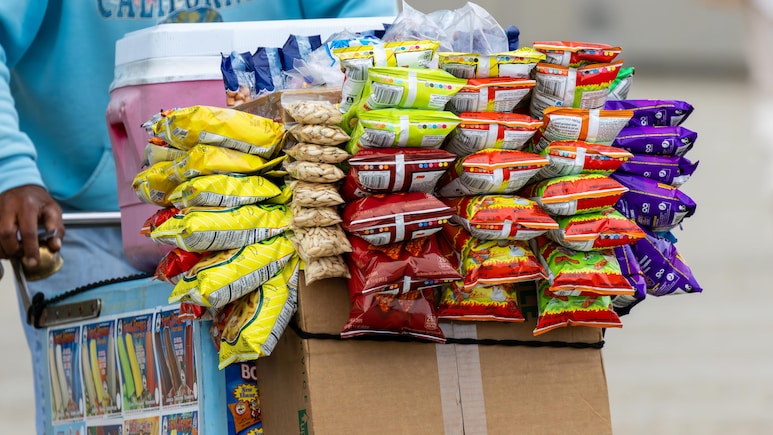
The Food Safety and Standards Authority of India (FSSAI) now requires hard scientific data for the approval of new food products or the review of existing products. From January 1, 2026, all submissions seeking a food safety review or changes in food standards must provide comprehensive evidence, as reported by The Times of India. This move follows FSSAI's observation that many past submissions lacked the necessary data or format, hindering proper risk evaluation. Rather than triggering a review of current market products, the requirement applies when stakeholders officially seek a scientific risk assessment, leaving the responsibility of proving safety on applicants.
All submissions must include:
- Detailed nutritional composition
- Indian consumption patterns
- Toxicology results
- Safe intake thresholds
- Allergy risk assessments
- Supporting scientific literature
A Methodical Move Towards Food Safety
- Unified Submission Format: FSSAI has introduced a standardised format to ensure every application includes all requested data, making evaluations more consistent.
- Focus On Indian Diets: With packaged foods rising in popularity, regulators emphasise that overseas studies may not reflect Indian portion sizes, dietary habits or sensitivities.
- Rigorous Evaluation: Submissions are reviewed by FSSAI's Science and Standards Division, followed by independent expert panels, which decide whether to approve, continue, restrict or impose tighter limits on products.
Also Read: Is Your Tea Really Tea? Food Regulator Clarifies What Can Be Called "Tea"
Anjali Bhola, dietician at the National Cancer Institute, Jhajjar, AIIMS, said this is "an important step to protect public health," pointing out that Indian eating habits, portion sizes and food sensitivities differ significantly from those elsewhere. Requiring scientific proof on long-term safety, intake levels and allergens "helps make food rules more practical, science-based and safer for Indian consumers," quoted The Times of India.
FSSAI has assured stakeholders that all submitted data will be treated as confidential and used solely for scientific evaluation and policymaking.
How This New Rule Will Benefit Consumers
1. Transparent Safety Claims: Consumers can trust that health and safety claims are based on rigorous, India-specific evidence.
2. Lower Allergy Risks: Mandatory disclosure of allergen data reduces the risk of allergic reactions.
3. Portion-Precise Approvals: Considering real Indian consumption patterns ensures recommended intake levels are appropriate and realistic.
4. Heightened Accountability: The responsibility rests with companies to prove safety, rather than regulators having to guess.
5. Continuous Improvement: Need for evidence incentivises manufacturers to invest in scientific research, which generally improves product quality.
Also Read: No Cancer Risk From Eggs, Food Authority Clarifies After Viral Claims
With the introduction of evidence-based submissions, FSSAI is reinforcing its commitment to public health and ensuring what's on our plates is safe, scientifically verified and suited to Indian diets.
Track Latest News Live on NDTV.com and get news updates from India and around the world

