





When an adulterated food product is found on a shop shelf, removing it from sale is only the first step. The danger is not over; the problem is not solved. The bigger challenge is finding out where it came from, how it reached the market and whether the same batch has been supplied to other retailers.
In an exclusive interaction with NDTV Food, Maharashtra Food and Drug Administration (FDA) Commissioner Tukaram Mundhe explains how they follow an evidence-led process to trace adulterated food products, establish accountability and take action against those responsible. This requires tracing the product through every link in the supply chain, from the retailer and distributor to the manufacturer and raw-material supplier.
-

-
 At NDTV World Summit, Palestinian Envoy's Amitabh Reference For India Visit
-
 Why "Healthy" Mojtaba Can't Appear In Public, Reveals Iranian Diplomat
-
 A Region in Flux: Who Will Shape the Middle East’s Future?
-
 "It's A Genocide": Palestine Ambassador On Conflict With Israel
-
 Iranian Diplomat On The Human Cost Of War: 'Parents Are Still Crying'
-
 Anarchy Or Change? Nepal Minser's Lesson From Nepal's Gen Z Movement
-
 Why 'Healthy' Mojtaba Khamenei Can't Appear In Public, Reveals Iran Diplomat
-
 'Needs Very Rapid New Concept Of Warfare': Ex-CIA Chief's Advice To India
-
 'US Never Apologised': Iran Diplomat On Primary School Bombing
-
 AI Divine, AI Gods And Phantoms: BAPS Monk's Warning At NDTV World Summit
READ | Exclusive: India's Food Safety Problem Goes Beyond Just Dirty Kitchens - By Tukaram Mundhe
How Does the FDA Trace Adulterated Products To Its Source? Tukaram Mundhe Explains
In Maharashtra, the Food and Drug Administration follows a structured, evidence-led process to move from the shop shelf to the source.
Step 1: Start With The Product
The label carries the manufacturer's name, the batch or lot number, the date of manufacture and the FSSAI licence number. A check on FoSCoS tells us who holds the licence, where the unit is located and which authority licensed it.
Step 2: Follow The Records
Every licensed food business must keep purchase and sale records. Our Food Safety Officers examine:
(i) The retailer's purchase invoice, which leads to the distributor or wholesaler;
(ii) The distributor's records, which lead to the manufacturer or packer;
(iii) The manufacturer's raw-material, production and dispatch records, which show both where the inputs came from and where else the same batch was sent.
Step 3: Sample And Analyse
Samples are drawn under the statutory procedure and sent to accredited laboratories. Analysis tells us whether the food is unsafe, substandard or misbranded, which determines the action to follow. Nationally, 31,407 legal cases were launched in 2024-25 on the basis of non-conforming samples.
Step 4: Contain The Risk
(i) Suspect stock can be seized under Section 38 of the Food Safety and Standards Act.
(ii) The food business operator is responsible for recalling unsafe food from the market under Section 28 of the Act and the FSS (Food Recall Procedure) Regulations, 2017.
(iii) Licences can be suspended where the risk demands it.
Step 5: Fix Liability Along The Chain
Section 27 of the Act sets out the responsibilities of manufacturers, distributors and retailers. A retailer who can show a valid warranty from his supplier passes responsibility up the chain. This is why records matter so much for honest traders.
Step 6: Coordinate Beyond Our Boundaries
Where the chain crosses district or state borders, we refer the matter to the Designated Officer or Food Safety Commissioner concerned, and to FSSAI for centrally licensed units and imported food.
Step 7: Involve The Police In Organised Adulteration
Where there is evidence of deliberate, organised adulteration, we work with the police. Criminal provisions of the Bharatiya Nyaya Sanhita on adulteration of food and sale of noxious food apply alongside the Food Safety and Standards Act. This allows us to investigate the entire network, including financiers, chemical suppliers and transporters.
READ | Exclusive: Tukaram Mundhe On Why Cheap Food Can Come At A Higher Cost
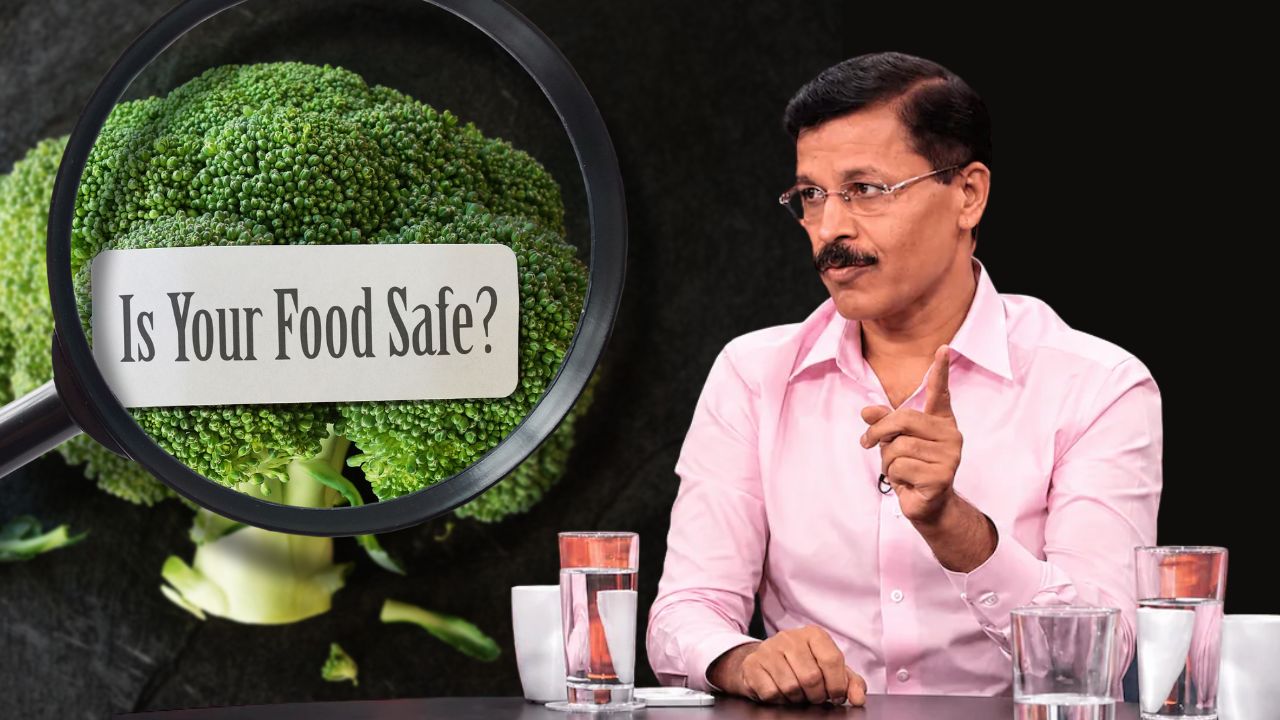
Tukaram Mundhe explains how they follow an evidence-led process to trace adulterated food products
The Objective Is To Trace The Source, Not Just Remove The Product
Tracing adulterated food requires more than identifying a product that fails a quality test. The investigation must establish where the product originated, how it moved through the supply chain and who was responsible at each stage. Purchase invoices, manufacturing records, batch numbers and laboratory reports help investigators build that chain of evidence.
The Maharashtra FDA's approach is aimed at preventing the same product from reaching more consumers while ensuring that responsibility is established under the law. As Tukaram Mundhe explains, the objective is not merely to remove the stock found at one shop. It is to reach the source, stop further exposure and ensure that those responsible face the full consequences of the law.
Track Latest News Live on NDTV.com and get news updates from India and around the world

