




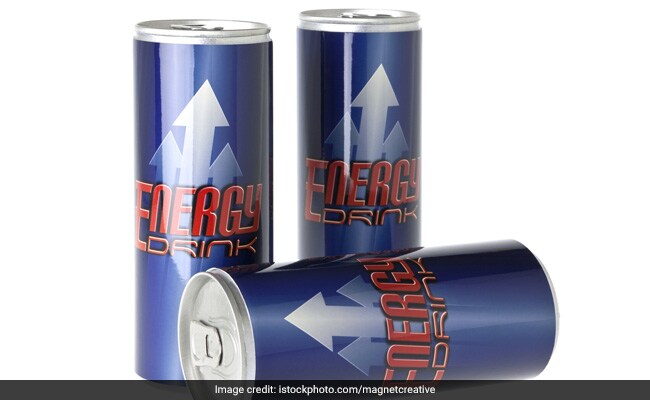
The Delhi High Court on Tuesday allowed PepsiCo and Monster Beverages to continue selling their existing stock of beverages labelled as "Energy Drink." However, the companies have been barred from manufacturing any new products carrying the same description. PepsiCo sells energy drinks such as Sting Energy and Adrenaline Rush, while Monster Beverages markets Monster Energy.
The companies had moved the High Court challenging directions issued by the Food Safety and Standards Authority of India (FSSAI), which had asked them to remove the term "energy drink" from their product labels. FSSAI had also instructed food safety officials across the country to seize products carrying the disputed label.
But top official sources have told NDTV's Health Editor Sneha Mordani that there were many reasons why FSSAI's hands were forced on this, reiterating that the matter will be handled where it is now, in court.
A source said that Caffeinated beverages are increasingly marketed using the descriptor "Energy Drink", a term that may create a perception of nutritional energy, enhanced vitality, or improved physical performance. However, caffeine primarily acts as a stimulant, temporarily increasing alertness and reducing the perception of fatigue. It does not itself provide nutritional energy or calories. The use of the descriptor therefore raises important consumer-protection and public-health concerns, particularly when high levels of caffeine and added sugar are combined with marketing targeted at young consumers, sportspersons, and health-conscious individuals.
READ | Red Bull Gets Relief, Delhi High Court Quashes 'Energy Drink' Label Ban Order
Added Sugar and Consumer Health
Sugar-sweetened caffeinated beverages can contain significant quantities of added sugar. For example, a 250 ml serving of a product such as Red Bull contains approximately 27 g of sugar, which exceeds the 25 g per day limit for added sugar recommended by ICMR-NIN.
Consequently, consumption of a single serving may exceed the recommended daily limit for added sugar, particularly when added sugars from other foods and beverages consumed during the day are taken into account.
"Energy" Versus the Stimulant Effect of Caffeine
The term "Energy Drink" can blur the distinction between nutritional energy obtained from calories and the temporary stimulant effects of caffeine.
While caffeine can increase alertness and reduce the perception of tiredness, this effect should not be equated with the provision of nutritional energy or a direct enhancement of physical performance.
The prominent use of the term "Energy Drink" may therefore contribute to consumer misperception, particularly where the overall presentation of the product conveys an impression of health, vitality, or functional benefit.
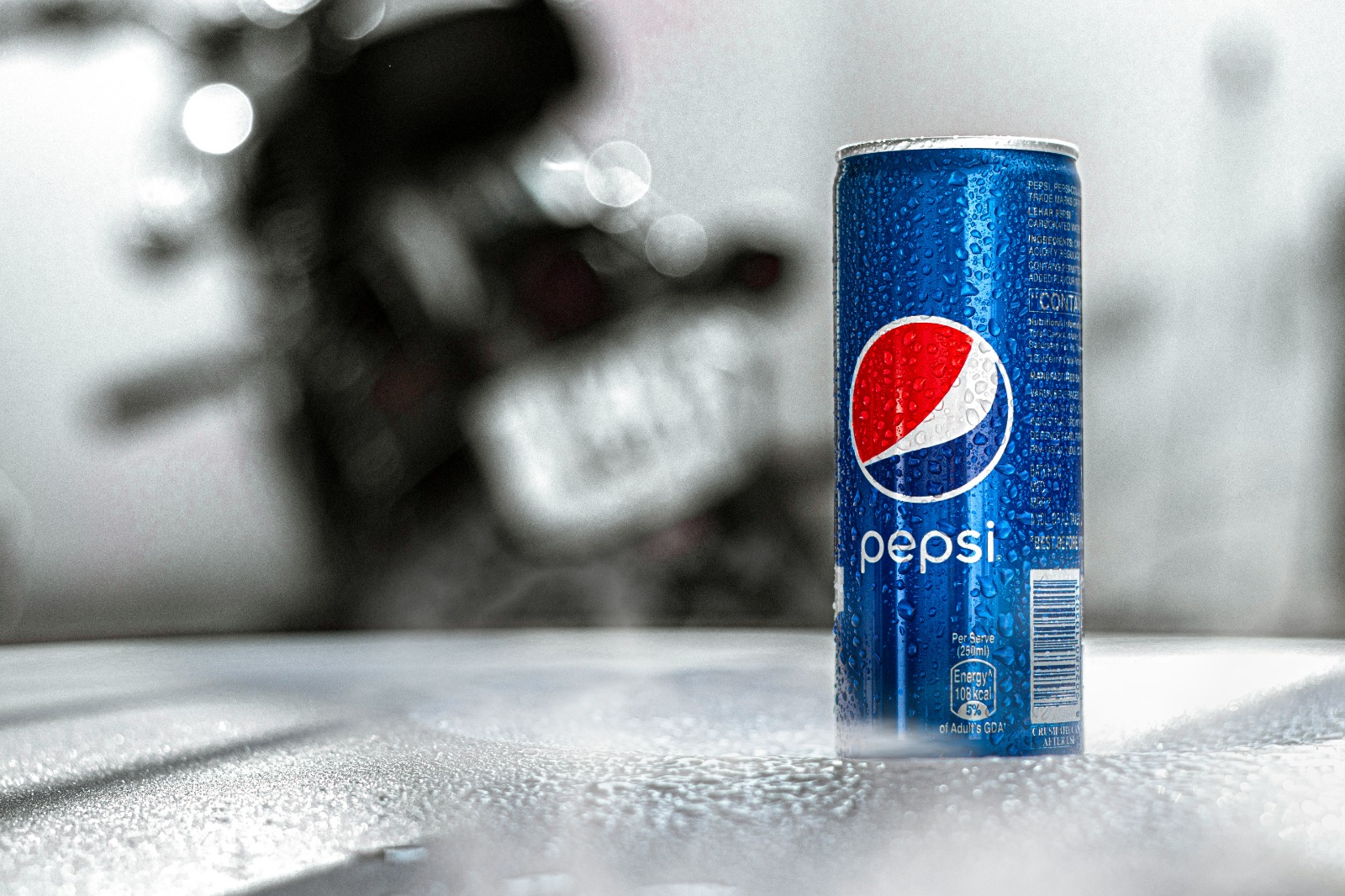
PepsiCo sells energy drinks such as Sting Energy and Adrenaline Rush, while Monster Beverages markets Monster Energy
Safety Warnings for Vulnerable Consumers
Caffeinated beverages are subject to mandatory cautionary labelling requirements. The prescribed warning states:
"NOT RECOMMENDED FOR CHILDREN, PREGNANT OR LACTATING WOMEN, PERSONS SENSITIVE TO CAFFEINE."
However, where such warnings are presented in relatively small text on the back or less prominent areas of packaging, while the descriptor "Energy Drink" is prominently displayed on the front, critical safety information may receive considerably less consumer attention than the product's positive marketing message.
This raises concerns regarding the effectiveness and visibility of health-related warnings, particularly for vulnerable consumer groups.
Marketing to Young Consumers and Other High-Risk Groups
Caffeinated beverages are widely promoted to young consumers, sportspersons, and health enthusiasts. Marketing strategies that associate these products with energy, athletic performance, vitality, or an active lifestyle can potentially create an unwarranted perception of functional or health benefits.
The combination of caffeine, high levels of added sugar, prominent "energy" messaging, and targeted marketing warrants particular attention from a consumer-protection perspective.
Regulatory Framework
Caffeinated beverages are regulated under the Food Safety and Standards Act, 2006 and the regulations made thereunder, including the Food Safety and Standards Regulations, 2011.
These beverages fall within the relevant Food Category System (FCS), including:
- FCS 14.1.4 - Water-based flavoured drinks
- FCS 14.1.4.1 - Carbonated water-based flavoured drinks
- FCS 14.1.4.2 - Non-carbonated water-based flavoured drinks
The regulatory framework prescribes specific requirements for such beverages, including applicable cautionary statements and labelling requirements.
Against this regulatory background, the continued use of the descriptor "Energy Drink" on caffeinated beverages has been examined from the perspective of consumer understanding, accurate product communication, and protection against potentially misleading perceptions.
"ENOUGH TIME WAS GIVEN"
The source added that Notices and Stakeholder Consultations were held and that Notices were issued to concerned Food Business Operators (FBOs) on 30 June 2026 regarding the use of the descriptor "Energy Drink" on caffeinated beverages.
The matter was subsequently deliberated with industry and relevant stakeholders, including the Indian Beverage Association, Department of Consumer Affairs (DoCA), Central Consumer Protection Authority (CCPA), Controller General of Patents, Designs & Trade Marks, Ministry of Food Processing Industries (MoFPI), Department for Promotion of Industry and Internal Trade (DPIIT), representatives of State Food Safety Authorities, and other relevant Central Government authorities.
Following detailed deliberations, it was decided that the industry shall discontinue the use of the descriptor "Energy Drink" in all future production of caffeinated beverages and ensure compliance with the Food Safety and Standards Act, 2006 and the regulations made thereunder.
READ | Production Stopped, Stocks Pile Up: Energy Drink Order Leaves Brands Struggling
90-Day Transition Period
At the request of industry, a 90-day transition period was provided to facilitate necessary changes, including relabelling, modification of packaging, and compliance in future production. During the transition period, no coercive or adjudicatory action was initiated, allowing Food Business Operators reasonable time to make the required changes.
The matter was further deliberated at the 51st meeting of the Central Advisory Committee held on 24 September 2026, with participation from State Food Safety Authorities, MoFPI, industry representatives, and other stakeholders. The consultation was aimed at ensuring uniform and effective implementation of the regulatory requirements across the country.
Discontinuation of the descriptor "Energy Drink" is intended to reinforce the distinction between nutritional energy and the stimulant effect of caffeine, while strengthening consumer awareness of the applicable safety considerations.
The objective is to promote responsible product communication, informed consumer choice, and effective compliance with food-safety and consumer-protection requirements.
Track Latest News Live on NDTV.com and get news updates from India and around the world

