





- Dylan Taylor links delayed gratification to long-term wealth building in adults
- The marshmallow test illustrates financial discipline beyond childhood decisions
- Taylor supports mortgages but warns against early luxury spending and debt
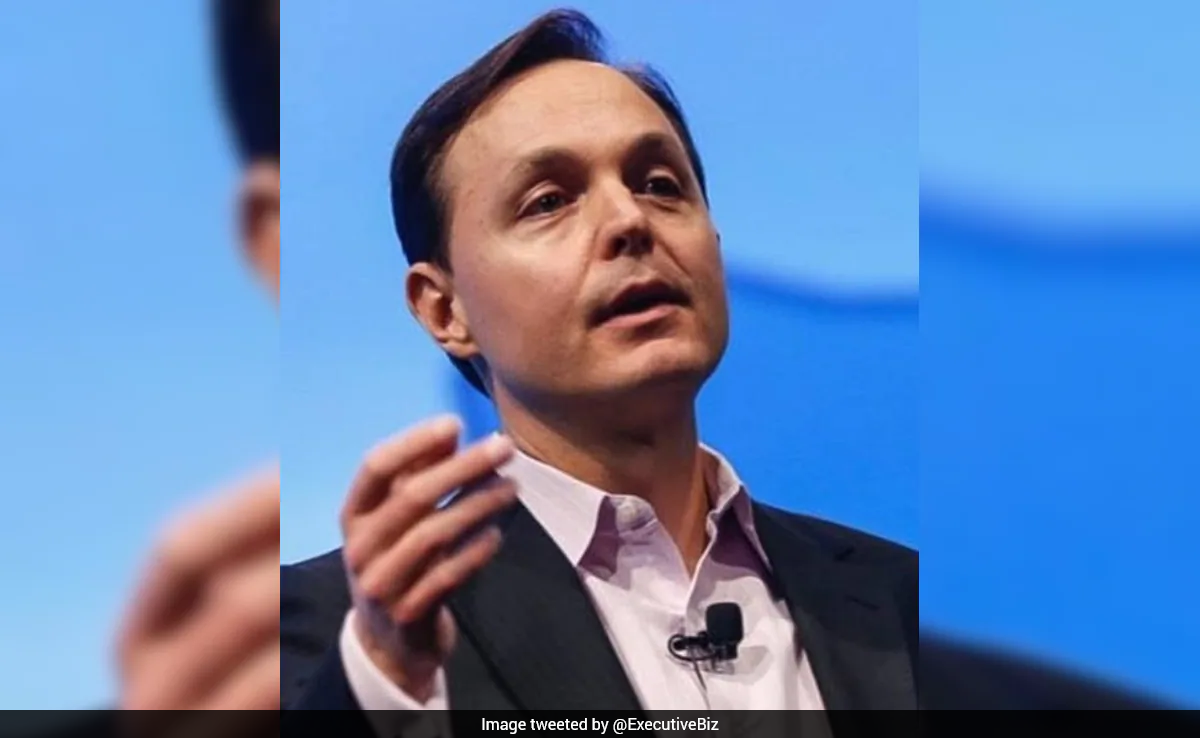
A billionaire space entrepreneur has reignited debate about wealth, discipline, and spending habits by arguing that a simple childhood psychology experiment can reveal whether you are destined to stay middle class for life. Dylan Taylor, the founder and chairman of Voyager Technologies, believes the famous "marshmallow test" says far more about adulthood than most people realise. Speaking to Fortune, Taylor, who is worth $144 billion, said the experiment highlights one of the biggest differences between people who build wealth and those who struggle to move beyond middle-class financial habits: the ability to delay gratification.
The Marshmallow Test
The decades-old test, first conducted on children, involves placing a marshmallow in front of a four-year-old and giving them a choice - eat one marshmallow immediately or wait until the researcher returns and receive two instead. Many children choose the instant reward. Taylor argues adults face versions of the same decision every day, especially when it comes to money.
For Taylor, financial discipline is less about income and more about behaviour. He says the temptation to spend before earning, whether through expensive car leases, mounting credit card debt, or financing lifestyle purchases, traps many people in a cycle where their money constantly goes toward depreciating assets and monthly repayments.
"I see a lot of those things, cars and planes and boats and all that stuff.... I support all that stuff when you can afford it, but most people lean into it before they can afford it," he said.
Taylor, who reportedly earned his first million before turning 30, described delayed gratification as a form of mental discipline. In his view, people who consistently choose long-term financial stability over short-term status symbols are more likely to build lasting wealth.
However, he makes one exception, which is borrowing for a primary home. Taylor argues that mortgages, particularly in the United States, have historically helped families build wealth over time because homes can appreciate in value and often come with tax advantages. But he sees other forms of consumer debt very differently.
According to him, spending on luxury lifestyles too early, especially through credit cards or high-end vehicles, is the adult equivalent of eating the marshmallow the moment nobody is watching.
What other experts say
Taylor's comments echo long-held views from personal finance expert Dave Ramsey, who has repeatedly argued that expensive cars are one of the clearest indicators of financial stagnation. Ramsey has often said he can predict whether someone will remain middle class simply by looking at the vehicles parked in their driveway.
He has also advised people against buying brand-new cars until they reach a net worth of at least one million dollars, arguing that many households prioritise appearances over long-term financial growth.
Billionaires who love modest lives
Interestingly, some of the world's wealthiest people are known for doing the opposite. Several billionaires and celebrities have built reputations for living surprisingly modestly despite immense fortunes.
Lucy Guo, one of the world's youngest self-made female billionaires, has spoken openly about driving older vehicles rather than luxury cars. Ingvar Kamprad, the late founder of IKEA, was famously frugal throughout his life, often criticised for flying economy and driving inexpensive cars despite his enormous wealth. Actress Keke Palmer has also discussed choosing practicality over flashy spending.
Meanwhile, billionaire heiress Mitzi Perdue, connected to both Sheraton Hotels and Perdue Farms has previously revealed that she does not even own a car and prefers public transport instead. She said her family culture never rewarded extravagance or designer labels.
Perhaps the most famous example remains legendary investor Warren Buffett. Despite being one of the richest people in the world, Buffett still lives in the same Omaha house he purchased in 1958 for $31,500. He is also known for his inexpensive breakfasts and reluctance to spend heavily on luxury items. Buffett has long argued that people often confuse appearing wealthy with actually building wealth.
Track Latest News Live on NDTV.com and get news updates from India and around the world

