





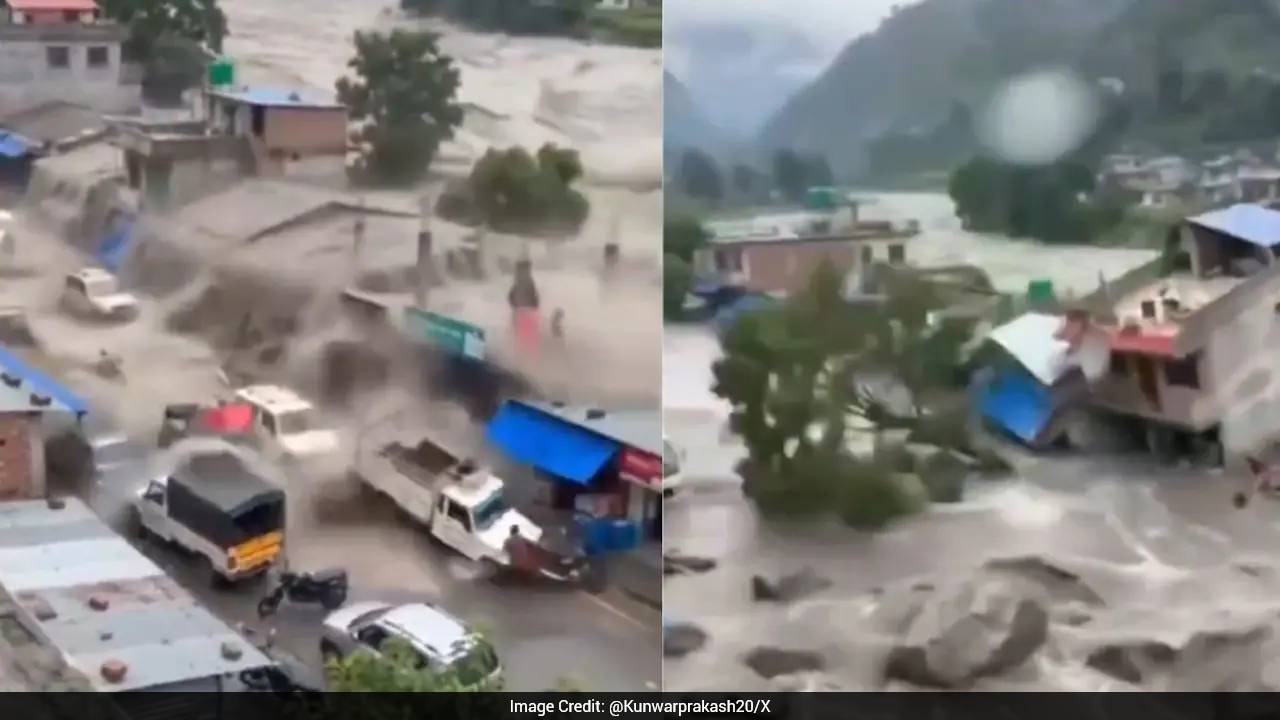
AI-generated videos are becoming increasingly difficult to distinguish from real footage. This is especially concerning when such videos depict disasters, accidents, or other major events, as people may quickly share them without verifying their authenticity. Videos showing the deadly floods in Nepal are being widely shared online, but not all of them may be authentic. One dramatic clip claiming to show the floods has been identified as AI-generated, raising concerns about how easily artificial content can be mistaken for real disaster footage.
As AI-generated videos become more realistic, viewers need to examine such content carefully before believing or sharing it.
Here are some simple ways to check whether a video could have been created using AI.
Check The Video Length
The length of a video can sometimes provide an early clue. The Nepal flood video in question was around 10 seconds long. Some AI video-generation tools, particularly free versions, have traditionally imposed limits on the length of videos they can generate. However, a short video alone does not prove that it was created using AI.
Watch Video Here:
😭😭😭 कसैले कल्पना नै गरेको थिएन यस्तो हुन्छ भनेर… प्रकृति बौलाएपछि आखिर कसको के नै लाग्दो रहेछ र! 🌊💔
— PRAKASH KUNWAR (@Kunwarprakash20) August 27, 2026
यस्तो विपत्तिमा परेका सबैको सकुशल उद्धार होस्। 🙏😭 pic.twitter.com/AneIcwhhjL
Use AI Detection Tools
If a video looks unusually polished or seems too good to be true, viewers can download it and check it with available AI-detection tools.
Some technology companies have also developed tools that can detect content created using their AI models. These can help viewers assess whether a video is real or AI-generated. However, detection tools should be treated as a useful clue rather than final proof.
Slow Down The Video And Look Closely
Another simple way to check suspicious footage is to slow it down and look at individual frames. The Nepal flood video contains several unusual changes. Red containers visible in one part of the footage appear to disappear, while a log seems to appear suddenly without a clear reason. A building and a tree also abruptly appear around the seven-second mark as the camera pans back.
Such sudden changes can be warning signs. In AI-generated videos, objects, people, and backgrounds can sometimes change shape, disappear, or appear without explanation.
Ask If The Video Makes Sense
Viewers should also ask whether everything shown in the video makes sense in real life. AI-generated footage can struggle to maintain consistency in scenes involving fast-moving water, vehicles, people and multiple objects. Unnatural movements, changing objects, distorted details, and physically impossible interactions can indicate that a video may not be real.
Why Verification Matters
AI-generated videos are increasingly being shared on social media. Some may be created to attract attention and engagement, while others may be deliberately produced to spread misinformation.
The problem becomes more serious when people share such videos believing them to be real.
In the case of Nepal, there is already real footage showing people affected by the floods. When AI-generated videos are shared alongside authentic images and videos without proper verification, it can become difficult for viewers to tell the difference.
Before sharing a suspicious video, check its source, examine the footage carefully, use available detection tools and compare it with credible reports. A few extra checks can help prevent misleading content from spreading further.
Track Latest News Live on NDTV.com and get news updates from India and around the world

