





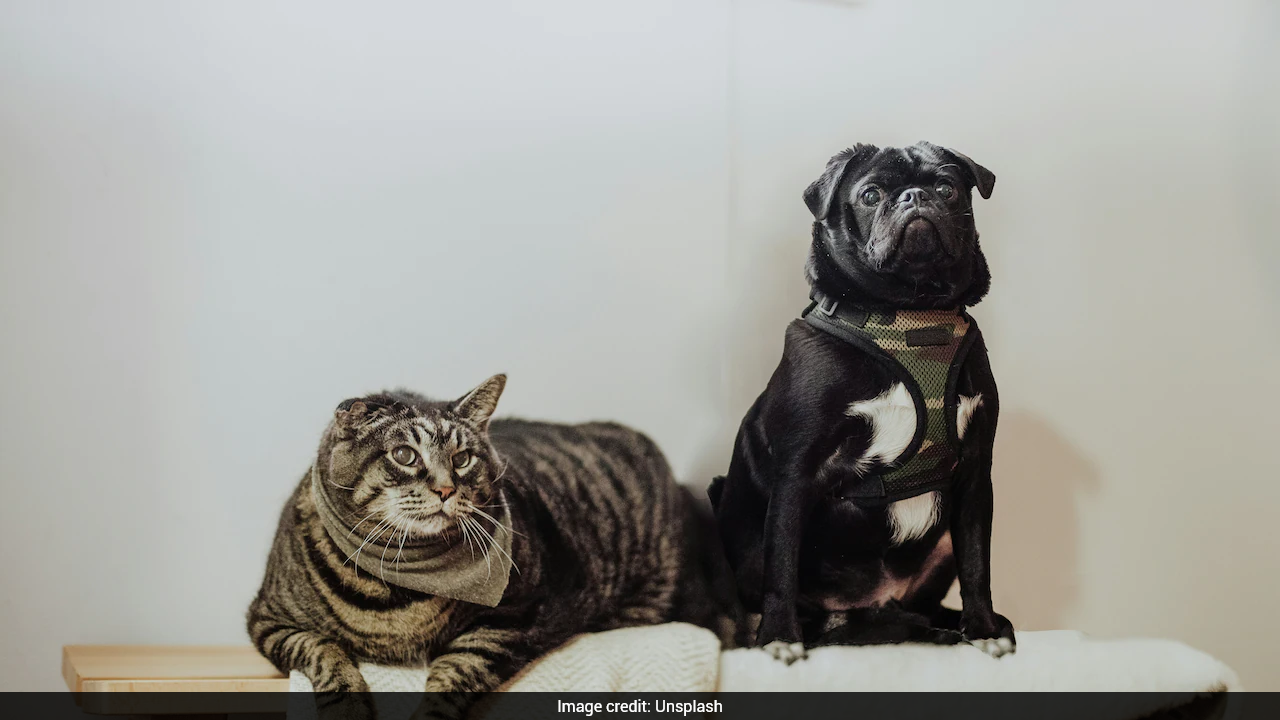
The same GLP-1 drugs helping millions of people across the world to lose weight could soon be available for chubby cats and dogs, CNBC News reported, adding that veterinarians and biotech firms have been testing implants and injections designed to tackle pet obesity.
Why pets need help
A majority of cats and dogs in the US are overweight. The Association for Pet Obesity Prevention found that around 61% of cats and 59% of dogs evaluated by veterinary professionals in 2022 were classified as obese.
-

-
 World-Class Chefs, Food And Music: The Fun Side Of NDTV World Summit 2026
 -
 AI, Consciousness And Dharma: Why Ancient Indian Wisdom Matters Now
 -
 NDTV World Summit: What To Expect From PM Modi's Keynote Address
 -
 NDTV World Summit 2026: What To Watch Out For | PM Modi, Jaishankar, AI And Global Power Shifts
 -
 A World Between Orders: What To Expect At NDTV World Summit 2026
 -
 Who Is Rajiv Mehta? Lilavati Hospital Trustee To Speak At NDTV World Summit 2026
 -
 Alain Ebobisse, Africa50 CEO, To Attend NDTV World Summit 2026. All About Him
 -
 Kriti Sanon At NDTV World Summit: A Look At Her Career And Business Ventures
 -
 Ex-CIA Director To Decode 'War In Times Of AI' At NDTV World Summit
 -
 Who Is Vikram Rai, CEO, South Asia GE Aerospace, Set To Attend The NDTV World Summit 2026
Excess weight raises a pet's risk of diabetes, arthritis, heart disease, urinary problems, and shorter lifespans. Cats especially struggle, as neutered ones have lower metabolic rates and roam less, and "free feeding" makes portion control hard.
Also read | Rs 5 Lakh Silver Lota Accidentally Discarded, Indore Civic Workers Search Through Tonnes Of Garbage
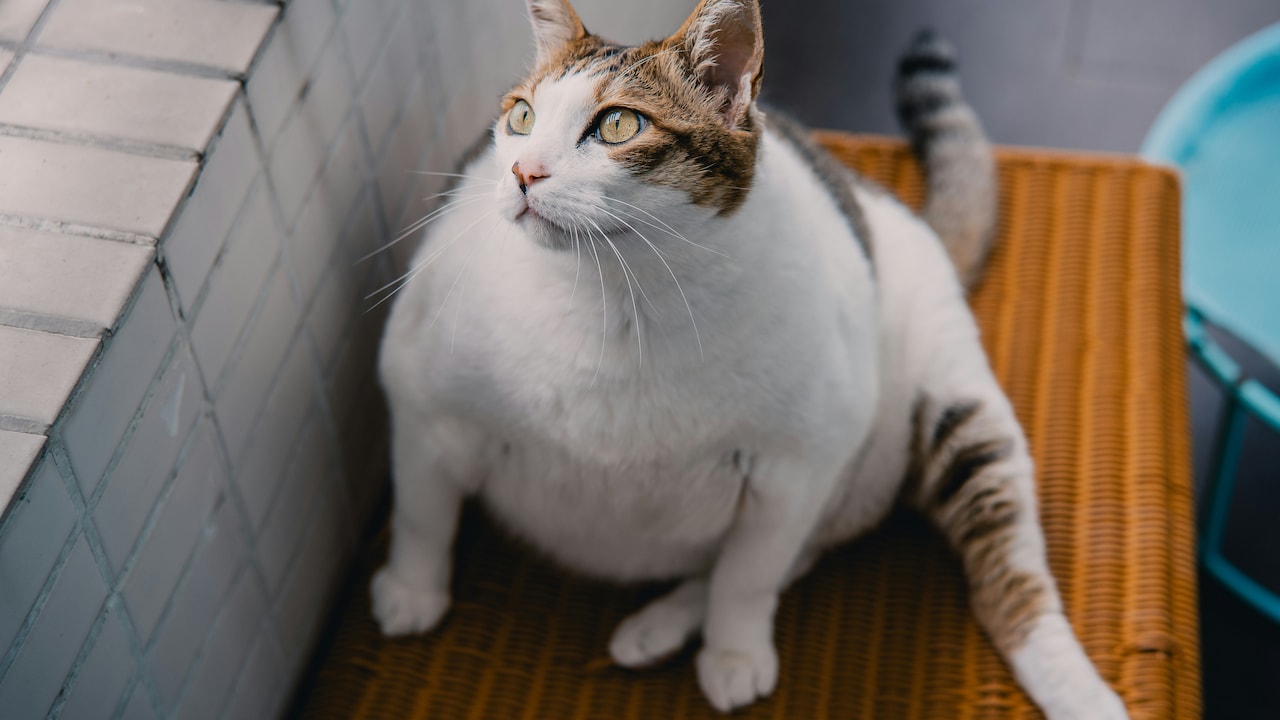
Photo Credit: Unsplash
The new 'Ozempic for cats'
As per the report, San Francisco-based OKAVA Pharmaceuticals has started testing a long-acting implant, which is designed to deliver the medicine continuously for up to six months.
Notably, the product, which is currently in early-stage clinical trials, is not approved yet, and the company will have to prove that it is completely safe.
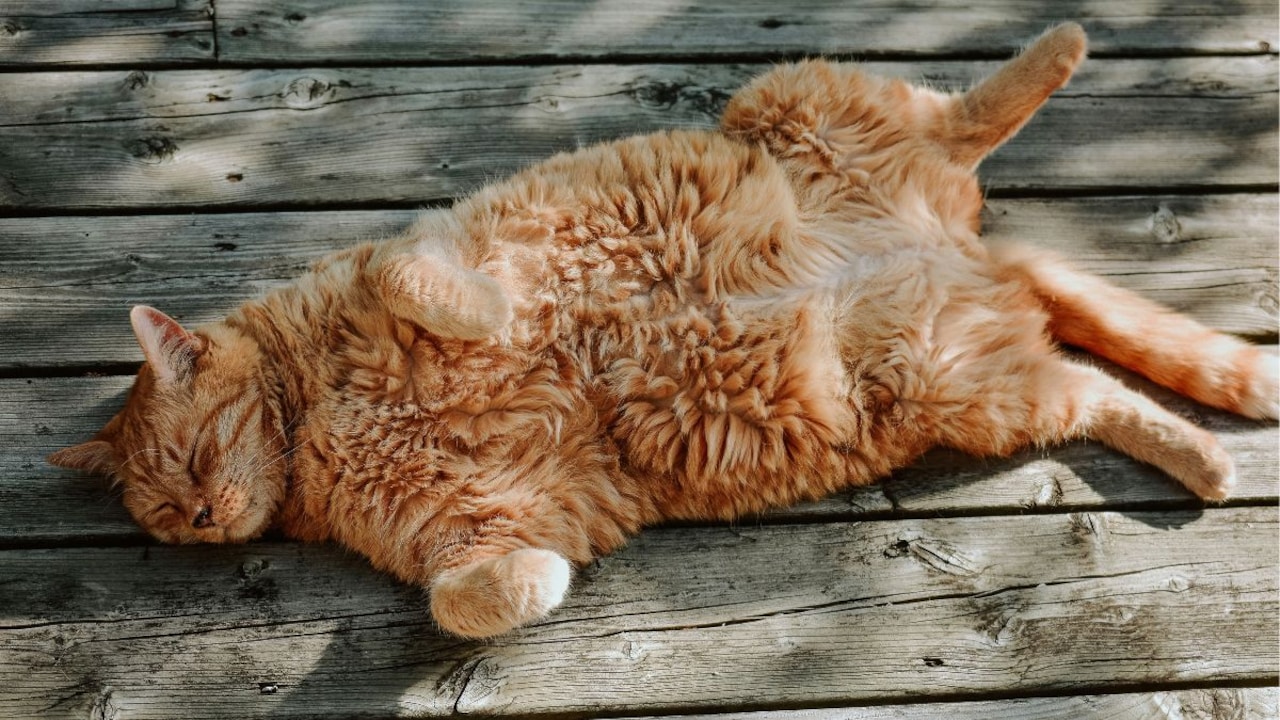
Photo Credit: Unsplash
The trial aimed at testing OKV-119, a GLP-1 receptor implant for overweight cats. The implant, slightly larger than a microchip, sits under the skin and releases medication slowly for six months. That avoids daily pills or weekly shots.
OKV-119 mimics natural hormones that control appetite and blood sugar, similar to Ozempic and Wegovy in humans. Okava CEO Michael Klotsman says it's designed to replicate the effects of fasting, improved insulin sensitivity, reduced fat mass, and better energy metabolism, without changing feeding routines.
Akston Biosciences is also sponsoring a Cornell University clinical study of a once-weekly GLP-1 therapy for overweight and obese cats. "Feline obesity is one of the most common yet least effectively treated health issues in veterinary medicine," Akston CEO Todd Zion said as quoted in the report. His remarks came in November when the company announced the MEOW-1 clinical trial for GLP-1 for pets.
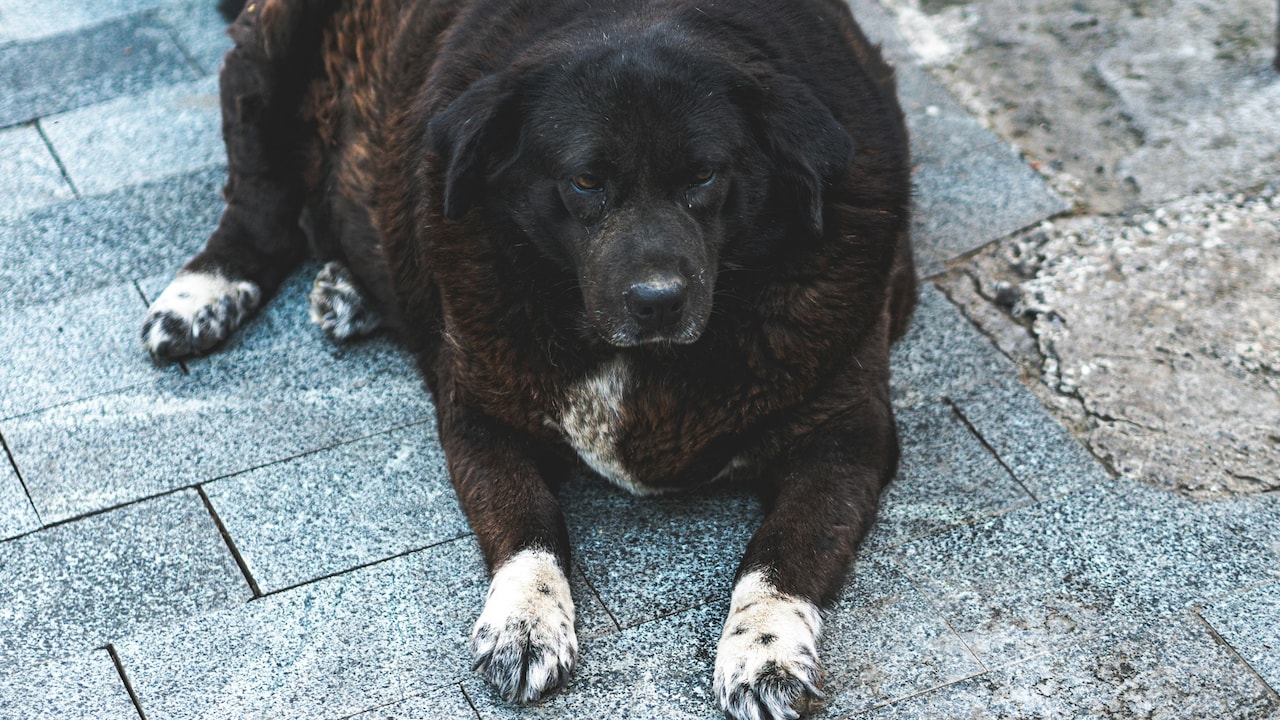
Photo Credit: Image credit: Unsplash
Also read | Watch: Man Gives His Raincoat To Family With Baby During Downpour, Wins Hearts Online
What about dogs?
Biotech firm Vivani Medical is partnering with OKAVA to develop OKV-119 for dogs. Like the feline version, it would be a tiny implant delivering medication for up to six months. Breeds like pugs, beagles, and labradors are genetically prone to overeating.
"Caloric restriction, or fasting, is one of the most well-established interventions for extending the lifespan and improving metabolic health in dogs," said Klotsman.
"But it is also one of the hardest to maintain. OKV-119 mimics many of the physiological effects of fasting - improved insulin sensitivity, reduced fat mass and more efficient energy metabolism - without requiring significant changes in feeding routines or disrupting the human-animal bond that often centers around food."
Track Latest News Live on NDTV.com and get news updates from India and around the world

