





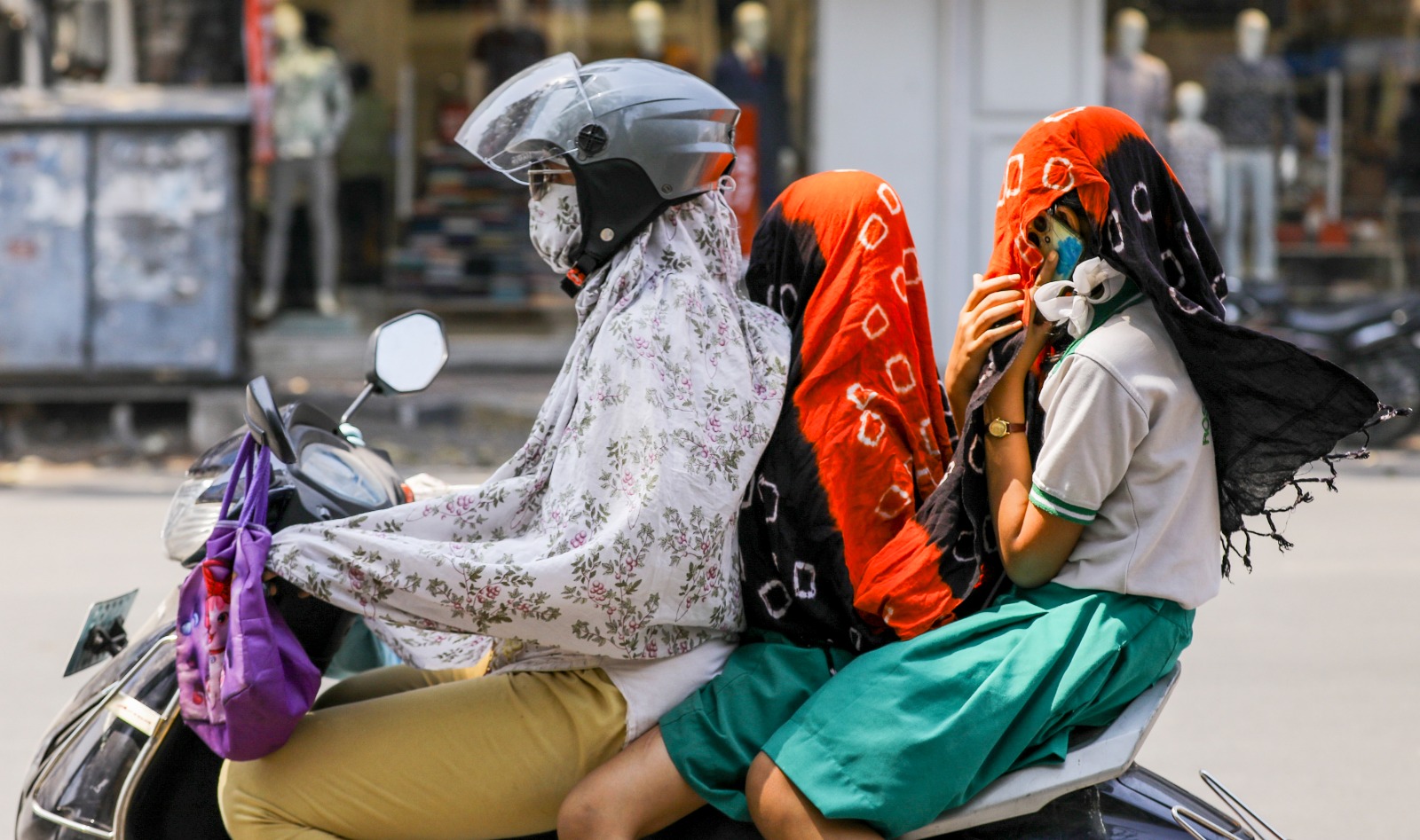
India's heatwaves are showing signs of changing compared with patterns seen a decade ago. Recent weather observations by India Meteorological Department (IMD) suggest that extreme heat is arriving earlier in the year, lasting longer in some regions and affecting a wider geographical area. The changes are tied to long-term warming trends as well as changing weather systems. Together, these factors are altering how heatwaves develop across the country.
Here are five patterns emerging from recent weather observations and climate data.
1. Heatwaves Are Arriving Earlier
One noticeable shift is the timing of extreme heat. Traditionally, heatwaves in India peaked during late April and May. In recent years, however, some regions have experienced unusually high temperatures earlier in the season.
In 2026, parts of western India recorded temperatures close to 40 degrees Celsius as early as late February and early March. Weather agencies have also indicated the possibility of heatwave conditions developing earlier than usual in several states.
An earlier start to the season could mean a longer period of high temperatures in some regions.
Also Read | Heatwave Health Risks: 8 Mistakes That Can Make Things Worse
2. Nights Are Becoming Warmer
Another pattern being observed is a gradual rise in night-time temperatures. Earlier, temperatures would drop significantly after sunset, offering some relief after hot days. But long-term climate data show that minimum temperatures across India have been increasing steadily.
Warmer nights can prolong heat stress because the body gets less time to cool down after daytime heat.
3. Coastal Regions Are Experiencing More Humid Heat
Heatwaves have traditionally been associated with dry inland regions. But meteorologists are increasingly observing periods of high temperature combined with high humidity in coastal areas.
Cities along India's western coast, including Mumbai, are already experiencing such conditions this year. When humidity levels are high, heat tends to feel more intense because the body's cooling mechanism through sweating becomes less effective.
Researchers say rising sea temperatures and higher atmospheric moisture may play a role in these conditions.
4. Heatwaves Affecting More Regions
Extreme heat has historically been most common in north-western and central India, particularly in Rajasthan, Delhi and parts of Madhya Pradesh. However, recent observations suggest that high-temperature events are appearing in areas that previously experienced them less frequently. Some hill states, for instance, have recorded unusually warm conditions earlier than expected.
This could mean regions that are less accustomed to extreme heat may increasingly need to prepare for such conditions.
5. Heatwaves Lasting Longer
Another trend being tracked is the duration of heatwave conditions. India has recorded a rising number of heatwave days in recent years. In 2024, for example, there were 554 heatwave days recorded across the country, compared with 230 in 2023.
Scientists say several factors - including warming temperatures, soil moisture loss and atmospheric circulation patterns - can contribute to prolonged heat episodes.
What This Means
Researchers say India has been experiencing a steady rise in average temperatures over the past decade. As a result, extreme heat events may become more frequent in some regions.
This has prompted discussions around strengthening heat-action plans, improving urban cooling measures and expanding public awareness about heat safety.
Here are some frequently asked questions (FAQs)
What is a heatwave?
A heatwave is a period of unusually high temperatures compared to what is normally expected in a region.
What is the criterion for declaring a heatwave in India?
A heatwave is declared when temperatures reach 40 degrees Celsius or more in plains and 30 degrees Celsius or more in hilly regions under specific conditions.
Why are heatwaves increasing in India?
Scientists link the rise in heatwaves to climate change, urban heat effects and changing weather patterns.
How can people stay safe during a heatwave?
Health authorities advise staying hydrated, avoiding peak afternoon heat and following official heat advisories.
Track Latest News Live on NDTV.com and get news updates from India and around the world

