





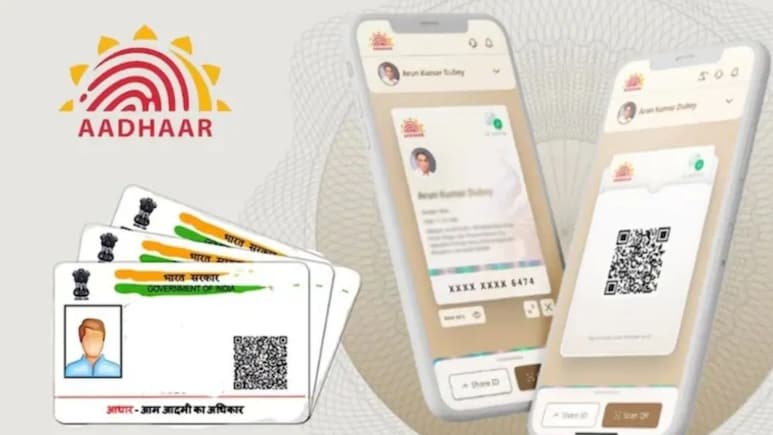
- Aadhaar number alone cannot be used to withdraw money from linked bank accounts
- Withdrawals require fingerprint, iris scan, or OTP linked to Aadhaar registered mobile
- AePS fraud occurs when Aadhaar number and copied biometrics are used together
Aadhaar Card Fraud: The Aadhaar card is one of the most important biometric-based identities for residents of India, especially in a digital age. It provides a unique and easily verifiable 12-digit number that links demographic information with fingerprints, iris scans and photos. Although the Aadhaar card makes the verification process easier, fraudsters may use it for various scams. People often ask whether it is possible for a scammer to withdraw money from someone's bank account just by using their Aadhaar number.
To clarify this, the Unique Identification Authority of India (UIDAI) has said, "Just by knowing your Aadhaar number or Aadhaar linked bank account, no one can withdraw money from Aadhaar linked bank account."
"As in bank for withdrawing money, your signature, debit card, PIN, OTP, etc, is required, similarly for withdrawing money from your Aadhaar-linked bank account through Aadhaar, your fingerprint, IRIS or OTP sent to your Aadhaar registered mobile will be required."
UIDAI adds that no Aadhaar holder has suffered financial loss "on account of any said misuse or attempted impersonation of Aadhaar" where only the number was compromised.
Also read | Applying For Aadhaar Card For Newborn Babies: A Step-By-Step Guide
What Is An AePS Scam?
However, citizens must be careful with related scams because when that number is combined with copied biometrics, especially fingerprints, fraudsters might drain bank accounts through the Aadhaar Enabled Payment System (AePS).
The danger starts when fraudsters get both your Aadhaar number and your biometric data, usually fingerprints. This is called AePS fraud.
How Does It Work?
1. Steal the data: Scammers use various tricks to copy fingerprints, like from property registration documents at sub-registrar offices, where people's full prints are stored.
2. Use AePS: With the Aadhaar number and cloned fingerprint on silicone or gel, they authenticate on micro-ATM devices or banking correspondents. AePS was designed to help rural users withdraw cash without debit cards.
3. Drain the account: The transaction goes through as if you provided your biometrics. No OTP is sent to your phone.
Also read | Man Slams Rs 50,000 Rent For 1-Bedroom Flat In Gurugram, Calls Out Branding Mediocrity As "Luxury"
How To Keep Your Aadhaar Card Safe?
Never share OTPs, PINs, or CVVs: Banks, UIDAI, or government agencies will never call to ask for OTPs. If someone calls saying your account will be blocked unless you share an OTP for "Aadhaar linking," hang up.
Monitor bank SMS alerts: AePS withdrawals trigger SMS if your number is linked. If you see a debit you didn't make, contact the bank immediately.
Be careful with property documents: Since many AePS frauds start with fingerprints lifted from land registry papers, avoid giving unnecessary photocopies. If you must, mask the Aadhaar number and ask if biometrics can be excluded.
Lock your biometrics
UIDAI offers biometric locking. Once locked, no one can use your fingerprints or iris for authentication, including AePS withdrawals, until you unlock it.
To lock online:
1. Go to http://uidai.gov.in - My Aadhaar - Aadhaar services - Aadhaar lock/unlock. You can also use the m-Aadhaar app.
2. Enter Aadhaar ID and CAPTCHA, and send OTP
3. Enter OTP, then click on 'Enable'.
Track Latest News Live on NDTV.com and get news updates from India and around the world

