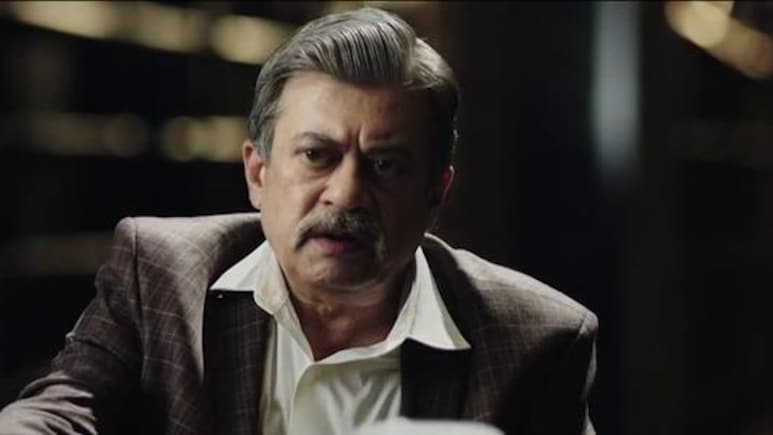
Last evening, the Press Information Bureau announced that veteran actor Anant Nag has been named the recipient of the prestigious Dadasaheb Phalke Award 2024 for his contribution to Indian cinema.
It is indeed a momentous occasion for an artist who is one of the most respected names in Kannada cinema, and has worked in over 300 films, including over 250 Kannada films.. His body of work also includes films in Hindi, Telugu, Tamil, Marathi, Malayalam and English.
But beyond the creative success that he conjured for himself and earned the title of being one of the most revered cinematic legends ever, he had a string of failed academic pursuits and personal downfalls that had led him to try his luck with the Indian Armed Forces.
Early Life To Military Calling
Anant Nag grew up across multiple ashrams and schools. When he moved to Mumbai in the 9th standard, the sudden transition from a Kannada to an English‑medium school caused a lot of academic struggles. The language and curriculum barriers were a constant obstacle which eventually led him to fail his 10th exam. So frustrating was the experience that he felt like a failure and wanted to give up on mainstream life and completely move to an ashram. It also shattered his parents' dream of him becoming an engineer or a doctor.
Then came the call of patriotism. Between 1962 and 1965, Anant Nag was deeply impacted by the 1962 Sino‑Indian War and the 1965 Indo‑Pakistani War. There was also the lingering feeling of academic rejection that made him want to find a more structured way forward, and the military forces deeply inspired him.
He was active in the Auxiliary Cadet Corps (ACC) and the National Cadet Corps (NCC) during his school years, which gave him the confidence to enlist in the services. But he faced rejection even there on medical grounds. The Indian Army rejected him for being underweight, whereas the Indian Air Force rejected him for poor eyesight. Once again, he was left directionless about what the future held.
And then theatre happened.
Anant Nag's Foray Into Theatre
This was a time when acting as a profession was widely looked down upon. But it was here that Anant Nag found his escape, even though at first he had reluctantly turned towards Mumbai's amateur theatre movement, where he was introduced by playwright Prabhakar Muduval.
His first stage role was as a Hindu monk in the Konkani play Chaitanya Mahaprabhu. And then there was no stopping him, as for the next five years he found himself in the theatre grind, acting in over 50 plays spanning Konkani, Kannada, Marathi and Hindi productions, and collaborating with theatre stalwarts such as Satyadev Dubey, Girish Karnad and Amol Palekar. And then came the time to shine on the silver screen.
Cinema World
In 1973, Anant Nag made his Kannada debut in Sankalpa, an opportunity that came his way when director P.V. Nanjaraja Urs noticed his work in theatre and cast him. Playwright Girish Karnad and G.V. Iyer gave him his first movie break.
That same year, he had his Hindi breakthrough when Satyadev Dubey introduced him to director Shyam Benegal, and Anant Nag was cast in the landmark film Ankur. Not only did Ankur win national acclaim, but Anant Nag became the new face of parallel cinema, solidifying his status as an eternal icon.
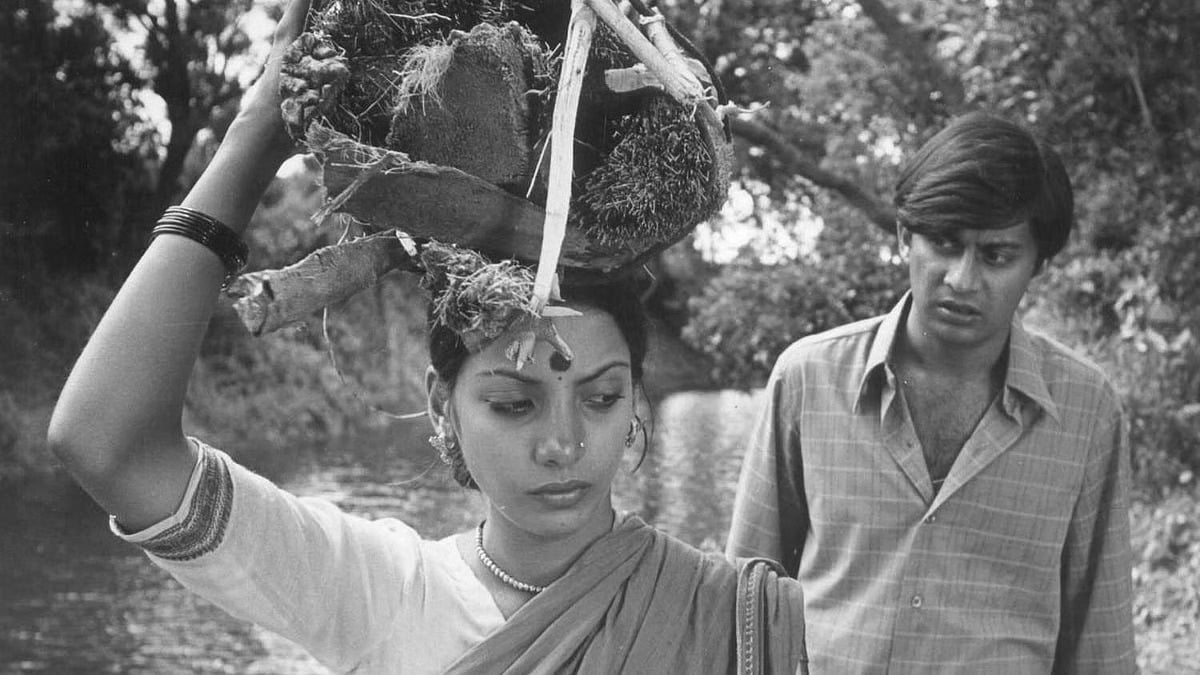
His transition to mainstream Kannada cinema and iconic television work was smooth. Some of his most memorable work includes Shyam Benegal's films such as Nishant (1975), Manthan (1976), and Bhumika (1977).
The beloved 1986 TV series Malgudi Days on Doordarshan, directed by his late brother Shankar Nag and based on R.K. Narayan's stories, was another feather in his cap.
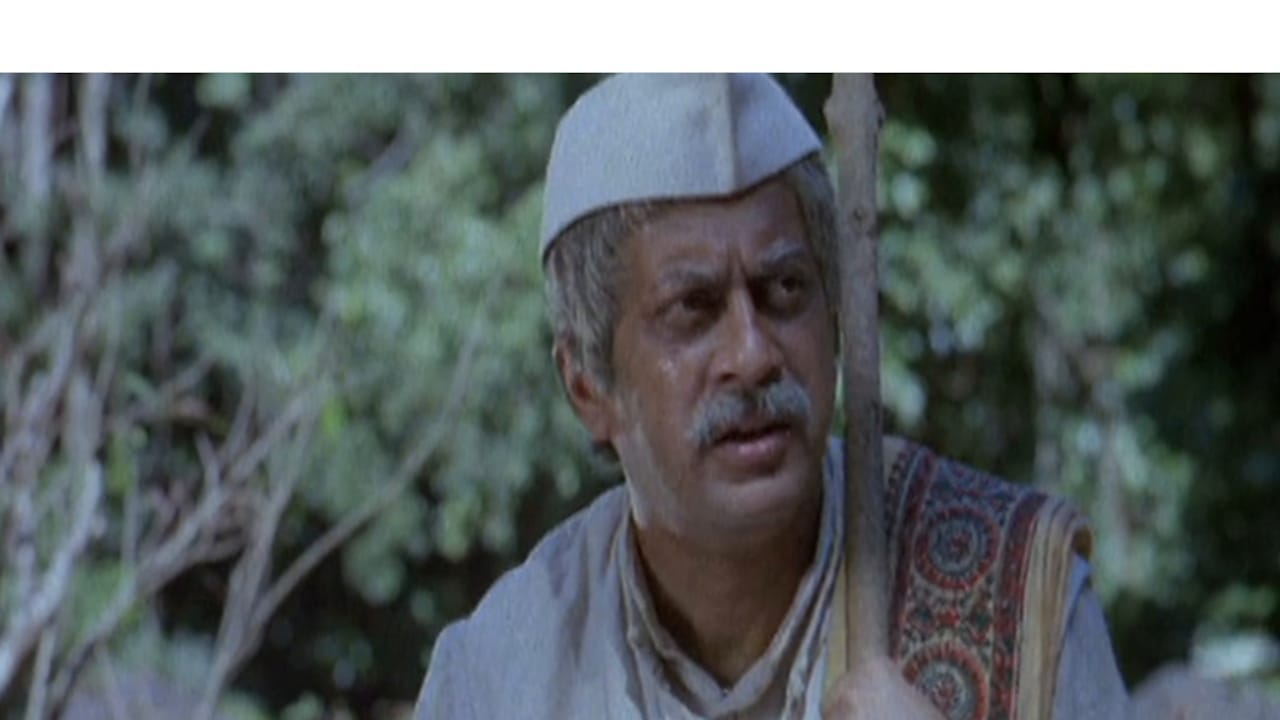
He also ventured into commercial and modern hits, ranging from the romance Mungaru Male (2006) to his powerful single‑take monologue in Sarkari Hiriya Prathamika Shaale Kasargodu (2019). There were comedy hits too, such as Ganeshana Maduve, Gauri Ganesha, Golmaal Radhakrishna and Maneli Ili Beedhili Huli, among others.
In the 1970s-80s, he was influenced by the JP (Jayaprakash Narayan) movement, and became a star campaigner for the Janata Party. His poltical career continued as between 1988 to 1994 - he was a nominated member of the Karnataka Legislative Council.
In 1994, he won the Karnataka Legislative Assembly election from the Malleshwaram constituency as a Janata Dal candidate. Following his election as the MLA, he was inducted into the cabinet. And then served as the Minister of State for Bangalore City (Urban) Development from 1996 to 1999.
With five decades of an illustrious career to his name, accolades were showered upon him even before the Dadasaheb Phalke recognition.
The veteran actor has received five Karnataka State Film Awards during his career. In 2025, Anant Nag was conferred the Padma Bhushan, India's third‑highest civilian award, by the Government of India. The Dadasaheb Phalke Award is regarded as India's highest honour in cinema and is presented to an individual for their outstanding contribution to the growth and development of Indian cinema.
Over the years, in retrospect, Anant Nag has often light‑heartedly joked about his military rejection, stating how if his left eye had been sharper or he had weighed a few kilograms more, life would have been different — and the world might never have witnessed the creative brilliance that Anant Nag brought to the entertainment landscape.
But all that's history, and it has indeed been quite the journey for the veteran actor.
ALSO READ | Veteran Actor Anant Nag To Receive Dadasaheb Phalke Award On September 22
