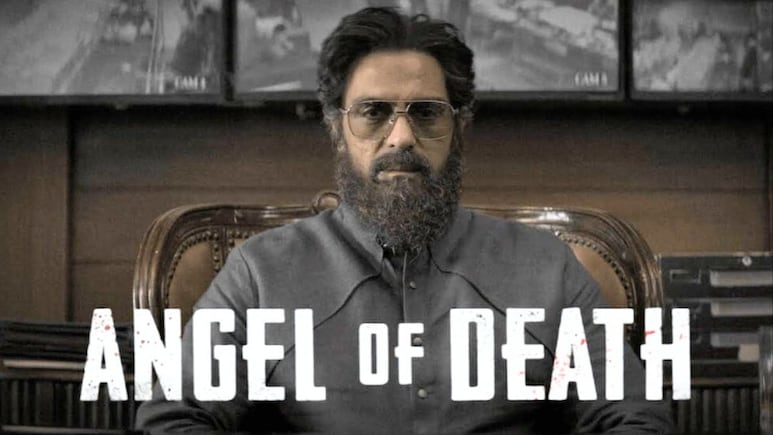
- Major Iqbal in Dhurandhar 2 is a calm, calculating ISI officer portrayed by Arjun Rampal
- His character is known as the Angel of Death, embodying inevitability and deliberate violence
- The Angel of Death concept has roots in religion, history, and criminology, including Azrael and Mengele
In Dhurandhar 2, Arjun Rampal's Major Iqbal enters the frame with a chilling stillness. He is not the kind of antagonist who needs to shout to establish dominance. Instead, he watches, calculates, and then acts with precision.
As a high-ranking ISI officer, his presence is defined by an unsettling calm that makes every act of violence feel deliberate rather than impulsive.
Visually too, the character leans into menace. The thick beard, dark glasses, and composed body language create an almost impenetrable exterior. But it is not just the look. It is the emotional detachment with which he operates, as if death is not an outcome, but a process he administers. That is precisely what earns him the title: the Angel of Death.
The Making Of A Terrifying Persona
The first glimpse of this persona, introduced by Aditya Dhar, framed Major Iqbal as more than just a villain. He is positioned as a force, someone who does not merely oppose the protagonist but embodies a darker philosophy altogether.
Unlike conventional antagonists, Iqbal's brutality is not chaotic. It is measured. This shifts him from being just a violent man to someone who resembles an executor of fate. In cinematic language, that is where the "Angel of Death" imagery begins to take shape.
What Does The "Angel Of Death" Really Mean
(Spoilers Ahead)
The phrase itself carries a long and layered history, stretching across religion, folklore, criminology, and modern history.
In Islamic belief, the Angel of Death is often identified as Azrael, a divine being tasked with separating the soul from the body at the moment of death. Here, death is duty. The angel does not choose who dies. He merely carries out a higher command, making him a figure of inevitability rather than evil.
To the righteous, it is said, the angel of death arrives in a gentle, comforting guise, like a companion there to ease one's journey into the next life.
But for those who have sinned, the angel appears as a fearsome monster, a demonic figure sent to execute divine punishment and drag their souls into eternal torment.
In Jewish tradition, the Malakh ha-Mavet plays a similar role. He is not a villain but a messenger, sometimes depicted as terrifying, yet ultimately functioning within a divine order.
However, the phrase takes a far darker turn in modern history (and where we think Major Iqbal's character takes inspiration), most notoriously with Josef Mengele, the Auschwitz doctor who came to be known as the "Angel of Death".
Mengele's crimes were not just about killing. They were about control, experimentation, and the terrifying normalisation of cruelty. He stood at the selection ramps, deciding who would live and who would die, often with a casual gesture. Beyond that, he conducted brutal, pseudo-scientific experiments on prisoners, especially twins, without anaesthesia, reducing human lives to subjects.
What made the title so haunting in his case was not just the scale of death, but the manner of it. The calmness. The clinical detachment.
Remember when Major Iqbal performed the gruesome murder of an Indian agent (nailing him with tiny needles all over his body and then snatching them out) while calmly narrating a tale from 1971, when he was just 6 years old? Sounds similar?
When Angel Of Death's Kill Becomes Personal
Beyond religion and history, the phrase also carries an intensely emotional meaning. In storytelling and real life, someone may be called an "Angel of Death" when they become the direct cause of a loved one's loss.
The Criminology Angle: Killers Who Play God
In criminology, the term takes yet another form. "Angel of Death" is often used for caregivers, doctors, or nurses who murder those under their care. These individuals operate in positions of trust, which makes their crimes particularly disturbing.
In Major Iqbal's case, he was the caregiver of his dad, Brigadier Jahangir, whom he ended up killing with his bare hands.
Angle of Death often justifies their actions as mercy killings, claiming to relieve suffering. But deeper analysis of witen reveals motives rooted in control, power, or a distorted desire to play saviour. Some even create medical crises just to step in and appear heroic.
How All Meanings Converge In Major Iqbal
What makes Arjun Rampal's "Angel of Death" in Dhurandhar 2 compelling is how it borrows from all these interpretations without being confined to any one of them (peak detailing, right?).
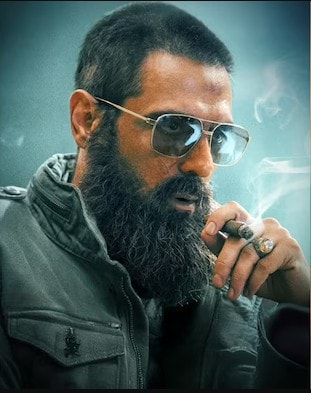
Angle of Death often justifies their actions. Photo: Jio Studios
From the religious lens, he mirrors the inevitability of death, calm and unquestioning in execution. From the historical lens, particularly the shadow of Josef Mengele, he reflects the horror of a man who treats human lives as expendable, often subjecting them to brutality that goes beyond mere killing.
From the emotional lens, he becomes the figure responsible for deeply personal loss. And from the criminological angle, he embodies the archetype of someone who operates with authority and control, deciding fates and even killing his own father, as if it were his right.
