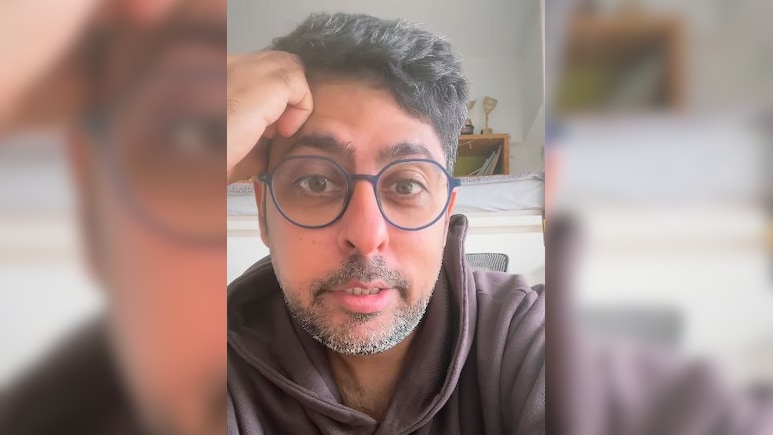
Twelve years after its original release, Aanand L Rai's Raanjhanaa is returning to theatres in Tamil Nadu as Ambikapathy on August 1, 2025. But instead of celebration, the re-release has stirred a major controversy. One that involves Artificial Intelligence, a happy ending, and what writer-lyricist Varun Grover calls a dystopian experiment wrapped in comedy.
According to promotional posters, the re-release features an "AI-powered" new ending where Dhanush's character doesn't die marking a significant departure from the tragic climax that originally defined the film's emotional punch. While fans are baffled, Raanjhanaa's director Aanand L Rai is deeply disappointed.
-

-
 "Keep Learning New Skills": Andrew Ng On 'AI Jobapocalypse' Fear
-
 Nikhil Kamath Recalls Satya Nadella's Remark: 'I Don't Touch An Indian Product' In The US
-
 NDTV World Summit 2026: What Nikhil Kamath Said On Inheritance Tax
-
 Mohini Dey Says She Carries Her Roots Wherever She Goes: 'I Am A Bengali Girl'
-
 Nikhil Kamath Shows 'Delay Gratification' Tattoo, Reveals Mantra Behind It
-
 Mohini Dey On Music, Family, Losing Her Father & Being Born In India | NDTV World Summit
-
 NDTV World Summit 2026: What Nikhil Kamath Said On Inheritance Tax
-
 Nikhil Kamath Warns 2027 Could Be Tough For Startups Amid AI Bubble Fears
-
 Not Another News Platform: What Nikhil Kamath Wants To Build Next
-
 Nikhil Kamath Tells NDTV One Thing India Can Learn From China At NDTV World Summit
In an exclusive conversation with NDTV, Rai said, "Raanjhanaa didn't need a new climax. It had heart and honesty... To see its ending altered without a word of discussion is a gross violation not just of the film, but of the trust of the fans who've carried the film in their hearts for 12 years." He raised serious concerns about the ethical, legal, and creative implications of using AI to manipulate films and performances without the consent of creators or actors.
Amid this heated debate, writer and Masaan co-creator Varun Grover weighed in with his signature sarcasm through a reel that is quickly gaining traction online.
In the video, Grover narrates a tongue-in-cheek anecdote about how his uncle reacted to the first screening of Masaan. "The film is good," his uncle had said, "but just change the ending and it'll be a hit." Grover humorously explains how he had to offer logistical excuses to avoid such a change-claiming they didn't have enough budget, time, or actor availability.
"But apparently," he adds with a smile, "someone else's uncle has enough to AI-edit Raanjhanaa, make it a happy ending, and re-release it. So, whoever's uncle it is, namaste to them."
While the reel is laced with wit, Grover's satire speaks directly to the unease many artists feel about the growing use of AI in storytelling. The idea that a studio can override the creative intent of a film for short-term gains is what both Grover and Rai are implicitly warning against-albeit in very different tones.
With the Ambikapathy AI-ending debate heating up and creators speaking out, this re-release may ultimately spark a broader conversation around consent, creativity, and control in the age of artificial intelligence.
