
The Delhi government has directed all schools in the capital to implement a year-long anti-pollution awareness drive, with mandatory monthly activities focused on plastic waste, air pollution, water conservation, and noise control. Officials said the aim is to turn students into active participants in addressing the city's environmental challenges.
In a circular issued by the Science Branch of the Directorate of Education, government, aided, and private schools have been directed to conduct activities throughout the 2026-27 academic session.
Schools have also been asked to adopt practical measures on campus, including waste segregation through separate wet and dry bins, integrating environmental themes into morning assemblies, and promoting anti-littering behaviour among students both within and beyond school premises.
Classrooms Turn Into Awareness Hubs
The campaign began this April with a focus on plastic pollution, with students participating in cleanliness drives, poster-making, and essay writing centred on eliminating single-use plastic.
The initiative is designed to make environmental awareness a daily habit, moving beyond one-day observances toward sustained engagement.
Month-Wise Focus On Key Pollution Issues
The action plan targets Delhi's environmental concerns throughout the year:
- April: Anti-plastic campaigns and "Say No to Plastic" drives
- May-June: Biodiversity awareness, waste management, and observance of International Day for Biological Diversity and World Environment Day (June 5)
- July: Water conservation and safe waste disposal
- August: Green initiatives and renewable energy awareness
- October: Intensified anti-air pollution campaign, including discouraging firecrackers and open burning ahead of the winter pollution peak
- Winter months: Focus on dust pollution control, including plantation and awareness drives
Campaigns addressing noise pollution will also run alongside these themes.
From Fun Activities To Behaviour Change
Students will participate in quizzes, painting competitions, workshops, nukkad nataks, and rallies, along with hands-on activities such as cleanliness drives and waste segregation.
The aim is to drive behavioural change at an early stage, with students expected to carry these lessons into their homes and communities.
Strict Monitoring Mechanism
To ensure implementation, schools have been asked to submit monthly Action Taken Reports (ATRs) with photographs to district authorities. These reports will be compiled and reviewed at the headquarters level by the Science Branch, indicating a structured monitoring framework.
Why This Matters
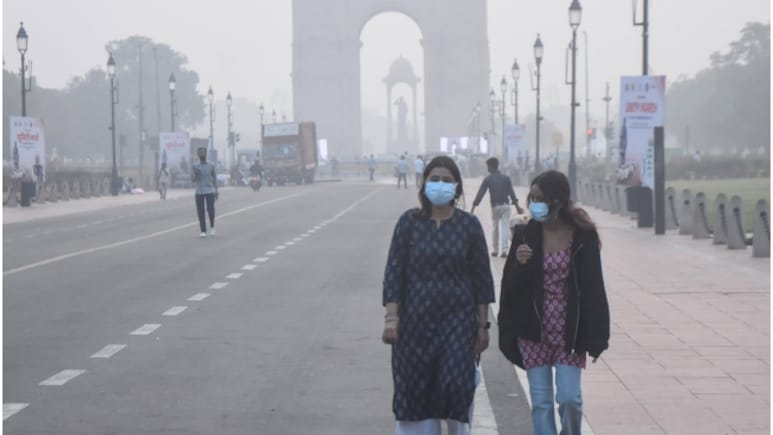
Delhi continues to face severe air pollution, rising plastic waste, and water stress. By embedding environmental awareness within schools, the government is attempting a grassroots intervention aimed at long-term impact.
The Big Picture
The move positions schools at the centre of Delhi's anti-pollution strategy, with students emerging as key drivers of long-term behavioural change.
