
A growing number of technology professionals in California's San Francisco Bay Area are choosing homeschooling over conventional classrooms, using artificial intelligence tools to personalise lessons for their children.
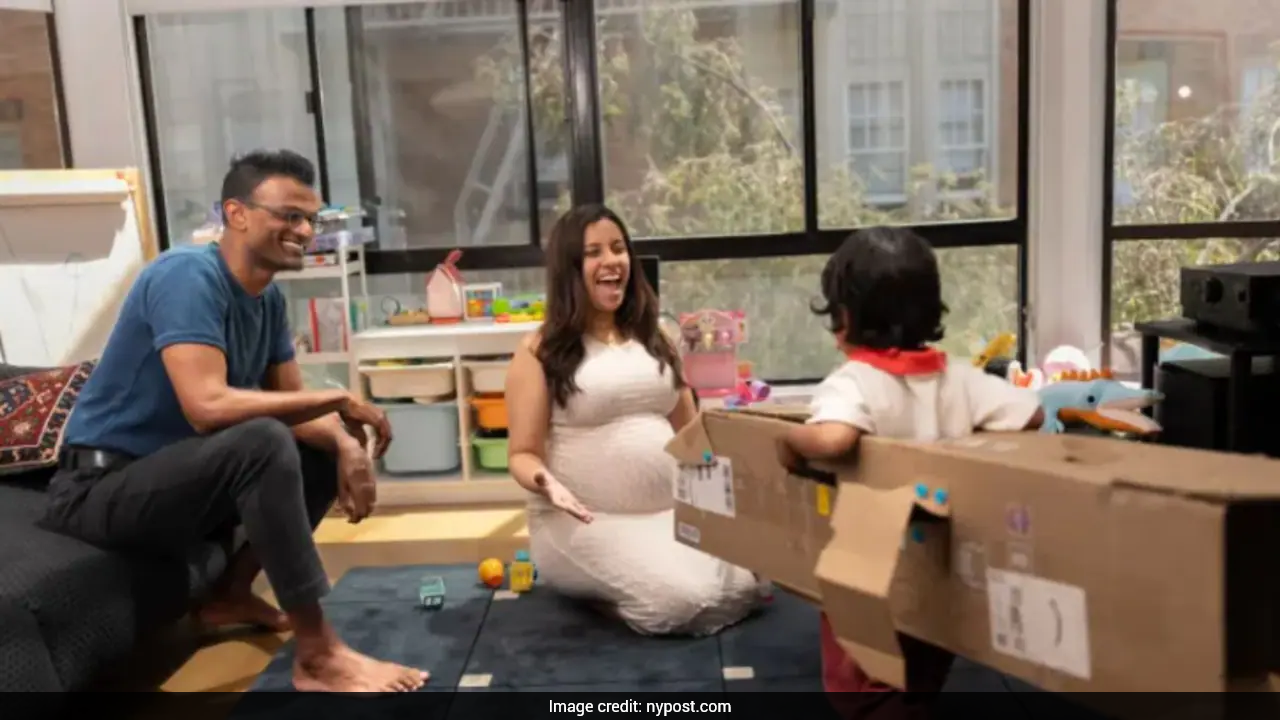
According to a report by the New York Post, Mrugesha Sathappan, a San Francisco-based mother of three, is among the parents experimenting with technology-driven homeschooling for preschool and primary school-aged children.
She said that the aim is not merely to prepare children for future employment but to help them become adaptable, kind, and capable of dealing with social and technological changes.
According to the report, her preschool-aged son generally spends around 20 minutes on phonics or mathematics each day. The rest of the learning involves projects, museum visits, trips to parks and activities with other homeschooled children.
"I just want to be able to pay as much attention as possible to what my kids are learning, what are the values they are learning - whether that is, being adaptable, being kind, being useful," Sathappan said.
Sathappan and her husband, investor Kartik Sathappan, also use AI tools to create customised phonics and STEM games. Their children's interests are used to shape lessons and activities. For instance, an interest in rockets led the family to buy a rocket-building kit.
The couple has also started a meetup group for families that are delaying or avoiding traditional schooling.
Supporters of AI-assisted homeschooling argued that conventional schools often focus on repetitive tasks, fixed schedules and classroom discipline rather than practical problem-solving.
Brady Neal, an AI researcher and San Francisco-based homeschooling parent, said some families felt that schools did not make the best use of children's time. "Schools can be disrespectful of kids' time, and (parents) want their time to be used widely," the researcher said.
According to the report, the trend reflects a broader rise in homeschooling in the United States, particularly among affluent families who believe traditional schools do not provide enough flexibility, creativity or individual attention.
Homeschooling consultant Jamie Heston said she had received an increasing number of enquiries from wealthy families who were dissatisfied with private schools charging more than $30,000 (Rs 28,76,665) a year.
According to data cited by the education reform organisation EdChoice, the share of American children being homeschooled increased from around 3% in 2019 to more than 6% in recent years. California public-school enrolment also declined by about 612,000 between 2015 and 2025, while charter schools and microschools became more popular.
Heston said that homeschooling can help some children develop creativity, critical-thinking skills, and better organisational abilities. She also said that parents were drawn to the model because it allowed them to respond quickly to a child's changing needs and avoid concerns such as bullying and exposure to drugs.
The families featured in the report do not describe themselves as completely opposed to schools. The Sathappans said that they may consider alternatives such as Alpha School, a private and charter-school network that combines AI-based learning with practical workshops.
However, they believe children should have more control over their education. Mrugesha Sathappan said that she would consider their approach successful if her son eventually chose to attend school for reasons of his own.
